










































Best End Mill Practices for Smooth and Accurate Cutting
Learn the best end mill practices for smooth and accurate CNC cutting. Improve tool life, surface finish, and machining efficiency with expert tips.

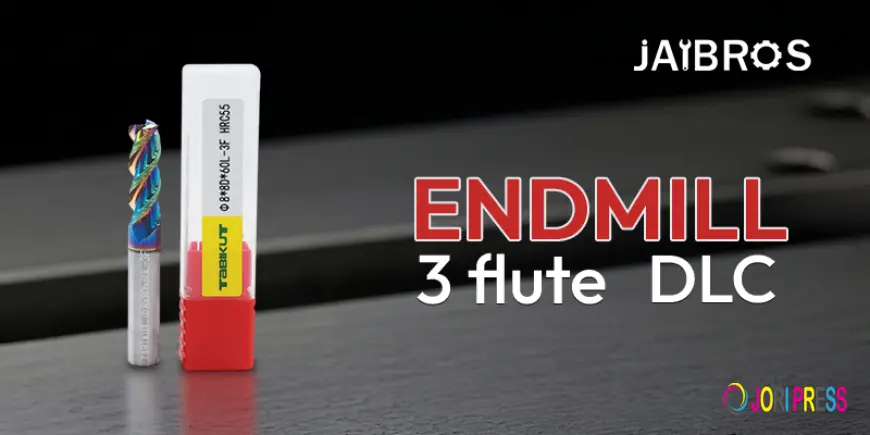
Best End Mill Practices for Smooth & Accurate CNC Cutting
In modern CNC machining, achieving smooth finishes and precise cuts depends heavily on tooling practices. Whether you are working on aerospace parts, automotive components, or precision moulds, choosing the right cutting strategy can directly impact productivity and tool life. One of the most important tools in machining operations is the end mill, used for milling, slotting, contouring, and finishing applications.
Many manufacturers invest in high-quality tools but still struggle with poor surface finish, vibration, or premature wear because they overlook proper machining practices. By understanding cutting parameters, tool selection, and maintenance techniques, machinists can significantly improve performance and accuracy.
Understanding the Importance of Proper Milling Practices
Precision machining is not only about using advanced CNC machines. The cutting process also depends on factors such as spindle speed, feed rate, tool geometry, coolant usage, and material compatibility. Even the best cutting tool can fail if used incorrectly.
Proper machining practices help:
-
Reduce vibration and chatter
-
Improve surface finish
-
Extend tool lifespan
-
Maintain dimensional accuracy
-
Increase production efficiency
-
Lower tooling costs
When machining operations are optimised correctly, manufacturers can produce high-quality parts consistently while reducing downtime.
Choose the Right Tool Material
One of the first steps toward better machining performance is selecting the right tool material. Different materials behave differently depending on the workpiece and cutting conditions.
Carbide Tools for Better Performance
Today, many industries prefer carbide endmills because they offer excellent hardness, wear resistance, and heat tolerance. Carbide tools can handle high-speed machining more effectively than traditional high-speed steel tools.
These tools are especially useful for machining:
-
Stainless steel
-
Titanium
-
Hardened steel
-
Aluminum alloys
-
Composite materials
Carbide tools maintain sharp cutting edges for longer periods, resulting in smoother cuts and better dimensional consistency.
Select the Correct Tool Geometry
Tool geometry plays a major role in determining cutting quality. Flute count, helix angle, and cutting-edge design should match the machining operation.
Common Types of Milling Tools
Understanding different types of endmills helps operators choose the right tool for each task.
Square End Mills
These are commonly used for general milling operations and produce sharp corners.
Ball Nose End Mills
Ideal for contouring and 3D surface machining where smooth finishes are required.
Corner Radius End Mills
These tools improve strength and reduce edge chipping during heavy operations.
Roughing End Mills
Designed for aggressive material removal with reduced cutting forces.
Choosing the proper geometry improves chip evacuation and reduces tool stress during machining.
Optimize Cutting Speeds and Feed Rates
Incorrect cutting parameters are one of the biggest causes of poor machining quality. Excessive spindle speed may create heat buildup, while low feed rates can lead to rubbing instead of cutting.
To achieve smoother cutting:
-
Follow manufacturer recommendations
-
Adjust feed rate according to material hardness
-
Use consistent chip load values
-
Monitor spindle vibration during operation
Optimised cutting parameters reduce chatter and improve surface finish significantly.
Ensure Proper Tool Holding
Tool holding systems directly affect machining stability. Poor clamping can cause runout, vibration, and dimensional inaccuracies.
For better cutting performance:
-
Use high-quality collets and holders
-
Minimize tool overhang
-
Check holder cleanliness regularly
-
Replace worn holders immediately
Stable tool holding ensures consistent performance during high-speed operations and reduces the risk of tool breakage.
Use High-Quality Solid-Carbide Tools
Modern machining environments often demand higher speeds and tighter tolerances. This is why many manufacturers rely on solid carbide endmills for precision applications.
These tools provide:
-
Better rigidity
-
Improved heat resistance
-
Longer tool life
-
Superior surface finish
-
Higher machining accuracy
Solid carbide construction reduces deflection during cutting, which is especially important in precision machining and complex part production.
Control Heat During Machining
Heat management is essential for maintaining cutting accuracy and tool longevity. Excessive heat can damage both the cutting tool and the workpiece.
Effective Cooling Methods
Manufacturers commonly use:
-
Flood coolant systems
-
Air blast cooling
-
Mist cooling systems
-
Through-tool coolant delivery
Proper cooling reduces thermal expansion and helps maintain dimensional stability during long machining cycles.
Minimize Tool Deflection
Tool deflection occurs when cutting forces bend the tool slightly during operation. This can create inaccurate cuts, poor finishes, and excessive wear.
To reduce deflection:
-
Use shorter tool lengths whenever possible
-
Reduce radial engagement
-
Use proper feed rates
-
Select rigid tooling systems
Smaller tools require extra attention because they are more sensitive to vibration and cutting pressure.
Precision Cutting with Small-Diameter Tools
In industries like medical manufacturing and electronics, micro endmills are commonly used for intricate machining tasks. These tools are designed for high-precision cutting in tight spaces and delicate components.
When using micro tools:
-
Maintain stable spindle speeds
-
Use minimal runout holders
-
Avoid excessive cutting depth
-
Ensure proper chip evacuation
Precision applications demand careful programming and machine stability to prevent tool damage.
Reduce Chatter and Vibration
Chatter is one of the most common problems in milling operations. It negatively impacts surface finish and reduces tool life.
Tips to Reduce Chatter
-
Use rigid machine setups
-
Shorten tool extension length
-
Optimize spindle speed
-
Increase feed consistency
-
Use variable helix tools when needed
Modern CNC systems often include vibration monitoring features that help operators identify instability during machining.
Maintain Sharp Cutting Edges
Dull tools generate more heat and cutting resistance, leading to rough finishes and poor accuracy.
Tool maintenance practices should include:
-
Regular inspection schedules
-
Monitoring edge wear
-
Regrinding tools when possible
-
Replacing damaged tools immediately
Sharp cutting edges improve cutting efficiency and help maintain smooth machining performance.
Program Efficient Tool Paths
CAM software plays a major role in machining quality. Poor tool paths can increase cutting load and create unnecessary stress on tools.
Efficient strategies include:
-
Trochoidal milling
-
Adaptive clearing
-
Climb milling
-
Constant engagement machining
These techniques improve chip evacuation and maintain stable cutting conditions throughout the operation.
Focus on Machine Maintenance
Even high-quality tools cannot compensate for poorly maintained machines. Spindle wear, backlash, and alignment issues can affect cutting precision.
Regular machine maintenance should include:
-
Spindle inspection
-
Axis calibration
-
Lubrication checks
-
Coolant system cleaning
-
Tool holder inspection
Well-maintained equipment ensures consistent machining accuracy over long production cycles.
Importance of Material-Specific Strategies
Different materials require different machining approaches. Aluminum, steel, titanium, and composites all behave differently during cutting.
For example:
-
Aluminum requires high-speed cutting and efficient chip evacuation
-
Stainless steel generates more heat and requires stable feeds
-
Hardened materials need rigid setups and wear-resistant coatings
Understanding material behavior helps machinists optimize performance while preventing premature tool failure.
Future Trends in CNC Milling Technology
Modern machining continues to evolve with advanced coatings, AI-driven tool monitoring, and high-speed automation systems. Smart manufacturing technologies are helping operators monitor cutting conditions in real time and reduce production errors.
Future developments may include:
-
Predictive tool wear monitoring
-
Automated speed optimization
-
Advanced coating technologies
-
Hybrid machining systems
These innovations are expected to improve precision and efficiency even further.
Conclusion
Achieving smooth and accurate cutting requires more than simply selecting a cutting tool. Proper machining practices, optimised cutting parameters, machine stability, and effective maintenance all work together to deliver better results.
By choosing the correct tooling, maintaining stable cutting conditions, and following proven machining techniques, manufacturers can improve productivity while reducing operational costs. Consistency in machining practices not only enhances surface finish but also extends tool life and improves overall manufacturing quality.
At Jaibros, we provide high-quality CNC cutting solutions designed for precision machining and industrial performance. Our range of advanced tooling products helps manufacturers achieve reliable cutting accuracy, longer tool life, and efficient production across various machining applications.
FAQs
1. What are the main advantages of carbide milling tools?
Carbide tools offer higher hardness, better heat resistance, and longer tool life compared to traditional tooling materials. They are ideal for high-speed machining applications.
2. How can I reduce vibration during milling operations?
You can reduce vibration by using rigid tool holders, minimising tool overhang, optimising spindle speeds, and maintaining proper feed rates.
3. Why is coolant important in CNC machining?
Coolant helps reduce heat generation, improves tool life, maintains dimensional accuracy, and supports chip evacuation during machining.
4. Which milling tool is best for precision machining?
Tool selection depends on the application, but solid carbide tools are commonly preferred for precision operations because of their rigidity and wear resistance.
5. How often should milling tools be inspected?
Cutting tools should be inspected regularly based on production volume, material type, and machining conditions to avoid poor surface finish and unexpected tool failure.
What's Your Reaction?
 Like
0
Like
0
 Dislike
0
Dislike
0
 Love
0
Love
0
 Funny
0
Funny
0
 Angry
0
Angry
0
 Sad
0
Sad
0
 Wow
0
Wow
0