




























The Rise of Warranty Inspections in New Construction Homes
Warranty inspections are becoming increasingly important for new construction homes as buyers realize that even newly built properties can contain hidden defects. These inspections help homeowners identify issues before builder warranties expire, potentially saving thousands in future repair costs.
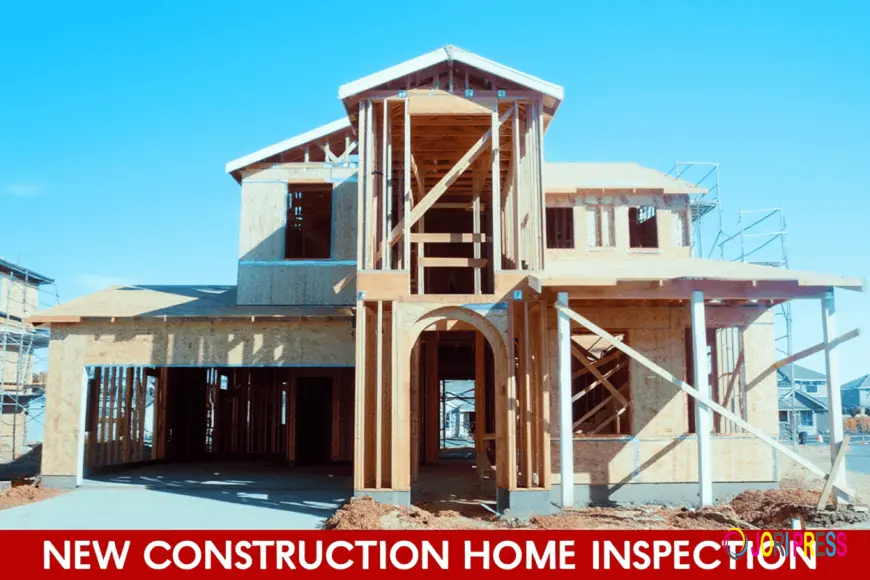
For many buyers, a newly built home represents peace of mind. Everything is modern, untouched, and built according to current standards, which naturally creates the impression that major problems are unlikely. But in recent years, that perception has started to shift as more homeowners discover defects in newly constructed properties shortly after moving in.
From roofing issues and plumbing leaks to foundation movement and incomplete installations, problems in new homes are becoming more common than many buyers expect. As housing demand continues to rise, builders in many markets are working under tighter schedules and faster construction timelines. While many builders still deliver quality work, rushed construction can sometimes allow important details to be overlooked.
This growing awareness is one of the biggest reasons why more homeowners are turning to certified home inspection services like Kingdom Inspection LLC before their builder warranty expires. Warranty inspections are quickly becoming an important step for protecting long-term property investments and identifying issues before homeowners become financially responsible for repairs.
What Is a Warranty Inspection?
A warranty inspection is a professional home inspection typically performed near the end of a builder’s warranty period, often around the 11-month mark after construction is completed.
The purpose of the inspection is to identify hidden defects, workmanship concerns, or developing issues while the builder may still be responsible for repairs. Many homeowners assume that if no obvious problems appear during the first few months, the home is in excellent condition. However, certain defects only become visible over time as the home settles and systems begin operating under regular daily use.
This type of inspection gives homeowners an opportunity to address concerns before warranty coverage expires.
Pro Tip for Homeowners
Schedule a warranty inspection at least one to two months before your builder warranty ends. This allows enough time to review findings and submit repair requests properly.
Why Warranty Inspections Are Becoming More Popular
The rapid growth of residential construction has changed how many homes are built today. In competitive housing markets, builders often work with compressed timelines to meet demand, and multiple subcontractors may complete different portions of the project simultaneously.
While this approach improves construction speed, it can also increase the chances of overlooked details or inconsistent workmanship.
In many cases, homeowners don’t notice problems immediately because new homes naturally appear clean, polished, and move-in ready. Cosmetic perfection can sometimes create a false sense of security, even when hidden concerns exist behind walls, under flooring, or within major systems.
As more homeowners share experiences involving costly repairs in newer homes, warranty inspections are becoming increasingly common across the real estate industry.
Common Issues Found During Warranty Inspections
Even well-built homes can develop problems during or after construction. A modern home contains thousands of individual components, and small installation mistakes can eventually lead to larger issues if ignored.
Frequently Discovered Concerns
|
Area |
Common Problems |
|
Roofing |
Improper flashing or missing shingles |
|
Plumbing |
Small leaks or drainage issues |
|
HVAC |
Airflow imbalance or installation defects |
|
Electrical |
Loose outlets or incomplete connections |
|
Foundation |
Minor settling cracks or drainage concerns |
|
Insulation |
Uneven attic coverage or ventilation issues |
Some of these concerns may appear minor initially, but over time they can affect energy efficiency, moisture control, structural stability, or interior comfort.
New Homes Are Not Always Defect-Free
One of the biggest misconceptions among buyers is that a brand-new home automatically guarantees perfect construction quality. In reality, newly built homes can still contain defects that may not become visible until months after occupancy.
For example, a roof leak may only appear after a severe storm, while drainage problems might not become noticeable until heavy rainfall occurs. Similarly, HVAC performance issues may only surface during extreme summer or winter temperatures.
Foundation settling is another important concern, especially in regions like Texas where expansive clay soil can shift significantly due to moisture changes. Even minor drainage issues around the home can eventually contribute to structural movement if not corrected early.
Pro Tip for Buyers
Pay attention to small warning signs like sticking doors, hairline cracks, uneven flooring, or moisture odors. These issues may seem minor but can sometimes indicate larger underlying concerns.
Why Municipal Inspections Are Not Enough
Many homeowners believe city inspections fully guarantee construction quality, but municipal inspections mainly focus on minimum code compliance. Inspectors often work under time limitations and may not evaluate every detail related to workmanship or long-term performance.
Independent warranty inspections provide a much more detailed review of the property’s condition from the homeowner’s perspective. A professional inspector evaluates systems such as:
-
roofing,
-
plumbing,
-
HVAC,
-
electrical,
-
attic ventilation,
-
drainage,
-
and structural indicators.
Some inspections may also include thermal imaging technology to detect hidden moisture or insulation deficiencies that are not visible during a normal walkthrough.
The Financial Value of Early Detection
One of the biggest advantages of a warranty inspection is the opportunity to identify issues before repair costs become the homeowner’s responsibility.
A relatively small problem today can become significantly more expensive if left unresolved for several years.
|
Issue Detected Early |
Possible Long-Term Consequence |
|
Roof leak |
Water damage and mold growth |
|
Drainage issue |
Foundation movement |
|
Plumbing leak |
Damaged flooring or drywall |
|
HVAC imbalance |
Reduced efficiency and higher utility costs |
|
Poor ventilation |
Moisture buildup and attic deterioration |
For many homeowners, the inspection cost is minor compared to the potential expense of major repairs later.
Builders Also Benefit From Organized Inspection Reports
A professional inspection report creates clear documentation for both homeowners and builders. Reports typically include photographs, detailed observations, and recommendations that help streamline repair discussions.
Most reputable builders appreciate having concerns identified early because smaller issues are usually easier and less expensive to correct before they worsen. This process often improves communication and helps prevent disputes after warranty periods end.
Final Thoughts
The growing popularity of warranty inspections reflects a major shift in how homeowners approach new construction purchases. Buyers are becoming more aware that even newly built homes can contain hidden problems that may not appear immediately after move-in.
As construction schedules continue to accelerate in many housing markets, professional inspections provide an additional layer of protection for homeowners who want greater confidence in their investment.
A warranty inspection is not about expecting failure from a new home. It is about identifying issues early, protecting long-term property value, and ensuring that small concerns do not become costly surprises after builder coverage expires.
What's Your Reaction?
 Like
0
Like
0
 Dislike
0
Dislike
0
 Love
0
Love
0
 Funny
0
Funny
0
 Angry
0
Angry
0
 Sad
0
Sad
0
 Wow
0
Wow
0