
































Headless Drupal Development: Building Future-Ready Digital Experiences
Discover how Headless Drupal development helps businesses deliver fast, scalable, and omnichannel digital experiences using modern frontend frameworks and flexible architecture.

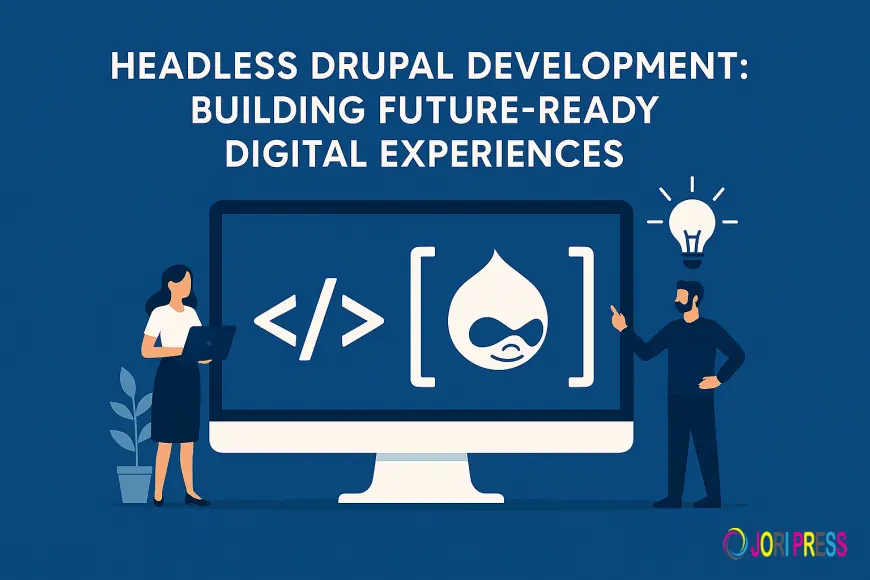
As customer expectations continue to evolve, organizations are increasingly looking for ways to deliver seamless digital experiences across websites, mobile applications, kiosks, smart devices, and emerging digital channels. Traditional content management systems often struggle to meet these omnichannel demands, leading many businesses to adopt a headless architecture. Among the available solutions, Headless Drupal has emerged as a powerful option for organizations seeking flexibility, scalability, and future-ready digital experiences.
By separating the content management backend from the frontend presentation layer, Headless Drupal enables businesses to create engaging digital experiences while maintaining complete control over content and infrastructure.
What Is Headless Drupal?
In a traditional Drupal setup, the content management system handles both content storage and content presentation. The backend and frontend are tightly connected, meaning Drupal manages how content is displayed to users.
Headless Drupal takes a different approach. It uses Drupal exclusively as a content repository and management platform while exposing content through APIs. Frontend applications built with modern frameworks such as React, Next.js, Vue.js, Angular, or mobile technologies consume this content and present it to users.
This decoupled architecture gives organizations greater flexibility in how they design and deliver digital experiences.
Why Businesses Are Choosing Headless Drupal
Organizations today must engage users across multiple channels while maintaining consistent content and branding. Headless Drupal provides several advantages that support these goals.
Omnichannel Content Delivery
Modern customers interact with brands through websites, mobile apps, customer portals, digital displays, voice assistants, and other connected platforms.
With Headless Drupal, content can be created once and delivered across multiple channels through APIs. This centralized approach improves content consistency and reduces duplication of effort.
Greater Frontend Flexibility
Traditional CMS platforms often limit frontend development choices. Headless Drupal removes these restrictions by allowing development teams to use modern JavaScript frameworks and frontend technologies.
This flexibility enables organizations to create highly customized user experiences that align with business objectives and customer expectations.
Faster Website Performance
Website speed plays a critical role in user engagement, SEO performance, and conversion rates.
By combining Drupal's powerful content management capabilities with modern frontend frameworks, businesses can deliver faster-loading websites and applications. Features such as static site generation, server-side rendering, and optimized API delivery contribute to improved performance.
Enhanced Scalability
Enterprise organizations often manage large volumes of content and significant traffic levels. Headless Drupal supports scalable architectures that can handle growing business demands without sacrificing performance.
Because the frontend and backend operate independently, each layer can scale according to specific requirements, providing greater operational efficiency.
Improved Developer Experience
Modern development teams increasingly prefer flexible technology stacks that support rapid innovation.
Headless Drupal enables developers to work with technologies they already know and trust while still benefiting from Drupal's mature content management capabilities.
Development teams can:
- Use React, Next.js, Vue.js, or Angular
- Implement modern DevOps workflows
- Build reusable frontend components
- Accelerate development cycles
- Improve maintainability and code quality
This separation of concerns often results in faster development and easier long-term maintenance.
Better Content Management for Enterprise Teams
While developers gain flexibility, content editors continue to benefit from Drupal's robust editorial features.
Drupal provides advanced capabilities including:
- Custom content types
- Editorial workflows
- Role-based permissions
- Multilingual content management
- Media management
- Content scheduling
- Revision control
Marketing and content teams can continue using familiar Drupal tools without being affected by frontend technology decisions.
Strong API Capabilities
Drupal is particularly well-suited for headless implementations because of its extensive API support.
Businesses can leverage:
- JSON
- REST APIs
- GraphQL integrations
- Custom API endpoints
These capabilities allow organizations to connect Drupal with websites, mobile applications, eCommerce platforms, customer portals, and third-party business systems.
As digital ecosystems become increasingly interconnected, strong API capabilities are essential for long-term success.
Supporting Composable Digital Experiences
Many enterprises are moving toward composable architecture, where organizations select best-of-breed technologies and integrate them into a unified ecosystem.
Headless Drupal fits naturally within this strategy by serving as a central content hub while integrating with:
- Customer Relationship Management (CRM) platforms
- Customer Data Platforms (CDPs)
- Marketing automation systems
- Analytics tools
- eCommerce solutions
- Personalization engines
This approach allows businesses to evolve their technology stack without requiring complete platform replacements.
SEO Considerations for Headless Drupal
A common concern regarding headless architecture is search engine optimization. Fortunately, modern frontend frameworks provide strong SEO support through server-side rendering and static site generation.
When properly implemented, Headless Drupal can improve SEO performance by:
- Reducing page load times
- Improving Core Web Vitals
- Supporting structured data
- Enhancing mobile experiences
- Delivering optimized content across devices
Careful planning and implementation ensure that businesses maintain strong visibility in search engines while benefiting from a modern architecture.
Is Headless Drupal Right for Your Organization?
Headless Drupal is particularly beneficial for organizations that:
- Manage content across multiple digital channels
- Require highly customized user experiences
- Operate large-scale enterprise platforms
- Need flexibility in frontend technology choices
- Plan to adopt composable architecture strategies
- Expect significant future growth
While traditional Drupal remains an excellent choice for many websites, organizations with complex digital experience requirements often find substantial value in a headless approach.
Conclusion
As digital experiences become more complex and customer expectations continue to rise, organizations need platforms that provide flexibility, scalability, and future-readiness. Headless Drupal enables businesses to separate content management from presentation, empowering teams to deliver consistent experiences across multiple channels while leveraging modern frontend technologies.
At Digital Factory 24, we help organizations design, develop, and optimize Headless Drupal solutions that support long-term digital transformation goals. From architecture planning and API development to frontend implementation and ongoing support, our Drupal experts build scalable digital experiences that are ready for the future.
What's Your Reaction?
 Like
0
Like
0
 Dislike
0
Dislike
0
 Love
0
Love
0
 Funny
0
Funny
0
 Angry
0
Angry
0
 Sad
0
Sad
0
 Wow
0
Wow
0