
































Why Regular Elevator Maintenance Helps Prevent Costly Breakdowns

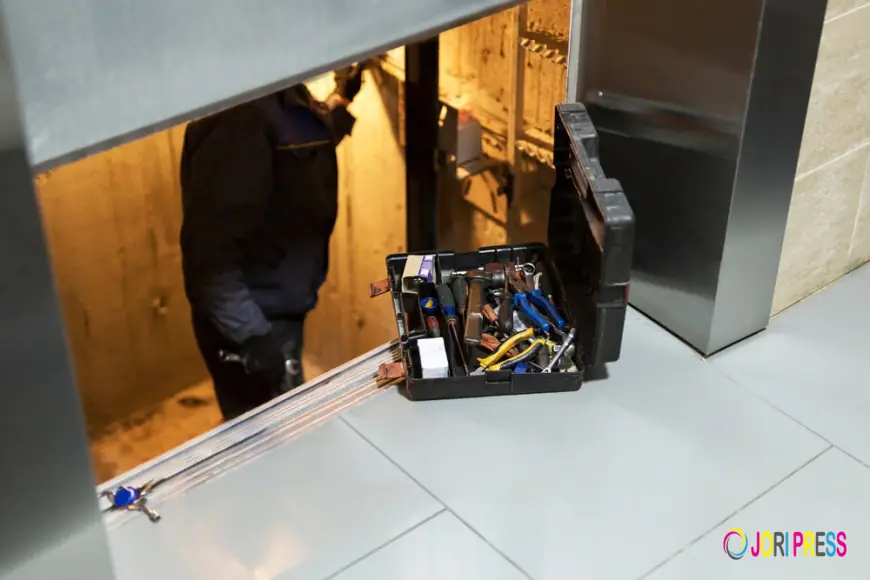
A commercial elevator is expected to work every day without interruption. Tenants use it to reach offices, customers depend on it for easy access, employees rely on it during busy hours, and service teams often need it to move equipment or supplies. When the elevator is running smoothly, it supports the entire building without drawing attention. But when it stops working, moves slowly, makes noise, or traps passengers, the problem becomes urgent very quickly.
That is why Commercial Elevator Maintenance is so important for building owners and property managers. Regular maintenance helps identify small problems before they turn into expensive breakdowns. It also supports passenger safety, improves performance, reduces downtime, and extends the useful life of the elevator system. Instead of waiting for a serious issue to happen, maintenance gives property owners a proactive way to protect one of the building’s most important systems.
Small Elevator Problems Can Become Expensive Fast
Elevator breakdowns rarely happen without warning. In many cases, small signs appear first. The doors may begin closing slowly, the ride may feel rough, the elevator may stop slightly unevenly, or unusual sounds may come from the machine room, door tracks, or moving components. These early signs may seem minor, but they can point to parts that are wearing down or systems that need adjustment.
When those small issues are ignored, they can place extra stress on other components. A simple door adjustment can become a door failure. A worn part can affect motor performance. Poor lubrication can increase friction and cause mechanical strain. Regular Commercial Elevator Maintenance helps catch these concerns early, when repairs are usually simpler, safer, and more cost-effective.
Maintenance Reduces Unexpected Downtime
Downtime is one of the biggest concerns for commercial buildings. When an elevator stops working, it can disrupt business operations, frustrate tenants, delay visitors, and create accessibility problems. In buildings with high traffic, even a short outage can cause major inconvenience.
A scheduled maintenance plan helps reduce the chance of unexpected service interruptions. During maintenance visits, technicians inspect key parts, test system performance, check safety features, and look for signs of wear. This gives building owners a chance to address problems before they cause a shutdown. While no system can be guaranteed against every possible failure, regular maintenance greatly improves reliability and helps keep the elevator available when people need it.
Elevator Doors Need Frequent Attention
Elevator doors are among the most used parts of the system. They open and close hundreds or even thousands of times depending on the building’s traffic. Because of this constant use, door equipment is one of the most common sources of elevator trouble.
Door rollers, tracks, sensors, operators, and alignment can all wear down over time. If doors do not close properly, the elevator may not run. If sensors are dirty or misaligned, passengers may experience delays or sudden reversals. Regular maintenance keeps door components clean, adjusted, and functioning correctly. This is one of the most practical ways to prevent avoidable service calls and reduce the need for urgent Commercial Elevator Repair.
Safety Systems Must Be Checked Regularly
Elevators include important safety systems designed to protect passengers and building users. These systems may involve brakes, emergency communication, door sensors, leveling controls, alarms, lighting, and other protective features. If these components are not checked regularly, small faults may go unnoticed until they create a serious concern.
Maintenance allows trained technicians to inspect and test these safety-related parts. This helps confirm that the elevator is operating as intended and that passengers can use it with confidence. For property managers, this is not only about convenience. It is about responsible building care and reducing avoidable safety risks.
Regular Maintenance Extends Equipment Life
A commercial elevator is a major investment. Replacing or upgrading major elevator components can be costly, so it makes sense to protect the system for as long as possible. Regular maintenance helps reduce unnecessary wear by keeping parts adjusted, lubricated, clean, and properly monitored.
Just like any mechanical system, elevators perform better when they receive consistent care. Motors, cables, pulleys, bearings, controllers, doors, and braking systems all benefit from routine inspection. When maintenance is neglected, components can wear faster and fail sooner. A well-maintained elevator is more likely to deliver dependable service over a longer period of time.
Maintenance Helps Control Repair Costs
Emergency repairs are often more expensive than planned service. When an elevator breaks down unexpectedly, the issue may require urgent technician response, replacement parts, downtime, and additional troubleshooting. If the failure affects other parts of the system, the total repair cost can increase even more.
Regular Commercial Elevator Maintenance helps control costs by reducing the likelihood of surprise failures. It allows building owners to plan repairs before they become emergencies. If a technician notices that a part is wearing out, it may be possible to replace it during a scheduled service visit instead of waiting for it to fail during peak building hours.
Better Performance Improves Passenger Experience
People notice when an elevator is not working properly. Slow response times, jerky movement, uneven stopping, noisy operation, and unreliable doors can make passengers uncomfortable. In commercial properties, these issues can affect how tenants, customers, and visitors feel about the building.
Regular maintenance helps improve ride comfort and overall performance. A smoother, quieter, and more reliable elevator creates a better experience for everyone using the building. For offices, hotels, medical properties, retail spaces, apartments, and mixed-use buildings, that experience matters. A dependable elevator supports the building’s professional image and daily function.
Maintenance Helps Identify When Modernization Is Needed
Not every elevator problem can be solved with small repairs forever. As an elevator system gets older, parts may become harder to source, technology may become outdated, and performance may decline even with regular care. Maintenance visits give technicians the opportunity to track these patterns over time.
If the elevator needs frequent repairs, has outdated controls, uses inefficient equipment, or no longer meets the building’s needs, Commercial Elevator Modernization may become the better long-term solution. Modernization can improve safety features, energy performance, ride quality, control systems, and reliability. A strong maintenance relationship helps property owners know when repair is still practical and when modernization should be considered.
Building Owners Gain Better Planning and Budget Control
Unexpected elevator breakdowns can create financial stress. They often happen at inconvenient times and may require immediate action. Regular maintenance gives building owners more control by helping them plan ahead. Instead of reacting to every problem, property managers can understand the condition of the elevator and prepare for future repair or upgrade needs.
This planning is especially valuable for commercial properties with budgets, tenant expectations, and compliance responsibilities. A maintenance provider can explain what parts may need attention soon, what issues are developing, and what upgrades may be worth considering. This makes elevator care more predictable and manageable.
Why Skipping Maintenance Is Risky
Some building owners delay elevator maintenance to save money, but this decision can lead to higher costs later. Skipping maintenance allows wear and damage to build quietly. A system may continue running for a while, but that does not mean it is operating safely or efficiently.
Neglect can lead to sudden shutdowns, repeated repair calls, passenger complaints, and shorter equipment life. It can also make it harder to detect problems early. Regular maintenance is not just another building expense. It is a protective service that helps prevent larger financial and operational problems.
Choosing the Right Elevator Maintenance Partner
Commercial elevators require experienced technicians and a consistent service approach. Building owners should work with an elevator service company that understands maintenance, repair, inspections, modernization, and emergency response. The right partner should communicate clearly, document findings, explain repair needs, and help property managers make informed decisions.
A trusted elevator maintenance provider does more than check boxes during a service visit. It helps protect passenger safety, reduce downtime, improve performance, and plan for the future. This relationship becomes especially important as the building ages and the elevator system requires more attention.
Final Thoughts
Regular Commercial Elevator Maintenance is one of the most effective ways to prevent costly breakdowns. It helps identify small issues before they become major failures, reduces unexpected downtime, supports passenger safety, extends equipment life, and keeps building operations running more smoothly.
When maintenance is combined with timely Commercial Elevator Repair and a clear understanding of when Commercial Elevator Modernization may be needed, building owners can protect their investment and deliver a better experience for everyone who uses the property. A well-maintained elevator is not only more reliable. It is an essential part of a safer, more efficient, and professionally managed commercial building.
What's Your Reaction?
 Like
0
Like
0
 Dislike
0
Dislike
0
 Love
0
Love
0
 Funny
0
Funny
0
 Angry
0
Angry
0
 Sad
0
Sad
0
 Wow
0
Wow
0