





































The Future of Transparency: Navigating CMS Open Payments and Vendor Screening
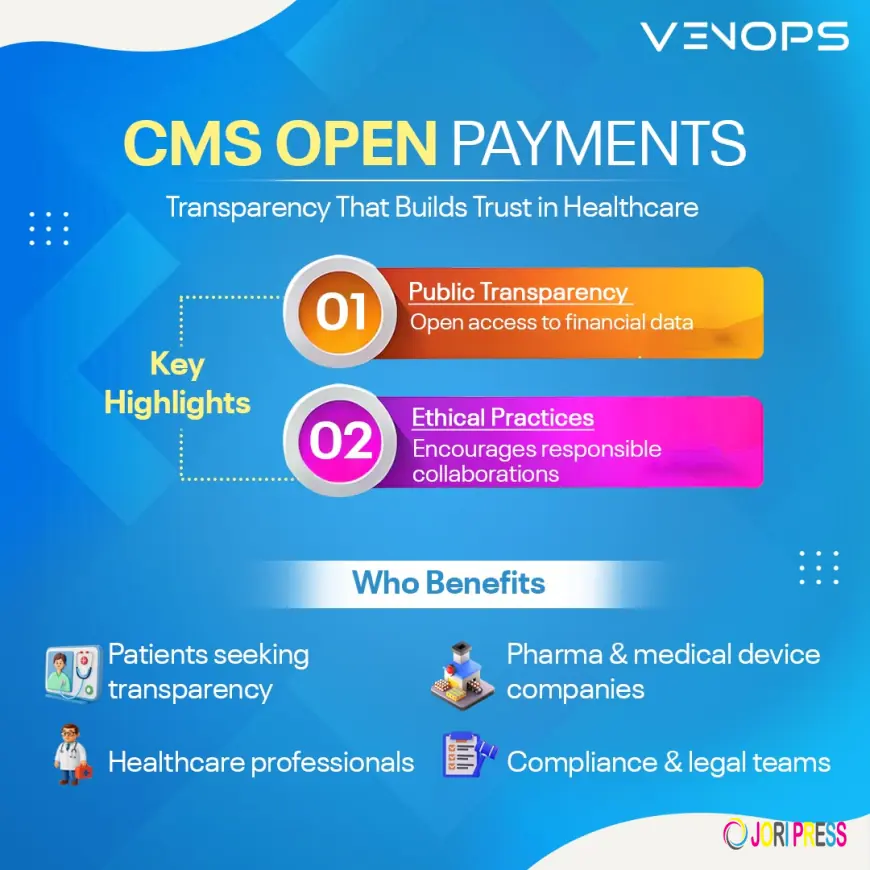
Transparency is the new "gold standard" in the U.S. healthcare system. Patients today want to know if their doctor has a financial relationship with the company that manufactures their medication or medical device. This is where the Open Payment CMS program comes into play.
As we move through 2024, the intersection of CMS Open Payment data and rigorous vendor screening has become a focal point for healthcare compliance officers nationwide.
What is the Open Payment CMS Program?
Commonly known as the "Sunshine Act," the Open Payment CMS program is a national transparency program. it requires manufacturers of drugs, devices, and biologics to report any payments or "transfers of value" made to physicians and teaching hospitals.
This data is then made public on the CMS Open Payment website. Whether it’s a $15 lunch provided by a pharmaceutical rep or a $50,000 research grant, it all goes into the database.
Why Does This Matter to You?
For physicians, these reports can affect your public profile. Patients can search your name and see exactly how much money you’ve received from industry partners. If the data is incorrect, you only have a small window each year to dispute it.
For hospitals, monitoring this data is a key part of managing Conflicts of Interest (COI). If a surgeon is exclusively using a specific type of implant, and the CMS Open Payment database shows they receive significant royalties from that manufacturer, the hospital needs to ensure that patient care isn't being compromised for profit.
The Importance of Comprehensive Vendor Screening
While the Sunshine Act tracks payments to doctors, your organization must also look at the companies themselves. Vendor screening is the process of vetting the entities you do business with.
Why is vendor screening so critical?
-
Fraud Prevention: You need to ensure the vendor isn't on a debarred list.
-
Compliance: If you buy supplies from a vendor that is excluded from federal programs, you may be unable to recoup those costs through Medicare.
-
Security: With the rise in healthcare data breaches, screening vendors for their cybersecurity practices is more important than ever.
Trending: The Integration of Data
The big trend in 2024 is the "merging of the lists." Compliance officers are no longer looking at CMS Open Payment data in a vacuum. They are cross-referencing it with vendor screening results to create a 360-degree view of their financial and ethical risks.
Final Thoughts
The era of "hidden" financial relationships in healthcare is over. By embracing the transparency of Open Payment CMS and maintaining a strict vendor screening protocol, healthcare organizations can build deeper trust with their patients and ensure they are on the right side of the law.
In a world where data is public, being proactive is the only way to stay ahead.
What's Your Reaction?
 Like
0
Like
0
 Dislike
0
Dislike
0
 Love
0
Love
0
 Funny
0
Funny
0
 Angry
0
Angry
0
 Sad
0
Sad
0
 Wow
0
Wow
0