
































Sprinktech Pushes Smart, Solar-Powered Irrigation to Combat Uganda’s Erratic Weather

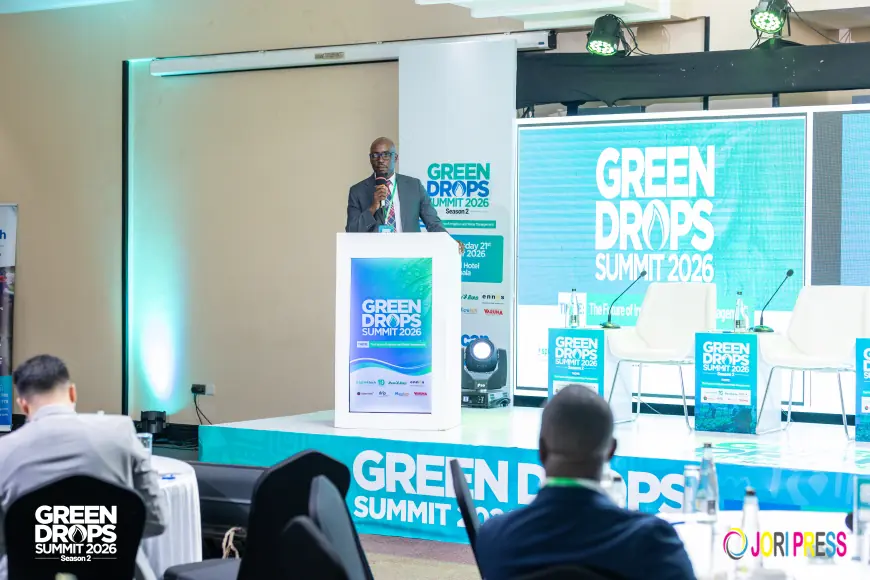
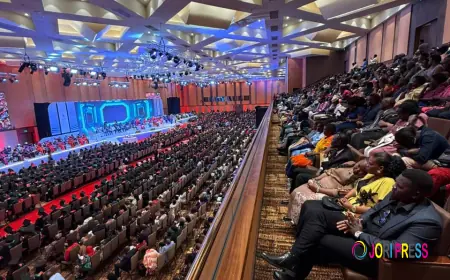
KAMPALA, Uganda — As unpredictable rainfall and prolonged dry spells increasingly threaten Uganda’s agricultural sector, Sprinktech has stepped up calls for the widespread adoption of smart, climate-resilient irrigation systems. The urgent push took center stage during the Green Drops Summit, which convened government officials, industry specialists, technology providers, and development partners to tackle growing food security and water conservation challenges.
With approximately 80% of Ugandans relying on agriculture for their livelihoods, traditional rain-fed farming is proving increasingly vulnerable to climate shifts. Speaking at the summit, Sprinktech CEO Javan Mukundane emphasized that the company was founded in 2017 precisely to help farmers transition toward reliable, year-round production.
"We started Sprinktech in 2017 with the major aim of championing irrigation in Uganda because, in the recent past, there have been prolonged droughts and unpredictable weather," Mukundane noted.
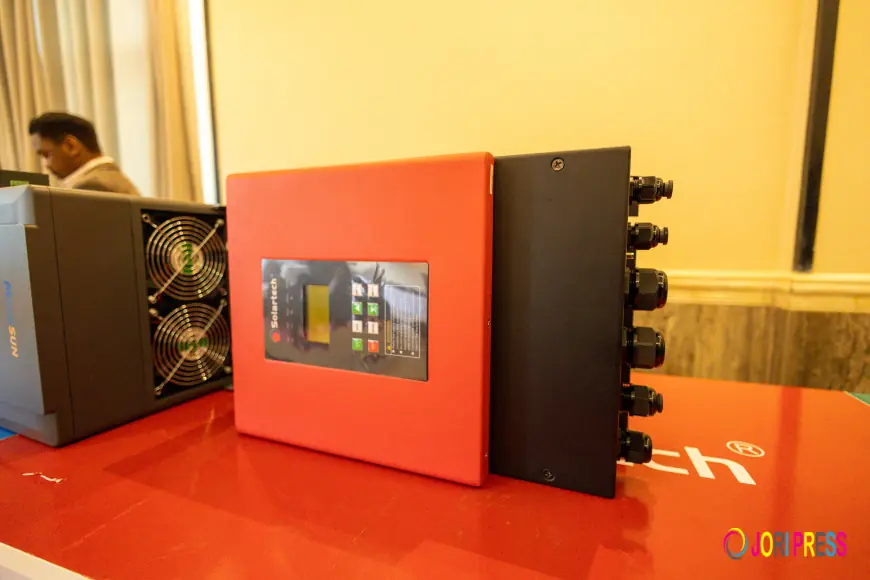
Mukundane showcased modern soil-moisture sensors, remote controllers, and automated systems that allow farmers to monitor and manage crop water requirements directly from mobile devices.
Highlighting solutions for areas with weak or expensive grid electricity, Gaurav Sharma of Kirloskar Fluid Dynamics (Varuna) and Karin Jeannette of Swiss partner ENNOS AG promoted solar-powered pumps as a cost-effective, sustainable alternative.
Sprinktech operating from branches in Kampala, Mbarara, and Gulu urged smallholder and commercial farmers to utilize government and World Bank-backed subsidised equipment programmes (such as those via the UECCC) to lower upfront installation costs.
The company also highlighted its nationwide technical support network, which actively features female engineers on the ground to design, install, and maintain systems.
Industry leaders agreed that moving away from complete dependence on seasonal rainfall is no longer optional, but a core requirement for stabilizing food supplies and safeguarding rural incomes across East Africa.
What's Your Reaction?
 Like
0
 Dislike
0
 Love
0
 Funny
0
 Angry
0
 Sad
0
 Wow
0