




































Infinite Craft: I Only Meant to Try One Combination

A quick break turns into a theory
I opened Infinite Craft on my computer thinking I’d poke around for a minute, combine a couple of things, and get back to my day. Then I caught myself hovering over the screen, asking, “Okay, but what happens if I combine these two?” like I was about to uncover a secret the universe had been keeping from me personally.
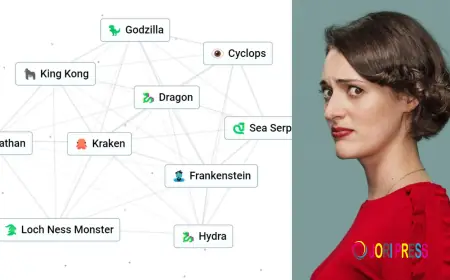
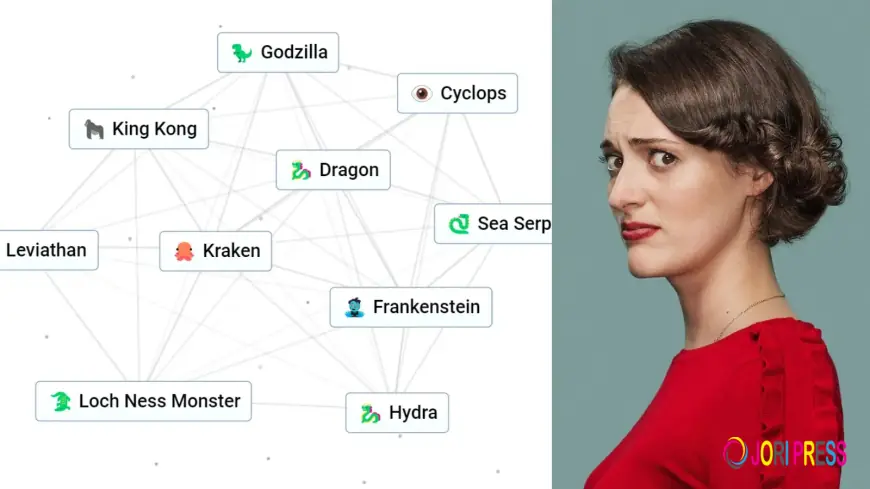
The game begins with Water, Fire, Earth, and Wind. From there, I drag one element onto another and see what happens. A new result can join the collection of things I can combine, which is where my careful little experiment tends to become an untidy web of curiosity.
Playing in a browser on a desktop makes the whole thing wonderfully low-effort. I open the page, move pieces around with the mouse, and start testing ideas. There’s no traditional level ladder telling me where to go or final boss waiting at the end. I’m just in front of a growing pile of elements, making decisions that range from “that seems reasonable” to “I wonder if this nonsense works.”
The logic is optional
Some combinations feel like they ought to make sense. I see two elements and mentally prepare a perfectly sensible outcome. Then the game gives me something I wasn’t expecting, and I’m left inspecting the result like a detective who has just found a clue written in crayon.
Other times, I get a result that feels so obvious after the fact that I’m mildly offended I didn’t think of it first. That’s part of the fun: Infinite Craft doesn’t reward me for having a tidy plan. It encourages me to try things, notice what comes back, and follow the next thought before it wanders off.
My process is not especially scientific. I’ll combine a few items with a theme in mind, find something unexpected, and immediately start asking what else it might connect to. Then I forget the original idea entirely and spend the next several minutes exploring a new branch. My desktop ends up looking like a thought experiment that escaped the notebook.
The drag-and-drop controls are simple, which leaves me free to focus on the important question: “What if I put these together?” The answer isn’t always what I expect, and not every attempt gives me a satisfying discovery. Occasionally, I try a combination with the confidence of a person who has absolutely not considered the possibility of being wrong. The result quietly corrects me.
One discovery becomes six more questions
Finding something new gives me a small jolt of satisfaction. It’s not a huge victory fanfare; it’s more like finding an unexpected door in a hallway and immediately wanting to check what’s behind it. Since a new result can be used in later combinations, one discovery often gives me several fresh ideas to test.
That’s how a short session stretches out. I tell myself I’ll stop after this experiment. Then I spot another pair that looks promising, and then another. I’m not racing toward a score or trying to clear a level. I’m following little trails of “what if” until I realize that the break has become the main event.
Infinite Craft feels less like a puzzle with one correct solution and more like a discovery game that gives curiosity plenty of room to misbehave. It nudges me to think creatively, but it also makes me laugh at how seriously I can take a completely unpredictable result. I’ll stare at the screen and try to reconstruct the logic as if I’m reviewing a very strange meeting I somehow missed.
That’s why it’s hard to close the browser. There’s always one more combination I haven’t tried, and my brain is deeply unhelpful about leaving questions unanswered. If you enjoy creative experimentation, give Infinite Craft a go. Just be warned: you may start with four elements and end up negotiating with yourself about whether “one last idea” counts as a last idea.
What's Your Reaction?
 Like
0
 Dislike
0
 Love
0
 Funny
0
 Angry
0
 Sad
0
 Wow
0