




































Goat Milk: Benefits, Uses, and Side Effects Explained
Goat milk has been consumed for centuries and is often celebrated as a nutritious alternative to cow milk

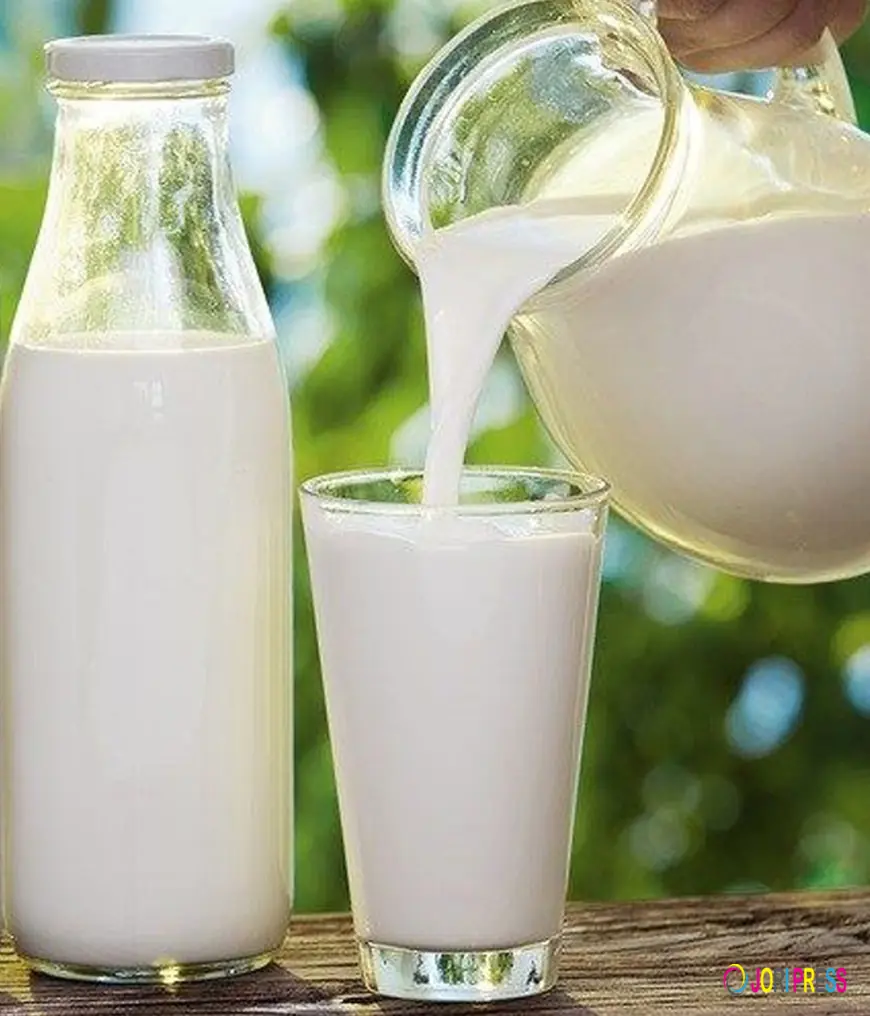
Goat milk has been consumed for centuries and is often celebrated as a nutritious alternative to cow milk. Its unique composition of nutrients, fats, and proteins offers several health benefits, while also being versatile in culinary and skincare uses. However, like any food, it may have side effects for certain individuals. Here’s a detailed look at goat milk.
Benefits of Goat Milk
1. Easier Digestion
Goat milk contains smaller fat globules and a softer protein structure, which allows it to form a lighter curd in the stomach. This makes it easier to digest and often better tolerated than cow milk by people with mild dairy sensitivity.
2. Rich in Nutrients
It is a good source of essential nutrients including:
- Calcium for bone health
- Potassium for heart and muscle function
- Magnesium for nerve and muscle support
- Vitamin A for skin, vision, and immunity
- Healthy fats that provide energy and aid nutrient absorption
3. Supports Bone Health
High calcium and phosphorus content helps maintain strong bones and teeth, reducing the risk of osteoporosis and promoting growth in children.
4. Boosts Immunity
Minerals like selenium and zinc in goat milk support a stronger immune system, helping the body fight infections.
5. Promotes Skin Health
Lactic acid and vitamin A nourish the skin, promote gentle exfoliation, and help maintain hydration. Goat milk is also used in skincare products for its soothing and moisturizing properties.
6. May Reduce Lactose Discomfort
While not lactose-free, goat milk has slightly less lactose than cow milk and may be easier to tolerate for individuals with mild lactose sensitivity.
7. Supports Gut Health
Prebiotic oligosaccharides in goat milk help promote healthy gut bacteria, contributing to better digestion and nutrient absorption.
Uses of Goat Milk
1. Culinary Uses
- Drank fresh or used in coffee and tea
- Added to smoothies, soups, or cereals
- Used to make yogurt, cheese, kefir, and baked goods
2. Skincare
- Used in soaps, lotions, and face masks
- Helps moisturize, soothe, and gently exfoliate the skin
3. Infant Nutrition
- Goat milk-based formula is an alternative for infants with cow milk sensitivity (consult a pediatrician before use)
4. Cooking & Baking
- Can replace cow milk in recipes, offering a slightly creamier texture and tangy flavor
Potential Side Effects
While goat milk is generally safe for most people, some may experience side effects:
1. Lactose Sensitivity
Although it contains less lactose than cow milk, people with severe lactose intolerance may still experience bloating, gas, or diarrhea.
2. Allergies
Individuals allergic to cow milk proteins may also react to goat milk, though some with mild cow milk protein sensitivity tolerate it better.
3. High-Calorie Content
Goat milk is slightly higher in fat and calories than cow milk, which may not suit those monitoring caloric intake.
4. Risk of Contamination
Raw goat milk can carry harmful bacteria if not pasteurized. Always choose pasteurized milk to reduce the risk of foodborne illness.
Conclusion
Goat milk is a nutrient-rich, easily digestible alternative to cow milk, with benefits for digestion, bone health, immunity, and skin. Its versatility in cooking, beverages, and skincare adds to its appeal. However, it may not be suitable for those with severe lactose intolerance or milk allergies, and precautions should be taken with raw milk.
What's Your Reaction?
 Like
0
Like
0
 Dislike
0
Dislike
0
 Love
0
Love
0
 Funny
0
Funny
0
 Angry
0
Angry
0
 Sad
0
Sad
0
 Wow
0
Wow
0