





































The Ultimate Setup Guide for Bitcoin Mining Solutions in 2026
Ultimate 2026 guide to bitcoin mining solutions. Learn setup, hardware, costs, and strategies to maximize efficiency, profitability, and long-term growth.
Bitcoin mining continues to evolve at a rapid pace, and 2026 is shaping up to be one of the most competitive years yet. With increasing network difficulty, rising energy costs, and rapid hardware innovation, setting up an efficient mining operation now requires more than just plugging in a machine. It demands planning, strategy, and a clear understanding of the ecosystem.
This guide walks you through everything you need to know to set up effective bitcoin mining solutions in 2026 from choosing the right hardware to optimizing performance and scaling your operation for long-term success.
Understanding the Basics of Bitcoin Mining
Before diving into setup, it’s important to understand how mining works. Bitcoin mining is the process of validating transactions on the blockchain by solving complex cryptographic problems. Miners compete to add new blocks, and in return, they earn rewards in Bitcoin.
However, mining is no longer a hobbyist activity. The industry has matured into a highly competitive space where efficiency, uptime, and cost control determine profitability.
Step 1: Define Your Mining Goals
The first step in setting up your mining operation is defining what you want to achieve. Your approach will vary depending on your goals:
-
Passive income generation
-
Long-term BTC accumulation
-
Scaling a commercial mining operation
Clarity at this stage helps you decide your budget, infrastructure, and risk tolerance.
Step 2: Choose the Right Mining Hardware
Hardware is the backbone of your mining setup. In 2026, ASIC (Application-Specific Integrated Circuit) machines dominate the market due to their unmatched efficiency.
When selecting hardware, consider:
-
Hashrate – Higher hashrate means more mining power
-
Energy efficiency – Measured in J/TH (joules per terahash)
-
Durability and brand reputation
-
Cooling requirements
Modern bitcoin miners are designed to deliver high performance while minimizing energy consumption, but choosing the right model still depends on your budget and operational scale.
Step 3: Decide Between Home Setup and Hosting
One of the biggest decisions in 2026 is whether to mine at home or use a professional facility.
Home Mining
Pros:
-
Full control over operations
-
No hosting fees
Cons:
-
High electricity costs
-
Noise and heat management issues
-
Limited scalability
Hosted Mining
Pros:
-
Access to cheaper electricity
-
Professional maintenance
-
Better uptime and cooling
Cons:
-
Ongoing service fees
-
Less direct control
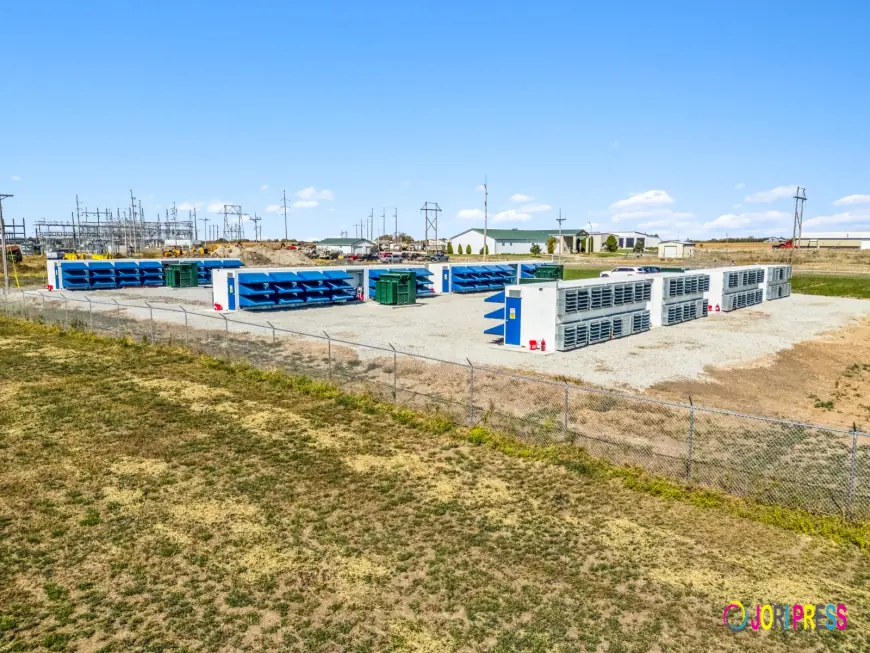
This is where Bitcoin hosting solutions come into play, offering miners access to optimized infrastructure without the hassle of managing it themselves.
Step 4: Secure Reliable Power Supply
Electricity is the single largest expense in mining. Even the most efficient hardware won’t be profitable if power costs are too high.
Key considerations:
-
Look for regions with low electricity rates
-
Ensure a stable and uninterrupted power supply
-
Consider renewable energy options for sustainability
Power efficiency is not just about cost it directly impacts your mining lifespan and hardware performance.
Step 5: Set Up Cooling and Ventilation
Mining machines generate a significant amount of heat. Without proper cooling, performance drops and hardware lifespan decreases.
Common cooling methods include:
-
Air cooling (standard for small setups)
-
Immersion cooling (popular for large-scale operations)
-
Industrial ventilation systems
In 2026, immersion cooling is gaining traction due to its ability to increase efficiency and reduce wear and tear on components.
Step 6: Install Mining Software
Once your hardware is ready, you’ll need mining software to connect your machines to the Bitcoin network.
The software allows you to:
-
Monitor performance
-
Adjust settings
-
Connect to mining pools
Choose software that offers a user-friendly interface, strong security features, and real-time analytics.
Step 7: Join a Mining Pool
Solo mining is no longer practical for most users due to the high level of competition. Mining pools allow you to combine your computing power with other miners and earn consistent rewards.
When selecting a pool, consider:
-
Fee structure
-
Payout frequency
-
Reputation and reliability
Joining the right pool can significantly improve your earnings stability.
Step 8: Optimize for Efficiency
Optimization is what separates profitable operations from unprofitable ones.
Here’s how you can improve efficiency:
-
Fine-tune power settings
-
Use firmware upgrades
-
Monitor temperature and uptime
-
Reduce downtime with proactive maintenance
Even small improvements in efficiency can lead to significant gains over time.
Step 9: Focus on Security
Mining setups are valuable targets for cyberattacks and physical theft. Securing your operation is critical.
Best practices include:
-
Use strong passwords and two-factor authentication
-
Secure your network with firewalls
-
Regularly update firmware and software
-
Monitor for unusual activity
Security is often overlooked but can save you from major losses.
Step 10: Track Profitability and ROI
Mining is a business, and like any business, you need to track performance.
Important metrics to monitor:
-
Daily earnings
-
Electricity costs
-
Hardware efficiency
-
Return on investment (ROI)
Using analytics tools or profitability calculators helps you make data-driven decisions and adjust your strategy as needed.
Step 11: Plan for Scaling
If your initial setup is successful, scaling becomes the next step.
To scale effectively:
-
Reinvest profits into new hardware
-
Expand into better locations
-
Upgrade infrastructure
-
Automate operations where possible
Scalability is a key factor in staying competitive in the mining industry.
Step 12: Stay Updated with Industry Trends
Bitcoin mining is constantly evolving. New technologies, regulations, and market conditions can impact your operation.
Key trends in 2026 include:
-
Increased adoption of renewable energy
-
Growth of institutional mining
-
Advanced cooling technologies
-
AI-driven optimization tools
Staying informed allows you to adapt quickly and maintain profitability.
Common Mistakes to Avoid
Even experienced miners make mistakes. Here are a few to watch out for:
-
Ignoring electricity costs
-
Choosing hardware based only on price
-
Neglecting cooling systems
-
Failing to plan for downtime
-
Not diversifying risk
Avoiding these pitfalls can save you time, money, and frustration.
Final Thoughts
Setting up bitcoin mining solutions in 2026 is both an opportunity and a challenge. The barriers to entry are higher than ever, but so are the rewards for those who approach mining strategically.
Success in mining is no longer about luck it’s about efficiency, planning, and continuous optimization. Whether you’re starting small or aiming to build a large-scale operation, focusing on the right fundamentals will set you apart.
By carefully selecting your hardware, managing costs, optimizing performance, and staying ahead of industry trends, you can build a mining setup that is not only profitable but also sustainable in the long run.
ValueHash can provide a powerful way to participate in the Bitcoin ecosystem and grow your digital asset portfolio in 2026 and beyond.
What's Your Reaction?
 Like
0
Like
0
 Dislike
0
Dislike
0
 Love
0
Love
0
 Funny
0
Funny
0
 Angry
0
Angry
0
 Sad
0
Sad
0
 Wow
0
Wow
0