





































How to Make a Pet Sitting Website in Under 24 Hours
Starting a pet sitting website no longer requires months of development or a large technical team. This article explains how founders can launch a working pet sitting platform within 24 hours using ready-made marketplace scripts or no-code tools. It explores why pet sitting demand is increasing, the common mistakes that delay launches, and the fastest ways to get a booking platform online. The article also walks through a realistic 24-hour launch plan covering hosting, branding, sitter onboarding, payment setup, and soft launch strategies. It highlights the importance of focusing on essential features first instead of overbuilding before validating the market.
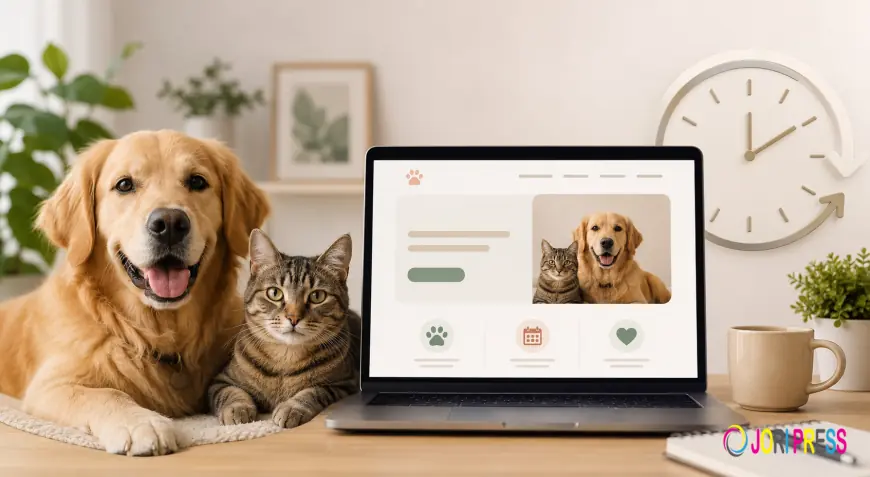
Most people who try to start a pet sitting business hit the same wall on day one. They have the sitters lined up, maybe a few neighbours willing to refer clients, and a phone full of dog photos. What they don't have is a place online for owners to actually find them, check availability, and book. And building that website usually feels like a months-long project no one has time for.
The good news is, it isn't anymore. With the tools that exist today, a working pet sitting website (bookings, sitter profiles, location filters, payments) can go live in a single day. Not a polished version with every feature you've ever imagined, but a real, usable one that takes its first booking by tomorrow morning. The trick is knowing what to skip in the first 24 hours and what to absolutely get right.
Why Pet Sitting Demand Is Outpacing Supply
Pet ownership has been climbing steadily for years, and the share of owners willing to pay for in-home or drop-in care has climbed with it. Younger pet parents in particular treat their dogs and cats less like animals to be boarded and more like family members who shouldn't be left in a kennel. That shift has created a small army of independent sitters looking for clients, and a much larger army of owners looking for sitters they can trust.
Most local sitters still rely on Instagram, WhatsApp groups, and word of mouth. That works fine until you want to scale beyond your own circle. A simple website with a booking form and a list of available sitters does what social media can't — it shows up on Google when someone in your city types "dog sitter near me" at 2 a.m. before a work trip. That's the moment most bookings happen, and that's the moment most local sitters miss because they don't have a site.
Why Most People Take Months to Launch (And Don't Need To)
Talk to anyone who tried to build a pet sitting platform from scratch and you'll hear the same story. They started with a designer, moved to a developer, got quoted three months and a budget that grew every week. Six months later, the site still wasn't live, and the few sitters they'd signed up had drifted away.
The mistake is treating the first launch like the final launch. A pet sitting website in its earliest form needs four things: a way for sitters to list themselves, a way for owners to search by location and date, a way to book, and a way to pay. Everything else, from review systems and vaccination uploads to GPS check-ins and loyalty points, can wait. Trying to ship all of it on day one is what turns a 24-hour project into a 24-week one.
The Three Routes To Get Live in a Day
Route 1: A no-code marketplace builder
Tools like Sharetribe, Bubble, and a few smaller no-code platforms let you stand up a two-sided booking site without writing code. You drag, drop, configure, and connect a payment processor. It's fast and there's no developer involved. The trade-off is monthly cost, design constraints, and the fact that you don't really own the platform — if the vendor changes pricing or shuts down, your business follows.
Route 2: A ready-made script
This is the route most people land on once they've priced the alternatives. A ready-made script is essentially a pre-built pet marketplace, written and tested, that you install on your own hosting. You get the source code. You can rebrand it, change the colours, swap the logo, and start adding sitters the same afternoon. For a one-off cost (usually a fraction of what custom development runs), you skip months of engineering and own the codebase outright.
A solid option in this space is the Pet Classified Script from Originate Soft, which comes with the core marketplace pieces already wired up (sitter listings, search filters, booking flow, owner-sitter messaging), so the only real work is configuration and content. It's the kind of starting point that turns a multi-month build into a same-day setup.
Route 3: Full custom development
This is the slowest and most expensive route, and it almost never makes sense for a first launch. Custom development is the right answer once you have paying customers, real data on what they want, and a clear reason the off-the-shelf options aren't enough. Starting here is how launches stretch into next year.
A Realistic 24-Hour Launch Plan
Assume you've picked a ready-made script. Here's roughly how the day breaks down.
Hours 0–2: Setup and hosting
Buy a domain, pick a basic cloud host (DigitalOcean, Hetzner, AWS Lightsail all work), install the script. Most vendors offer free installation, so this step is mostly waiting. Use the time to think about your service area, whether that's one city, one neighbourhood, or a whole region, because that decision shapes every page you'll write later.
Hours 2–6: Branding and content
Drop in your logo, pick two colours, and write three pages of copy: a homepage, an "about" page, and a sitter signup page. Keep it short and honest. Owners aren't reading a sales pitch — they're scanning for trust signals. A clear name, a real phone number, and a single photo of a happy dog will do more than three paragraphs of corporate copy.
Hours 6–14: Sitter recruitment
This is where most first-day launches actually live or die. A pet sitting website with zero sitters is just a landing page. Spend the bulk of the day reaching out to people you already know who sit pets informally: friends, neighbours, vet techs looking for side income, students with flexible schedules. Offer the first ten sitters free listings forever. You need supply on the site before you tell a single owner it exists.
Hours 14–20: Payments and policies
Connect Stripe or Razorpay (depending on your country), set your commission, and write a one-page cancellation policy. Don't overthink the legal language. A short, plainly worded policy is better than a long one borrowed from somewhere else, and you can refine it once real bookings start coming through.
Hours 20–24: A soft launch
Share the link with twenty people. Family, friends, two neighbourhood WhatsApp groups, a local pet store. Don't announce it as a grand opening — call it a beta and ask for feedback. The goal of day one isn't traffic. It's getting one real booking from one real person, so you can see what breaks before strangers find you.
The Real Lesson From 24-Hour Launches
The pet sitting businesses that grow aren't the ones with the prettiest websites. They're the ones that got something live, watched how owners and sitters actually used it, and improved from there. Every week spent perfecting a homepage before launch is a week of real customer feedback you didn't get.
Twenty-four hours sounds aggressive, and for a fully custom build it would be. With a ready-made script, a clear scope, and the discipline to skip every "nice to have" feature on the first day, it's not just doable — it's the version of the project most likely to actually ship. The sitters and owners you need are already out there. The platform that connects them just has to exist.
What's Your Reaction?
 Like
0
Like
0
 Dislike
0
Dislike
0
 Love
0
Love
0
 Funny
0
Funny
0
 Angry
0
Angry
0
 Sad
0
Sad
0
 Wow
0
Wow
0