

































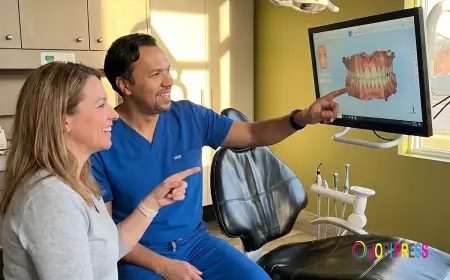








Healthcare User Experience Design & Green Hospital Architecture Shaping Modern Hospital Interiors
Explore how Healthcare User Experience Design & Green Hospital Architecture shape modern hospital interiors using evidence-based design and latest healthcare trends.

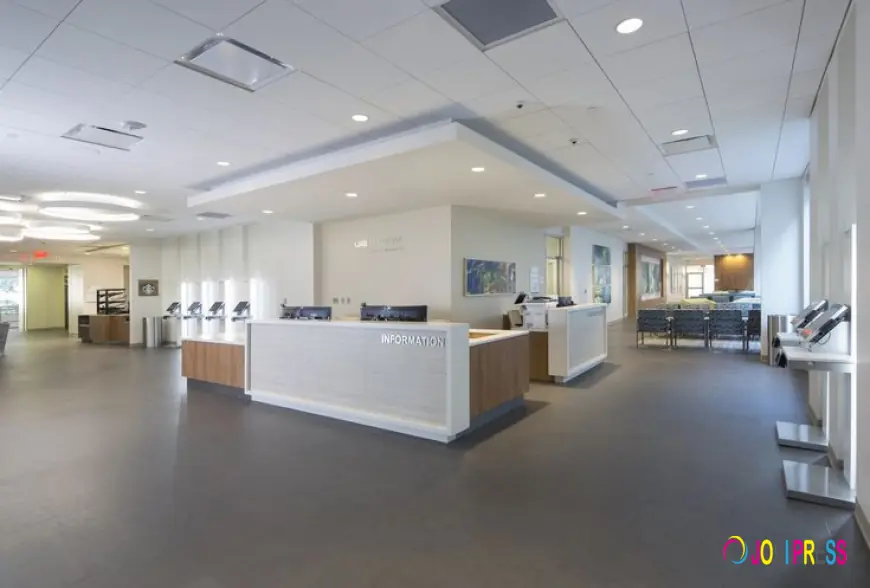
The future of healthcare is not defined only by advanced medical technology—it is increasingly shaped by how patients, doctors, and caregivers experience healthcare spaces. Today, Healthcare User Experience Design and Green Hospital Architecture are transforming the way hospitals are planned, built, and experienced.
Modern hospitals are no longer cold, intimidating environments. Instead, they are evolving into healing, sustainable, patient-centric spaces where hospital interior design, evidence-based planning, and green architecture work together to improve outcomes and efficiency.
This blog explores how Healthcare User Experience Design & Green Hospital Architecture are shaping modern hospital interiors, following latest healthcare trends and redefining the role of the hospital architect.
What Is Healthcare User Experience (UX) Design?
Healthcare User Experience Design focuses on how patients, visitors, doctors, nurses, and staff interact with hospital spaces—emotionally, physically, and functionally.
Unlike traditional architecture, UX-driven healthcare design prioritizes:
-
Patient comfort and dignity
-
Stress reduction
-
Clear navigation and wayfinding
-
Efficient staff workflows
-
Safety and infection control
A hospital designed with strong healthcare UX principles improves both patient satisfaction and clinical performance.
Why Healthcare User Experience Design Is Critical Today
Modern healthcare systems are under pressure to deliver better care with higher efficiency. Poorly designed spaces lead to:
-
Patient anxiety and confusion
-
Staff burnout
-
Longer recovery times
-
Operational inefficiencies
Benefits of Strong Healthcare UX Design
-
Improved patient recovery rates
-
Lower stress and anxiety
-
Better doctor and nurse productivity
-
Higher patient trust and satisfaction
-
Optimized hospital operations
That’s why leading hospital architects integrate user experience design into every stage of hospital planning.
Understanding Green Hospital Architecture
Green Hospital Architecture is the practice of designing hospitals that are environmentally responsible, energy-efficient, and sustainable—without compromising medical functionality.
Green hospitals reduce environmental impact while enhancing indoor air quality, thermal comfort, and healing environments.
Core Principles of Green Hospital Architecture
-
Energy-efficient building systems
-
Natural light and ventilation
-
Sustainable materials
-
Water conservation
-
Reduced carbon footprint
-
Long-term operational savings
A green hospital is not just eco-friendly—it is patient-friendly and cost-efficient.
How Green Hospital Architecture Enhances Healthcare UX
When green hospital architecture is combined with healthcare user experience design, the results are transformative.
Key UX Benefits of Green Design
-
Natural daylight reduces depression and fatigue
-
Fresh air improves patient comfort and staff alertness
-
Quiet, acoustically balanced spaces reduce stress
-
Connection to nature accelerates healing
These elements directly influence patient recovery times and staff well-being.
Latest Healthcare Trends Driving Hospital Design
Modern hospital design is guided by evidence-based research and global best practices.
1. Evidence-Based Hospital Design
Evidence-based hospital design uses scientific research to inform architectural decisions.
Proven Outcomes Include
-
Reduced infection rates
-
Faster patient recovery
-
Lower medication errors
-
Improved staff efficiency
2. Patient-Centric Planning
Hospitals are now designed around patient journeys, not just departments.
Key focus areas:
-
Simple navigation
-
Comfortable waiting areas
-
Privacy and dignity
-
Family-friendly spaces
3. Biophilic Design in Hospitals
Biophilic design integrates nature into hospital interiors.
Examples:
-
Indoor gardens
-
Green courtyards
-
Natural materials
-
Views of the outdoors
This is a major trend in modern hospital interior design.
4. Flexible & Future-Ready Layouts
Hospitals must adapt to:
-
New technologies
-
Pandemics and emergencies
-
Changing patient volumes
Flexible planning ensures long-term relevance.
Role of Hospital Interior Design in User Experience
Hospital interior design plays a direct role in shaping how users feel and function within healthcare spaces.
Key Interior Design Elements
-
Calming color palettes
-
Ergonomic furniture
-
Anti-microbial materials
-
Acoustic comfort
-
Soft lighting solutions
Well-designed interiors create healing environments while meeting strict medical standards.
Department-Wise UX-Focused Hospital Interior Design
Patient Rooms
-
Privacy and comfort
-
Natural light
-
Easy nurse access
-
Family accommodation
Waiting Areas
-
Stress-reducing layouts
-
Clear wayfinding
-
Comfortable seating
-
Visual connection to nature
ICUs & OTs
-
High efficiency workflows
-
Infection control zoning
-
Clear visibility
-
Advanced HVAC integration
How Hospital Architects Integrate UX & Green Design
A professional hospital architect plays a critical role in aligning:
-
Healthcare user experience design
-
Green hospital architecture
-
Evidence-based hospital design
-
Operational efficiency
Architect’s Responsibilities Include
-
Master planning
-
Functional zoning
-
Sustainability integration
-
Medical equipment coordination
-
Compliance with healthcare regulations
This holistic approach ensures safe, efficient, and healing hospitals.
Sustainability Meets Cost Efficiency
One of the biggest myths is that green hospital architecture is expensive. In reality:
Green Hospitals Offer
-
Lower energy bills
-
Reduced water consumption
-
Less maintenance cost
-
Longer building life
Over time, green hospital design saves significant operational costs.
Why Healthcare UX Design Matters to Hospital Owners
Hospital owners benefit directly from UX-focused green design:
-
Higher patient satisfaction scores
-
Stronger brand reputation
-
Improved staff retention
-
Better clinical outcomes
-
Higher long-term ROI
A hospital designed around user experience and sustainability becomes a competitive advantage.
Future of Healthcare Architecture
The future belongs to hospitals that are:
-
Human-centric
-
Sustainable
-
Evidence-based
-
Technology-ready
Healthcare User Experience Design & Green Hospital Architecture are no longer optional—they are essential for future-ready healthcare facilities.
Why Choose Experts in Healthcare Architecture
Only specialized healthcare architects understand:
-
Medical workflows
-
Infection control
-
Regulatory compliance
-
Patient psychology
-
Sustainable healthcare systems
Choosing the right hospital architect ensures your hospital performs at the highest level.
Frequently Asked Questions (FAQs)
Q1. What is Healthcare User Experience Design in hospitals?
It focuses on designing hospital spaces that improve patient comfort, staff efficiency, safety, and emotional well-being.
Q2. How does Green Hospital Architecture benefit patients?
It improves air quality, daylight access, comfort, and healing, while reducing environmental impact.
Q3. Is evidence-based hospital design really effective?
Yes. Research shows it reduces infection rates, stress, and recovery time.
Q4. Does green hospital design increase construction cost?
Initial costs may be slightly higher, but long-term savings and ROI are significantly better.
Q5. Why should I hire a specialized hospital architect?
Healthcare projects require deep technical knowledge, compliance expertise, and user-centric planning that general architects lack.
What's Your Reaction?
 Like
0
Like
0
 Dislike
0
Dislike
0
 Love
0
Love
0
 Funny
0
Funny
0
 Angry
0
Angry
0
 Sad
0
Sad
0
 Wow
0
Wow
0