








































Medical Representative Training Course and Medical Representative Job MR Job: A Complete Career Guide?
Explore a complete guide to medical representative training and MR jobs, including career options, essential skills, job duties, and steps to get started.
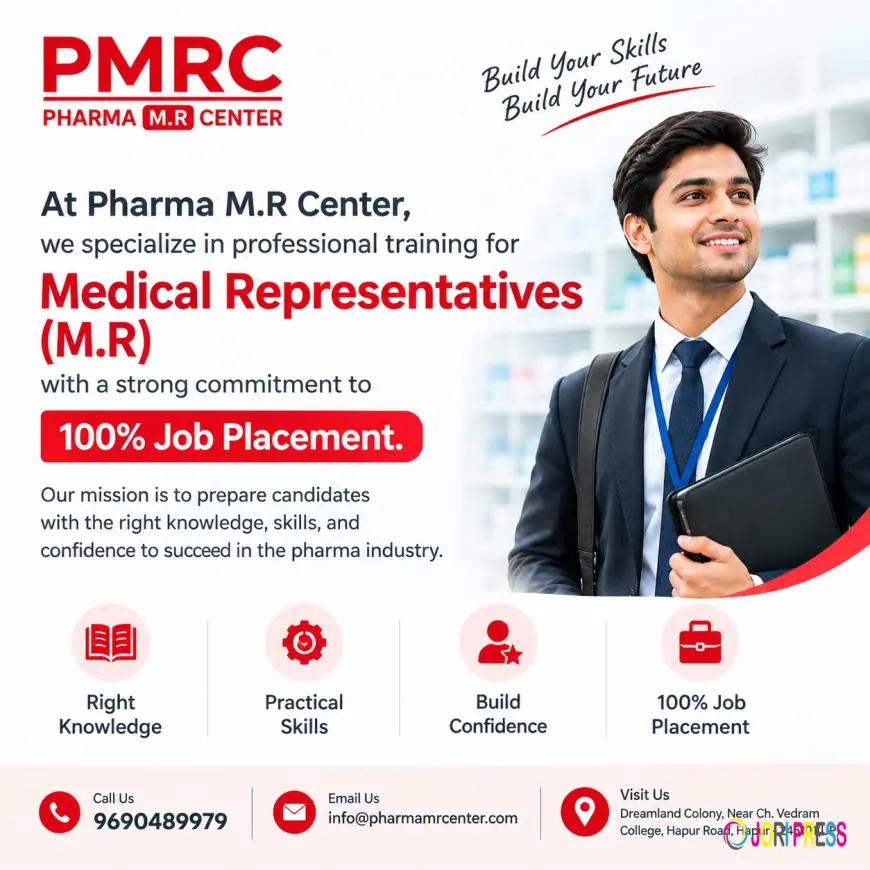
Choosing the right career after graduation is not always easy. Many students want to work in a professional industry where they can use their educational knowledge, interact with people and develop skills for long-term career growth. The pharmaceutical industry offers several opportunities, and becoming a Medical Representative (MR) is one of the career options worth exploring.
A medical representative works with pharmaceutical companies and communicates information about their products to doctors, pharmacists and other healthcare professionals. The position involves understanding medicines, presenting approved product information, managing field visits and maintaining professional relationships.
However, starting this career requires more than a graduation certificate. Candidates need basic pharmaceutical knowledge, good communication skills and an understanding of sales activities.
A Medical Representative Training Course can help freshers develop these abilities and understand the responsibilities of the profession. If your goal is to secure a Medical Representative Job MR Job, this complete guide will help you understand the training process, required skills, job responsibilities and career opportunities.
1. Understanding the Medical Representative Profession
A Medical Representative, commonly called an MR, acts as a professional link between a pharmaceutical company and healthcare professionals.
The main responsibility is to introduce pharmaceutical products and communicate their approved information using company-authorised materials.
Medical representatives generally work within assigned territories and follow planned schedules for professional visits.
Their responsibilities may include:
- Visiting doctors and relevant healthcare professionals.
- Introducing pharmaceutical products.
- Explaining product composition and approved indications.
- Sharing authorised product literature.
- Maintaining professional relationships.
- Managing daily field activities.
- Preparing visit and sales reports.
- Coordinating with sales managers.
- Following ethical promotional practices.
The profession combines pharmaceutical knowledge with communication, organisation and business skills.
Understanding these responsibilities before applying can help you decide whether a medical representative career is right for you.
2. Why Is a Medical Representative Training Course Important?
Fresh graduates may have academic knowledge but little practical experience in pharmaceutical sales.
For example, a student may understand basic biology or pharmacy subjects but may not know how to present a pharmaceutical product or communicate professionally with doctors.
A Medical Representative Training Course helps bridge this gap.
It introduces candidates to the pharmaceutical industry and explains the basic skills required for the job.
Training can be particularly useful for freshers because it provides an opportunity to understand workplace expectations before attending interviews.
A structured programme may cover pharmaceutical knowledge, basic pharmacology, product presentation, communication, sales fundamentals and interview preparation.
3. Subjects Covered in Medical Representative Training
Before enrolling in a training programme, it is useful to understand the subjects that may be included.
Basic Anatomy and Physiology
Candidates are introduced to the major systems of the human body and basic medical terminology.
This knowledge helps students understand common healthcare terms used in pharmaceutical product information.
Introduction to Pharmacology
Students learn basic concepts related to medicines, drug classifications and pharmaceutical formulations.
The objective is to develop an understanding of pharmaceutical products and their descriptions.
Pharmaceutical Product Knowledge
This subject focuses on understanding product composition, approved indications, dosage information and relevant precautions.
Candidates also learn how to refer to official product literature when communicating product details.
Pharmaceutical Sales and Marketing
Students are introduced to the responsibilities of pharmaceutical sales teams, product promotion, territory management and customer relationship management.
Communication and Presentation
This section helps candidates practise professional speaking, product presentations and appropriate workplace communication.
Interview Preparation
Some programmes also include mock interviews, resume preparation and guidance about pharmaceutical recruitment.
4. Essential Skills Required for a Medical Representative Job MR Job
Getting selected for a Medical Representative Job MR Job requires a combination of knowledge and practical abilities.
Some of the most important skills include:
Communication skills: You should be able to explain information clearly and interact professionally with different people.
Product knowledge: Understanding the products you represent is necessary for accurate communication.
Confidence: You should feel comfortable introducing yourself and presenting information.
Time management: Daily visits and field activities require proper planning.
Relationship management: Maintaining respectful professional relationships is an important responsibility.
Computer knowledge: Basic skills in email, spreadsheets and digital reporting systems can be useful.
Learning attitude: Pharmaceutical products and company requirements may change, so continuous learning is important.
These abilities can be developed through structured training and practical workplace experience.
5. How to Prepare for Your First MR Job Interview
For freshers, the first pharmaceutical interview can feel challenging.
Employers may ask questions about your education, understanding of pharmaceutical sales and interest in the medical representative profession.
Preparing in advance can help you communicate more confidently.
Some commonly asked interview questions include:
- Why do you want to become a medical representative?
- What are the responsibilities of an MR?
- What do you know about the pharmaceutical industry?
- Why is product knowledge important?
- How would you introduce a product to a doctor?
- Are you comfortable with fieldwork and travelling?
- How would you organise your daily schedule?
Prepare answers in simple language and avoid memorising complicated responses.
You should also create a professional resume highlighting your education, relevant training, communication skills and any internship experience.
A good training institute may provide mock interview sessions to help candidates practise before attending actual recruitment interviews.
6. Who Can Apply for Medical Representative Training?
A Medical Representative Training Course may be suitable for fresh graduates and individuals interested in pharmaceutical sales.
Depending on the training institute and employer eligibility requirements, candidates may include:
- B.Pharm graduates.
- B.Sc. graduates.
- Biotechnology graduates.
- Microbiology graduates.
- Life science graduates.
- Other graduates interested in pharmaceutical marketing.
Some pharmaceutical companies prefer candidates with pharmacy or science-related qualifications, while others may have different requirements.
Always check the eligibility criteria mentioned in the job advertisement before applying.
7. Understanding the Daily Routine of a Medical Representative
One important thing to understand before choosing this profession is that medical representatives generally have field-based responsibilities.
Their daily routine may involve planning visits, travelling within an assigned territory, meeting healthcare professionals and maintaining reports.
A typical working day may include:
- Reviewing the day's visit schedule.
- Travelling to assigned locations.
- Meeting doctors or pharmacists when available.
- Sharing approved product information.
- Recording completed visits.
- Coordinating with the sales manager.
- Reviewing the next day's activities.
The exact routine depends on the company, territory and assigned responsibilities.
Candidates should be comfortable with travelling and managing their activities independently.
8. How to Choose the Right Medical Representative Training Institute
Selecting the right institute is an important part of career preparation.
Before enrolling in a Medical Representative Training Course, compare the syllabus and practical learning opportunities.
Consider the following factors:
- Course syllabus: Check whether pharmaceutical basics, pharmacology and product knowledge are included.
- Practical sessions: Look for product presentation exercises and mock doctor visits.
- Trainer experience: Understand the trainers' pharmaceutical industry background.
- Interview preparation: Check whether mock interviews and resume guidance are available.
- Study materials: Ensure the learning resources are clear and relevant.
- Placement assistance: Ask what kind of recruitment support the institute provides.
- Certification: Understand the certificate offered after course completion.
Do not select an institute only because it promises guaranteed employment. A training programme can improve your job readiness, but the final selection depends on the employer.
9. Career Opportunities After Completing the Course
Completing professional training can help candidates prepare for entry-level pharmaceutical sales positions.
The most common starting position is Medical Representative.
With experience, consistent performance and professional development, individuals may explore additional roles.
Some possible career opportunities include:
Medical Representative: Handles assigned pharmaceutical products and professional visits.
Senior Medical Representative: Takes on additional responsibilities based on experience.
Area Sales Manager: Supervises sales representatives within an assigned territory.
Regional Sales Manager: Manages pharmaceutical sales operations across multiple areas.
Sales Training Executive: Helps train and guide pharmaceutical sales teams.
Career growth depends on individual performance, company policies, available positions and experience.
10. Tips for Building a Successful Pharmaceutical Career
Getting your first Medical Representative Job MR Job is only the beginning of your professional journey.
To develop a successful career, focus on improving your knowledge and working habits.
Keep yourself updated about the products you represent and always use approved company information.
Practise clear communication and maintain professional relationships with healthcare professionals.
Organise your daily schedule, complete reports accurately and take feedback from experienced colleagues.
You should also develop basic digital skills because many pharmaceutical companies use online systems for reporting and sales management.
Most importantly, maintain ethical standards in all professional interactions.
11. Why Practical Learning Makes a Difference
Theoretical knowledge is useful, but practical experience helps candidates understand how the profession works.
For example, reading about product presentations is different from actually explaining product information during a mock session.
Similarly, understanding territory management becomes easier when you practise preparing a sample visit schedule.
Practical activities such as mock interviews, product presentations and communication exercises help freshers identify areas that need improvement.
When choosing a Medical Representative Training Course, look for a programme that gives importance to these activities.
Final Thoughts
Building a career in pharmaceutical sales requires preparation, professional discipline and a willingness to learn.
A Medical Representative Training Course can help freshers understand pharmaceutical products, develop communication skills, practise product presentations and prepare for employment.
If you are planning to apply for a Medical Representative Job MR Job, start by understanding the responsibilities and developing the skills expected by pharmaceutical companies.
The right training can provide a useful foundation, but long-term success comes from practical experience, ethical communication and continuous improvement.
Whether you are a recent graduate or someone exploring a new career direction, taking the time to prepare properly can help you move towards a rewarding future in the pharmaceutical industry.
What's Your Reaction?
 Like
0
 Dislike
0
 Love
0
 Funny
0
 Angry
0
 Sad
0
 Wow
0