










































How to Track Physical Therapy Progress at Home: A Complete Guide
Physical Therapy App guide covering key features, benefits, costs and trends in 2026. Find the right solution with expert insights from Web Nautical.
Recovering from an injury or surgery requires consistency, patience and proper guidance. Physical therapy helps patients improve mobility, strength and everyday movement through structured rehabilitation exercises. However, tracking improvements between appointments can sometimes be challenging. This is where physical therapy progress tracking becomes useful.
With digital healthcare solutions, patients can record completed exercises, monitor symptoms and share updates with their physical therapists. These tools make it easier to understand recovery patterns and stay involved in rehabilitation.
Why Is Tracking Physical Therapy Progress Important?
Tracking rehabilitation progress helps patients and therapists understand whether a treatment programme is moving in the right direction.
Regular progress records can help identify improvements, difficulties and changes that may require professional attention.
Some important benefits include:
-
Better consistency: Patients can monitor completed exercises and maintain their prescribed routines.
-
Improved communication: Progress reports help patients share updates with therapists.
-
Clear recovery goals: Tracking measurable goals makes rehabilitation easier to organise.
-
Early identification of concerns: Repeated discomfort or difficulties can be shared with healthcare professionals.
Progress should always be evaluated according to individual health conditions and professional recommendations.
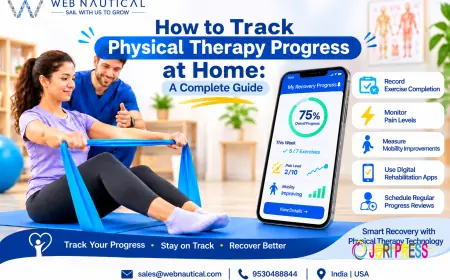
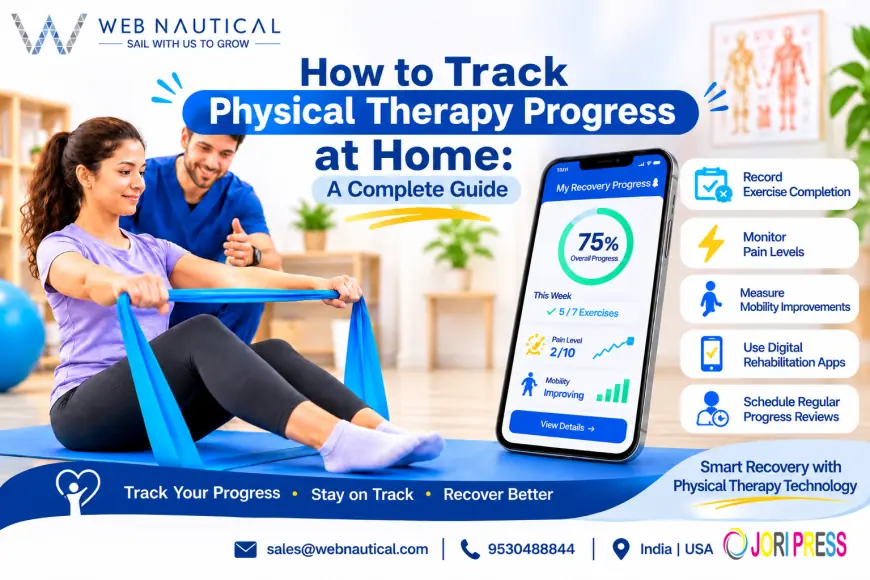
5 Ways to Track Physical Therapy Progress at Home
1. Record Daily Exercise Completion
Maintaining an exercise record is one of the simplest ways to monitor rehabilitation activities. Patients can note which exercises they completed, their repetitions and the duration of each session.
A digital tracker can make this process more organised and help patients follow their therapist's instructions.
2. Monitor Pain and Discomfort Levels
Pain levels can provide useful information about how a patient feels during recovery.
Patients can record discomfort before and after prescribed exercises using a simple rating scale. Sharing these records with a physical therapist can help them understand changes and decide whether an assessment is needed.
3. Measure Mobility Improvements
Mobility is an important part of many rehabilitation programmes. Depending on the condition, patients may track activities such as walking distance, joint movement or the ability to perform everyday tasks.
Measurements should follow the methods recommended by a qualified physical therapist rather than relying on random self-assessments.
4. Use Digital Rehabilitation Applications
A physical therapy progress tracker can help patients organise exercise schedules, record completed sessions and review recovery information.
Some applications also offer reminders, exercise videos, progress reports and communication tools. These features help connect patients with their therapists between appointments.
5. Schedule Regular Progress Reviews
Digital records become more useful when reviewed regularly with a physical therapist.
Professionals can compare progress updates, discuss challenges and modify rehabilitation programmes when clinically appropriate.
How Physical Therapy Apps Support Recovery Monitoring
Physical therapy applications bring several rehabilitation activities together in one digital platform.
Depending on their functionality, they may provide:
-
Personalised exercise schedules.
-
Daily activity tracking.
-
Exercise completion reports.
-
Pain and symptom records.
-
Progress dashboards.
-
Therapist communication.
-
Appointment reminders.
For example, a patient recovering from a knee injury may use an application to record prescribed exercises and share weekly updates with their therapist.
At Web Nautical, we understand how healthcare technology can simplify digital experiences. Well-designed healthcare applications can connect patients, therapists and rehabilitation workflows through practical features.
Tips for Improving Your Rehabilitation Routine
Patients can make their recovery tracking more useful by following a few simple practices:
-
Follow the exercise programme prescribed by your therapist.
-
Record exercise completion consistently.
-
Report unusual pain or discomfort.
-
Review progress regularly with your healthcare professional.
-
Avoid increasing exercise intensity without professional approval.
-
Use reliable applications with appropriate privacy and security features.
Remember that recovery timelines vary. Digital tracking supports rehabilitation but does not replace professional medical assessment.
Conclusion
Physical therapy progress tracking helps patients understand their rehabilitation journey and stay connected with healthcare professionals. From recording daily exercises to monitoring mobility and reviewing recovery reports, digital tools can make home rehabilitation more organised. At Web Nautical, we focus on developing practical healthcare technology solutions that support better digital experiences. Choosing the right application and following professional guidance can help patients manage their rehabilitation activities more effectively while keeping their individual recovery needs in focus.
What's Your Reaction?
 Like
0
 Dislike
0
 Love
0
 Funny
0
 Angry
0
 Sad
0
 Wow
0