



































Why Crypto Startups Are Choosing Trust Wallet Clone Development in 2027
Explore why crypto startups are choosing Trust Wallet clone development in 2027, from multi-chain support and user-friendly features to wallet security and Web3 connectivity.

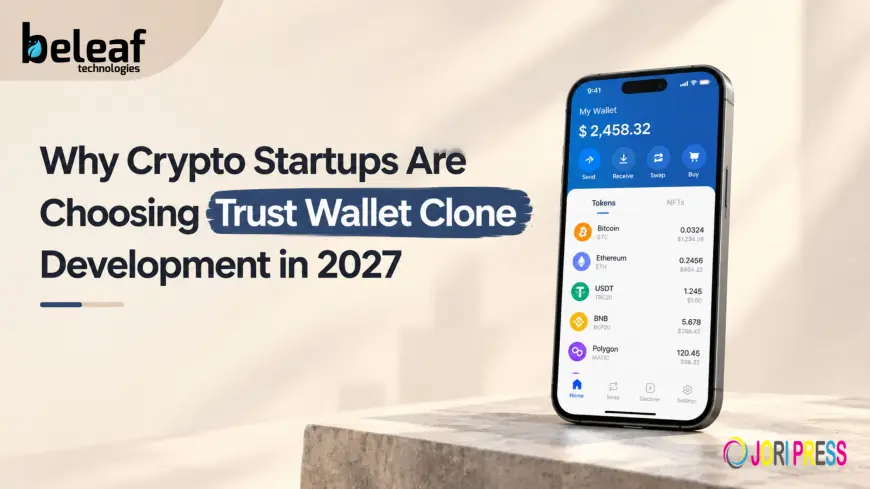
Imagine a startup preparing to introduce a new crypto service. The team has an idea, a limited budget, and users who expect a wallet that feels simple and secure. Building everything from scratch can take considerable time, so the team begins exploring existing wallet designs to understand which features are worth developing. A trust wallet clone can serve as a reference for studying wallet interfaces, blockchain connectivity, and asset management. In 2027, crypto startups are exploring this development approach because it can help them understand common wallet requirements and plan their own solutions more clearly.
Why Are Crypto Startups Exploring Wallet Clone Development?
Crypto startups need to consider more than the appearance of a wallet. They must understand how users create wallets, manage digital assets, authorize transactions, and recover access when necessary. Studying an established wallet's structure can help development teams identify familiar functions and understand how different components work together. However, copying an interface alone does not create a reliable product. The underlying code, security design, supported networks, and user experience all require careful planning. Wallet clone development provides a starting point for examining these requirements. Startups can decide which features fit their intended audience, what needs to be customized, and which technical challenges must be addressed before development begins.
How Can Existing Wallet Structures Simplify Planning?
Developing a crypto wallet involves several connected components, including account setup, asset displays, transaction processing, and blockchain communication. Planning each component independently without understanding their relationships can make development more complicated. Simple Wallet Creation helps teams examine how a wallet can guide users through setup without unnecessary steps. A clear interface can explain essential actions, display important information, and help users understand their responsibilities. This does not mean every wallet should follow an identical design. Startups still need to define their own requirements, test usability, and adapt the interface to the needs of their users. A structured development approach can make project requirements easier to identify. It also helps teams distinguish between essential functions and optional features, making technical planning more manageable.
Why Is Multi-Chain and Multi-Asset Support Important?
Crypto users may hold different digital assets across several blockchain networks. Managing these assets becomes easier when supported currencies and networks are presented through a consistent interface. Multi-Currency Multi-Chain Wallet Development focuses on supporting different cryptocurrencies and blockchain networks while accounting for their individual technical requirements. Each network may have different transaction fees, confirmation processes, and compatibility rules. Multi-Asset Support allows users to view multiple supported assets in one place. Features such as Real-Time Balance Updates can help display current asset information as new blockchain data becomes available. However, adding more networks increases development and testing requirements. Startups need to consider network compatibility, accurate data retrieval, and transaction handling before expanding the wallet's supported assets.
How Do Everyday Wallet Features Improve Usability?
A wallet becomes easier to understand when common activities are straightforward. Send and Receive Crypto features should display the information users need, including recipient addresses, transfer amounts, network details, and applicable fees. Network Selection is another important function. Users should be able to identify the correct blockchain network and understand whether it is compatible with the intended transfer. Clear warnings and transaction review screens can help reduce avoidable mistakes. Push Notifications can provide updates about transaction activity, confirmations, or other relevant wallet events. These alerts should communicate useful information without overwhelming users or exposing sensitive details. For startups, these features illustrate an important design principle: convenience should come from clear information and thoughtful workflows, not from removing essential checks.
What Security Considerations Should Startups Understand?
Security must be part of wallet development from the beginning rather than something added after the interface is complete. Wallets handle sensitive credentials and transaction approvals, so weak implementation can create serious problems. Private key protection is central to this process. In a non-custodial wallet, users control their private keys, making secure key handling and recovery planning especially important. Biometric authentication can add a convenient access-control layer on supported devices. Device-level security controls may help protect wallet access, but neither feature replaces sound key management or secure transaction signing. Secure backup mechanisms also need careful design. Recovery instructions should be clear, and sensitive recovery information must remain private. Security testing should cover the wallet's storage, transaction flows, and potential weaknesses before release.
How Does Non-Custodial Wallet Development Affect Control?
Non-Custodial Wallet Development allows users to control their own private keys rather than relying on a service provider to manage them. This approach offers direct control over transaction authorization but also places greater responsibility on users. If recovery information is lost and no alternative recovery method exists, restoring access may be impossible. Wallet interfaces should therefore explain recovery procedures and help users understand why private credentials must be protected. Startups must also decide whether their intended service requires a non-custodial model or another custody arrangement. That decision affects architecture, security responsibilities, user support, and compliance considerations. Understanding the custody model early helps teams make technical choices that match the purpose of their wallet.
What Role Do Web3 Connections and Wallet APIs Play?
Web3 Wallet Development involves connecting wallet applications with decentralized applications and blockchain-based services. These connections allow users to interact with supported services, but permission requests and transaction details should remain clear. Connecting a wallet does not automatically make a website trustworthy. Users should verify applications, review requested permissions, and understand what they are approving. Crypto Wallet API Development can help applications retrieve blockchain data, display balances, and communicate with supported services. APIs need appropriate error handling and reliable data processing because incomplete or outdated information can confuse users. Meanwhile, Mobile Crypto Wallet Development requires attention to device compatibility, screen layouts, performance, and secure interactions. Each component should work together to provide a consistent experience.
How Should Startups Approach Wallet Development in 2027?
The decision to Build your own crypto wallet brand involves defining the audience, selecting essential features, choosing suitable blockchain networks, and setting security requirements. A clone-style reference helps teams study established wallet patterns, but quality depends on original development, testing, and thoughtful customization. Startups that balance usability, security, and technical reliability can create wallet experiences that users manage with confidence.
What's Your Reaction?
 Like
0
 Dislike
0
 Love
0
 Funny
0
 Angry
0
 Sad
0
 Wow
0