






































When Should Drivers Schedule Calibration After Repair?
Learn when drivers must schedule calibration after vehicle repairs to maintain ADAS safety systems and ensure accurate sensor performance.

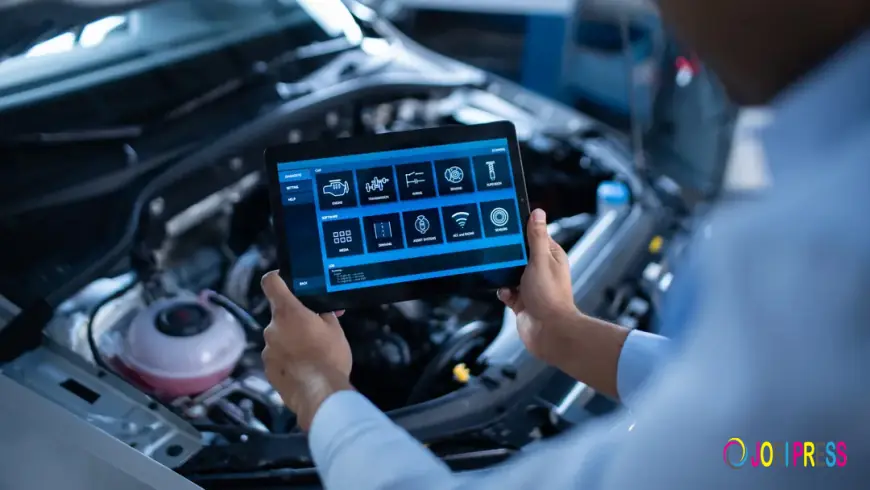
Modern vehicles use Advanced Driver Assistance Systems (ADAS) to maintain safety and improve driving accuracy. Features like adaptive cruise control, lane departure warnings, and collision avoidance rely on precise sensor alignment to operate correctly. Vehicle repairs, including windshield replacement, suspension adjustments, or sensor and mirror replacement, may disturb this alignment. Blind Spot Monitoring Calibration is critical because even minor misalignments can lead to missed alerts or false warnings. Scheduling calibration at the right time ensures these systems function properly, restoring confidence in the vehicle’s safety features.
Why Calibration Is Necessary After Vehicle Repairs
Repairs often affect the alignment of cameras, radar units, and sensors that power ADAS technologies. Even minor adjustments can disrupt their position, causing the system to misinterpret road conditions. Windshield replacement may require recalibration because forward-facing cameras are mounted behind the glass. Bumper repairs can affect radar sensors used for blind spot detection, while suspension or wheel alignment changes can influence sensor readings. Proper calibration restores factory specifications, ensuring that cameras, radar, and other safety devices operate reliably.
Situations When Drivers Should Schedule Calibration
Certain repairs consistently require immediate calibration to maintain system accuracy. This includes windshield replacements, front or rear bumper repairs, suspension or wheel alignment work, and accident or collision repairs. Calibration is also necessary after camera, radar sensor, or side mirror replacement, and whenever ADAS warning lights appear on the dashboard. Addressing calibration in these situations prevents delayed alerts, system errors, and unreliable safety features, ensuring the vehicle continues to detect obstacles, lane markings, and surrounding traffic accurately.
Signs That Your Vehicle May Need Calibration
Drivers may notice dashboard alerts indicating sensor or camera malfunctions, signaling the need for recalibration. Unexpected behavior from ADAS features, such as false lane departure warnings or malfunctioning adaptive cruise control, can also indicate misalignment. Repairs that affect sensor-related components, even indirectly, may disrupt system performance. Steering changes or unusual vehicle behavior after suspension work may also suggest calibration is required. Routine diagnostic checks at repair centers can confirm misalignment or data inconsistencies, prompting calibration to restore accurate system operation.
The Risks of Delaying Calibration
Post-repair calibration is essential for vehicle safety and reliability. Misaligned sensors can fail to detect nearby vehicles, pedestrians, or obstacles, reducing reaction time and increasing the risk of accidents. False alerts can desensitize drivers, causing them to ignore critical warnings. Insurance and manufacturer policies may require calibration after certain repairs to maintain coverage. Delaying calibration can also lead to premature wear of stability or driver assistance systems that depend on accurate sensor data. Prompt calibration safeguards both safety and vehicle performance.
Step-by-Step Process for Scheduling Calibration
Drivers can follow a structured approach to ensure calibration is completed effectively. Start by reviewing the type of repair and identifying components near ADAS sensors. Check the dashboard for any warning lights or alerts related to driver assistance systems. Contact a certified repair facility experienced in ADAS calibration. Schedule calibration promptly after repair completion. Request a diagnostic scan to verify sensor alignment. Conduct a controlled test drive after calibration to confirm the correct operation of all safety systems. Following this step-by-step process ensures optimal performance.
How the Calibration Process Works
Calibration aligns cameras, radar units, and sensors so they communicate accurately with the vehicle’s control systems. Static calibration occurs in a workshop using measurement tools, visual targets, and diagnostic software to adjust sensor angles precisely. Vehicles must be positioned on a level surface, and equipment placement follows manufacturer guidelines. Dynamic calibration requires driving the vehicle under specific conditions to collect real-world data, allowing sensors to recalibrate based on actual road behavior. Some vehicles require both static and dynamic calibration to complete the process successfully. Skilled technicians ensure accuracy and safety.
Conclusion
Scheduling calibration after repairs is essential to maintain ADAS accuracy and vehicle safety. Sensors and cameras detect road conditions, nearby vehicles, and potential hazards, and even minor repairs can disrupt their alignment. Prompt calibration restores the intended performance of driver assistance systems, including blind spot monitoring, lane departure alerts, and adaptive cruise control. Recognizing signs such as warning lights, unusual system behavior, or structural adjustments helps drivers take timely action. Consistent calibration ensures that safety features remain dependable, reducing risks and maintaining confidence while driving.
FAQs
How soon should calibration be done after vehicle repairs?
Calibration should be scheduled immediately after repairs involving windshields, bumpers, suspension components, or sensors to ensure safety systems operate correctly.
Does windshield replacement always require calibration?
Most vehicles require forward-facing camera recalibration after windshield replacement, as camera alignment is critical for lane detection and adaptive features.
Can a vehicle operate safely without calibration?
Vehicles may operate, but ADAS features could deliver inaccurate alerts or fail to detect hazards without proper calibration.
How long does the calibration process take?
Calibration typically takes one to three hours, depending on vehicle model, sensor type, and whether static, dynamic, or both calibrations are required.
What happens during calibration service?
Technicians align sensors using diagnostic software, visual targets, and test drives, ensuring cameras, radar units, and ADAS features communicate correctly with control systems.
Visit: adaptiveadas.com/services
What's Your Reaction?
 Like
0
Like
0
 Dislike
0
Dislike
0
 Love
0
Love
0
 Funny
0
Funny
0
 Angry
0
Angry
0
 Sad
0
Sad
0
 Wow
0
Wow
0