





































What Tools Improve Long-Term Home Air Protection Systems?
Discover essential tools to protect your home's air quality long-term, including radon fans, air filtration systems, ventilation tools, humidity control, and monitoring devices.

Maintaining healthy air quality at home is crucial for the well-being of every family member. Radon fans at reliableradonproducts.com are one of the most effective tools for controlling harmful gases that can accumulate over time, reducing long-term health risks. Along with radon mitigation, combining the right tools and consistent monitoring creates a safer indoor environment, preventing allergens, pollutants, and mold from affecting daily living. Homeowners who invest in these tools can ensure long-term protection, reduce respiratory issues, and maintain an overall cleaner and safer indoor atmosphere. This guide explores the most effective tools available for improving long-term home air protection, offering practical tips for every household.
Air Filtration Systems
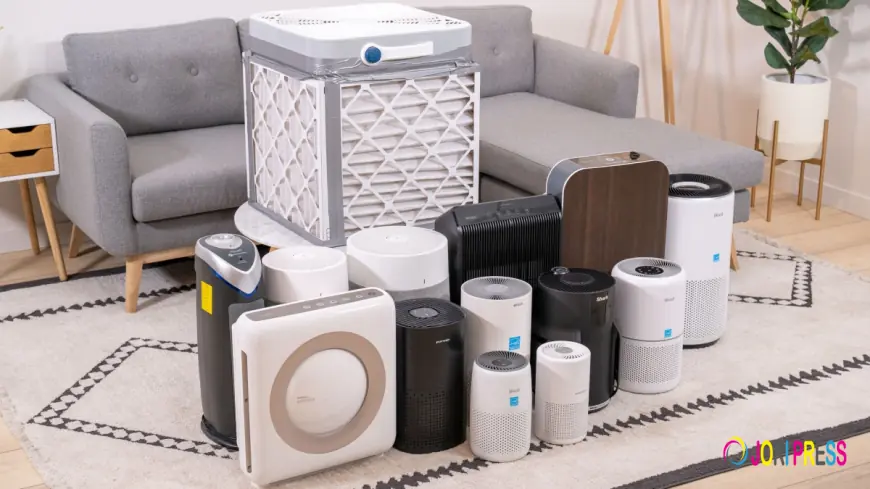
Air filtration systems remain one of the most critical components of long-term home air protection. High-Efficiency Particulate Air (HEPA) filters, activated carbon filters, and electrostatic filters trap airborne contaminants efficiently, making indoor air safer to breathe. HEPA filters can capture 99.97% of dust, pollen, pet dander, and fine particles, while activated carbon filters target odors, smoke, and volatile organic compounds (VOCs). Electrostatic filters use static electricity to attract and hold airborne dust and allergens. These systems can be installed in HVAC units, standalone purifiers, or portable devices to fit any room. Maintaining regular filter replacement schedules ensures consistent performance and avoids contaminant buildup. Bullet points for quick reference:
- HEPA filters capture 99.97% of particles.
- Activated carbon filters remove odors and VOCs.
- Electrostatic filters trap fine dust and pollen.
Air filtration not only improves air quality but also extends the life of heating and cooling systems by reducing dust accumulation in ducts and vents. A combination of different filtration types can address specific household needs, making long-term protection more effective.
Ventilation Tools
Proper ventilation prevents the buildup of indoor pollutants and maintains balanced humidity levels, which supports a healthier home environment. Tools such as energy recovery ventilators (ERVs), exhaust fans, and duct ventilation systems play a crucial role in maintaining continuous airflow. ERVs exchange indoor air with fresh outdoor air while conserving energy, ensuring a consistent supply of clean air throughout the home. Exhaust fans in kitchens, bathrooms, and laundry areas remove excess moisture and odors that can lead to mold growth. Duct cleaning tools and vent maintenance help eliminate dust, pet hair, and other airborne particles that accumulate over time. Bullet points for quick reference:
- Energy Recovery Ventilators (ERVs) balance indoor/outdoor air efficiently.
- Exhaust fans in kitchens and bathrooms remove moisture and odors.
- Duct cleaning tools improve airflow and reduce contaminants.
Combining multiple ventilation tools ensures that indoor air remains fresh and reduces the risk of long-term exposure to harmful pollutants, supporting overall health and comfort.
Air Quality Monitoring Devices
Air quality monitoring devices provide real-time insights into the condition of a home’s indoor environment. Smart monitors track pollutants such as particulate matter, VOCs, carbon dioxide, and radon levels, alerting homeowners to potential issues before they escalate. Radon detectors, in particular, are essential in areas with high radon concentrations, helping prevent prolonged exposure to harmful gases. Modern monitors often include mobile app connectivity, allowing users to track trends, set alerts, and maintain a consistent overview of their home’s air quality. Regular monitoring allows proactive maintenance, ensures timely filter replacement, and helps optimize ventilation and purification tools, creating a reliable long-term strategy for healthier indoor air.
Humidity Control Tools
Maintaining optimal humidity levels prevents mold growth, reduces dust mites, and enhances overall comfort. Humidifiers add moisture to dry environments, which can prevent skin irritation, respiratory issues, and static electricity buildup. Dehumidifiers, on the other hand, remove excess moisture in damp areas such as basements and bathrooms, reducing the risk of mold and mildew development. Hygrometers measure and display indoor humidity levels, helping homeowners adjust devices accordingly. Selecting the appropriate size and type of humidifier or dehumidifier is essential to maintain consistent and balanced humidity throughout different areas of the home. Proper humidity management complements filtration and ventilation tools, forming a complete air protection strategy.
Air Purification Innovations
Advanced air purification tools offer additional layers of protection against microscopic threats and pathogens. Ultraviolet (UV-C) air purifiers neutralize bacteria and viruses by disrupting their DNA, preventing them from reproducing. Ionizers release negative ions that bind with airborne particles, causing them to settle and be removed more easily. Ozone-free purifiers provide safe purification without harmful byproducts, making them ideal for continuous use. Integrating these innovative tools with traditional air filtration and ventilation systems strengthens overall indoor air protection, ensuring a healthier environment even in areas prone to pollution or allergens.
Regular Maintenance and Upkeep
Consistent maintenance of air protection systems ensures peak performance and long-term reliability. Regular filter replacements, duct cleaning, and inspection of radon fans and ventilation systems prevent the buildup of contaminants and minimize efficiency loss. Scheduling routine maintenance checks allows early identification of worn or malfunctioning components, avoiding costly repairs and sustaining air quality over time. Following manufacturer guidelines for device upkeep and keeping detailed records of maintenance activities ensures that all tools operate at optimal levels, supporting long-term home air protection.
Conclusion
Combining radon fans, air filtration systems, ventilation tools, monitoring devices, humidity control, and advanced purification technologies provides comprehensive long-term protection for home air quality. Each tool addresses a specific aspect of indoor air management, and regular maintenance guarantees sustained effectiveness. Homeowners benefit from a safer environment, reduced risk of respiratory issues, and a more comfortable living space. Evaluating current systems, implementing recommended tools, and maintaining a consistent schedule of checks creates a proactive approach to healthier, long-term home air protection.
FAQs
What is the role of radon fans in home air protection?
Radon fans remove radon gas from basements and crawl spaces, preventing accumulation of harmful levels and reducing long-term health risks.
How often should air filters be replaced?
HEPA and carbon filters typically require replacement every 6–12 months, while electrostatic filters may last longer depending on usage and manufacturer recommendations.
Can smart air quality monitors detect all indoor pollutants?
Most smart monitors detect particulate matter, VOCs, CO2, and radon, but some specialized pollutants may require additional sensors or professional testing.
Which humidity level is ideal for indoor air quality?
Maintaining indoor humidity between 40–60% prevents mold growth, dust mite proliferation, and discomfort, supporting overall health.
What's Your Reaction?
 Like
0
Like
0
 Dislike
0
Dislike
0
 Love
0
Love
0
 Funny
0
Funny
0
 Angry
0
Angry
0
 Sad
0
Sad
0
 Wow
0
Wow
0