








































Inside a DOT Truck Inspection: What Drivers Should Expect
Learn what happens during a DOT truck inspection, including CDL and logbook checks, brake and tire examinations, inspection levels, violations, and out-of-service rules.
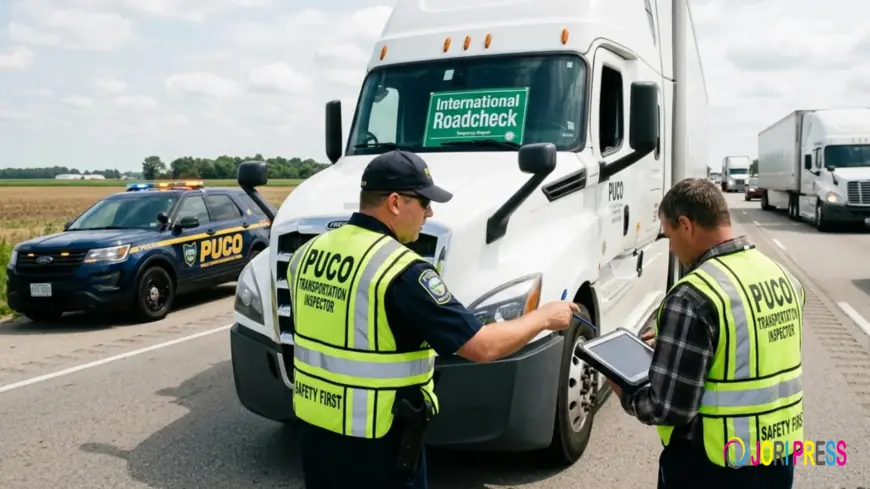
A commercial truck can look road-ready from the outside and still have a problem that requires attention. A worn brake component, damaged tire, defective light, unsecured load, or missing qualification document can turn an ordinary trip into an unexpected roadside inspection.
For professional truck drivers, understanding what happens during a DOT inspection is an important part of operating safely and maintaining compliance. These inspections are not simply paperwork exercises or opportunities to check whether a truck has visible mechanical problems. They are structured examinations designed to identify safety and regulatory violations that could put drivers, other road users, and freight operations at risk.
The term "DOT inspection" is commonly used by drivers and trucking companies to describe commercial vehicle roadside inspections. In practice, these examinations are generally conducted by authorized state, local, or other qualified enforcement personnel using procedures established under applicable commercial vehicle safety regulations and the North American Standard Inspection Program.
The inspection may focus on the driver, the vehicle, or both. Its depth depends on the inspection level, the circumstances, and the items being examined. Knowing what inspectors typically review, how violations are handled, and what drivers should do before and during an inspection can make the experience more predictable.
Why Commercial Trucks Are Stopped for Inspection
Commercial vehicles operate under safety requirements that cover driver qualifications, vehicle condition, hours of service, cargo securement, and other aspects of transportation. Roadside inspections help enforcement agencies determine whether drivers and motor carriers are following these requirements.
An inspection may occur at a designated weigh station, commercial vehicle inspection facility, roadside enforcement location, or another authorized site. Some inspections take place during targeted enforcement activities, while others are part of routine commercial vehicle safety operations.
A truck may be directed into an inspection facility because of a standard screening procedure, an enforcement initiative, a visible equipment concern, or another reason allowed under the applicable jurisdiction's procedures. Drivers should not assume that being selected for inspection means an officer has already identified a violation.
Commercial vehicle inspections also support the wider transportation industry. Identifying unsafe equipment and serious driver qualification problems can help prevent mechanical failures, crashes, and regulatory violations. Inspection information may also contribute to a motor carrier's safety monitoring and compliance history.
For drivers, the practical lesson is straightforward: an inspection can happen during an otherwise normal trip, so vehicle condition and required documents should remain in order throughout the working day.
Understanding the Different DOT Inspection Levels
Not every roadside inspection involves the same procedures. The Commercial Vehicle Safety Alliance (CVSA) establishes standardized inspection procedures that help qualified inspectors examine commercial vehicles consistently across participating jurisdictions.
The most familiar inspection levels for truck drivers are Level I, Level II, and Level III.
Level I: North American Standard Inspection
A Level I inspection is one of the most comprehensive roadside examinations. It covers both the driver and the commercial vehicle.
The driver-related portion may include examination of the commercial driver's license, applicable medical qualification documentation, record of duty status, hours-of-service compliance, and seat belt use. Inspectors may also review relevant vehicle inspection records and carrier information.
The vehicle examination covers a wide range of safety-related components. Depending on the vehicle and applicable requirements, this can include:
-
Brake systems and brake components
-
Steering mechanisms
-
Suspension systems
-
Tires, wheels, rims, and hubs
-
Headlights, brake lights, turn signals, and other required lighting
-
Windshield wipers
-
Coupling devices and fifth-wheel connections
-
Driveline and driveshaft components
-
Exhaust and fuel systems
-
Vehicle frame and structural components
-
Cargo securement
-
Trailer body and other applicable equipment
A Level I inspection can involve examining areas beneath the vehicle, measuring certain brake components, and checking equipment that cannot be evaluated through a simple walk-around.
Because the inspection covers both the driver and vehicle, preparation requires more than keeping the truck mechanically sound. The driver's records and qualifications must also be ready for review.
Level II: Walk-Around Driver and Vehicle Inspection
A Level II inspection examines the driver and vehicle but generally limits the vehicle portion to items that can be inspected without physically getting underneath the vehicle.
The inspector may review the driver's license, medical qualification information where applicable, hours-of-service records, seat belt use, and other required documents.
The exterior examination may include tires, wheels, lights, brakes and visible brake components, coupling devices, cargo securement, suspension components, and other accessible safety-related items.
Although a Level II inspection is less extensive than Level I, it should not be treated as a minor examination. Serious problems involving visible equipment or driver compliance can still be identified.
Level III: Driver/Credential/Administrative Inspection
A Level III inspection focuses on the driver and relevant records rather than conducting a comprehensive mechanical examination of the truck.
The inspector may review:
-
Commercial driver's license and applicable endorsements
-
Medical qualification documentation, when required
-
Record of duty status
-
Hours-of-service compliance
-
Seat belt use
-
Applicable vehicle inspection reports
-
Carrier identification and status
This inspection is particularly important because a mechanically sound truck does not automatically mean its driver is operating in compliance with federal requirements.
A driver may have a properly maintained vehicle but still encounter a violation involving an expired credential, incorrect license classification, hours-of-service issue, or incomplete documentation.
Other Inspection Types
There are additional inspection categories beyond the three commonly encountered levels.
A Level IV inspection is generally a special examination involving a particular item or subject. A Level V inspection covers vehicle components similar to those examined during a Level I inspection but is conducted without the driver present.
Other specialized inspection categories address particular vehicles, materials, electronic information, or post-crash circumstances.
Drivers who want to understand the official distinctions can review the inspection-level descriptions published by the Commercial Vehicle Safety Alliance (CVSA).
What Happens When a Truck Enters an Inspection Facility?
The exact sequence depends on the inspection site and inspection level, but the process generally follows an organized procedure.
After a commercial vehicle is directed into an inspection area, the inspector approaches the vehicle and identifies the purpose of the examination. The driver may be asked to secure the truck, follow instructions, and provide the requested documents.
The inspector may ask questions about the trip, including the driver's starting point, destination, cargo, and recent travel. These questions help establish relevant details about the operation.
The driver should listen carefully, answer truthfully, and avoid unnecessary arguments. If a question is unclear, requesting clarification is more useful than guessing.
For a Level I or Level II inspection, the driver may also receive instructions about preparing the vehicle for the examination. This can include positioning the truck safely, applying or releasing brakes as directed, and following hand signals or other instructions.
Some inspections require the driver to remain at the vehicle controls while the inspector examines particular components. Other procedures may require the driver to step away from certain areas.
The inspector is responsible for following the applicable safety procedures. Drivers should not independently operate controls or move the vehicle unless instructed.
Cooperation does not mean admitting to a violation. It means following lawful inspection instructions, providing accurate information, and allowing the examination to proceed safely.
The Documents an Inspector May Request
Documentation is an important part of commercial vehicle compliance. A driver should know which records apply to the operation and be able to provide them when requested.
The documents reviewed during an inspection depend on the vehicle, cargo, driver's circumstances, and applicable regulations.
Commercial Driver's License
The inspector may examine the driver's CDL to confirm its status, classification, expiration date, endorsements, and restrictions.
The license must authorize the driver to operate the particular commercial vehicle. For example, operating a combination vehicle that requires a Class A CDL with only a Class B license can create a serious qualification problem.
Applicable endorsements and restrictions also matter. A driver transporting certain hazardous materials or operating specialized equipment must hold the appropriate qualifications where required.
Medical Qualification
Drivers subject to federal physical qualification standards must meet the applicable medical requirements.
An inspector may verify the driver's medical qualification status through the relevant records or documentation. The exact verification process depends on the driver's certification category and the applicable state and federal systems.
Drivers should not assume that an old paper medical certificate is sufficient in every situation. They should understand their current medical certification status and ensure their state licensing record is accurate.
Record of Duty Status and Hours of Service
Hours-of-service compliance is another important inspection area.
Inspectors may review electronic logging device (ELD) information or other permitted records of duty status, depending on the operation and applicable exemptions.
The examination may consider driving time, on-duty time, required rest periods, available hours, and supporting documents. Inspectors may also compare recorded information with trip details or other available records.
A driver should understand how to operate the ELD, certify required records, make permitted corrections, and explain any applicable exemption.
An equipment problem involving an ELD should be handled according to the applicable rules and carrier procedures. Drivers should not create inaccurate records or attempt to conceal missing information.
Shipping Papers and Supporting Documents
When applicable, inspectors may request shipping papers, bills of lading, receipts, or other documents relevant to the transportation operation.
Hazardous materials shipments require particular attention because their documentation, markings, placards, and handling requirements are subject to additional rules.
The driver should know where required documents are kept and be able to present them without unnecessary delay.
What Inspectors Examine on the Truck
The vehicle examination is one of the most important parts of a roadside inspection. A commercial truck contains many interconnected systems, and a defect in one area can affect the safety of the entire vehicle.
Inspectors look for conditions that may violate applicable regulations or meet the relevant out-of-service criteria.
Brakes and Air Brake Systems
Brake systems receive significant attention because braking performance is essential to controlling a heavy commercial vehicle.
Depending on the inspection level, the inspector may examine brake components, air lines, hoses, chambers, pushrods, adjustment, and other relevant parts.
Visible damage, air leaks, missing components, or excessive wear can indicate problems requiring further evaluation.
Drivers operating air-brake-equipped vehicles should understand the system's basic operation, warning devices, and required inspection procedures. They should also know how to recognize signs of an air system problem before leaving a facility.
A brake warning light, abnormal pressure loss, or unusual braking behavior should never be ignored simply because the truck still appears capable of moving.
Tires, Wheels, and Hubs
Tires are exposed to constant pressure from vehicle weight, road conditions, temperature changes, and long-distance operation.
An inspector may examine tread condition, inflation-related problems, visible damage, exposed cords, sidewall defects, and other conditions that could affect safe operation.
Wheels, rims, and hubs may also be checked for cracks, missing or damaged fasteners, visible leaks, and other safety concerns.
Drivers should pay attention to unusual vibration, tire pressure warnings, irregular wear, and changes in vehicle handling. These signs may indicate a developing problem that needs attention before the next trip.
Lighting and Electrical Equipment
Required lights help other road users recognize a truck's position, movement, and intentions.
An inspection may include headlights, tail lamps, stop lamps, turn signals, clearance lamps, marker lamps, and other required lighting equipment.
Damaged wiring, loose connections, incorrect lighting colors, missing lenses, or lamps that fail to operate can result in violations.
A driver should check the lighting system before departure and report defects that affect required equipment. A light that worked during the previous trip may fail before the next one.
Steering and Suspension
Steering and suspension systems influence the truck's stability, handling, and ability to remain under control.
Inspectors may examine steering components, suspension springs, air suspension parts, mounting points, and visible damage.
Excessive looseness, broken components, missing fasteners, or other serious defects can affect vehicle safety.
Drivers should report unusual steering movement, pulling, instability, abnormal noises, or changes in ride height. These symptoms may indicate a problem requiring maintenance.
Coupling Devices and Fifth-Wheel Connections
For tractor-trailer combinations, the connection between the tractor and trailer is essential.
The inspector may examine the fifth wheel, kingpin, locking mechanism, mounting hardware, and related components. The condition of air and electrical connections between the tractor and trailer may also be reviewed.
A problem with the coupling system can create a serious separation risk. Drivers should verify that the trailer is properly connected and that the locking mechanism is secured before moving.
Cargo Securement
Cargo must be secured so that it does not shift, fall, leak, or create a hazard during transportation.
An inspector may examine tie-downs, blocking, bracing, load distribution, and other securement arrangements.
The requirements vary depending on the type of cargo and vehicle. General freight, machinery, steel, lumber, and other specialized loads may require different securement methods.
Drivers should understand their responsibility for checking the load and recognizing visible problems. A load that appears stable when the truck is stationary may move during braking, cornering, or sudden changes in speed.
Common Problems That Can Lead to an Out-of-Service Decision
Not every inspection violation results in an out-of-service order. Some violations may be documented without immediately prohibiting the driver or vehicle from continuing.
However, certain critical conditions can prevent a driver, vehicle, or cargo from being operated until the problem is corrected.
The CVSA publishes the North American Standard Out-of-Service Criteria, which identify conditions considered serious enough to require removal from service.
Examples of potential concerns include:
-
Serious brake system defects
-
Certain tire conditions that meet out-of-service thresholds
-
Unsafe steering or suspension components
-
Critical coupling device defects
-
Driver impairment or other disqualifying conditions
-
Serious hours-of-service violations
-
Missing or invalid required qualifications
-
Unsafe cargo securement
-
Other critical equipment or regulatory violations
The precise determination depends on the applicable criteria and the facts found during the inspection. A minor defect should not automatically be described as an out-of-service violation.
The CVSA Out-of-Service Criteria page explains the purpose of these standards. The criteria are updated annually, with the 2026 edition effective April 1, 2026.
For drivers, the most important point is that a vehicle should not return to operation while an applicable out-of-service condition remains unresolved.
What Happens After the Inspection?
Once the examination is complete, the inspector records the findings and explains any enforcement action that applies.
If violations are identified, the driver may receive a roadside inspection report describing the findings. The report may include equipment defects, driver-related violations, and other observations.
A report does not necessarily mean the driver has been placed out of service. Drivers should read the document carefully and understand which findings require immediate attention and which require follow-up by the carrier.
When a driver receives a roadside inspection report, federal rules generally require the driver to provide it to the motor carrier within 24 hours. If the vehicle is placed out of service, the relevant condition must be corrected before the vehicle operates again.
Under the applicable federal procedure, the motor carrier must review the report, address the violations, complete the required certification, and return the report within 15 days. The carrier must also retain a copy for the required period.
The FMCSA Safety Planner provides information about roadside inspection reports and carrier responsibilities.
Drivers should keep their own records of the inspection and communicate promptly with the safety department or fleet manager. If a repair is needed, the driver should follow the carrier's procedures and confirm that the vehicle is legally and safely cleared before resuming operation.
How Drivers Can Prepare Before Reaching a Checkpoint
The best preparation for an inspection happens before the truck enters the inspection facility.
A driver who completes thorough inspections, maintains organized records, and communicates defects early is less likely to encounter avoidable compliance problems.
A practical preparation routine should include several areas.
1. Complete a thorough pre-trip inspection.
Check the tires, lights, brakes, coupling equipment, steering, suspension, mirrors, windshield, wipers, and other required components. Look for visible leaks, loose parts, damaged equipment, and anything unusual.
2. Check the trailer connection.
Confirm that the fifth wheel is properly locked, the trailer is secure, and the air and electrical connections are correctly attached. Verify that the landing gear is fully raised and that the trailer is ready for travel.
3. Review your documents.
Make sure your CDL is valid for the vehicle being operated. Understand your endorsements and restrictions, and check applicable medical qualification information.
4. Confirm your hours-of-service records.
Ensure your ELD is functioning correctly, required records are available, and your duty status is accurate. Keep supporting documents organized as required.
5. Examine cargo securement.
Check that the load is properly distributed and secured. Pay attention to straps, chains, binders, blocking, bracing, and other equipment relevant to the shipment.
6. Report defects immediately.
If you identify a safety-related problem, follow the carrier's defect-reporting and repair procedures. Do not assume that a defect will remain harmless until the end of the trip.
7. Keep the cab organized.
A clean and organized cab makes it easier to locate documents and respond to an inspector's requests. It also helps the driver maintain a professional working environment.
How to Behave During a Roadside Inspection
A roadside inspection can interrupt a delivery schedule, but drivers should treat it as a normal part of commercial transportation.
Remain calm and professional. Follow the inspector's instructions and provide the requested documents. Answer questions accurately and avoid guessing when you do not know the answer.
If you believe an inspection finding is incorrect, you can ask for clarification and use the applicable process to challenge or review the result. Arguing at the inspection site or refusing lawful instructions is unlikely to resolve the issue.
Drivers should also pay attention to their own safety. Inspection areas may contain moving vehicles, uneven surfaces, and other hazards. Follow instructions about where to stand and when to operate vehicle controls.
Most importantly, never attempt to hide a defect or continue operating a vehicle that has been placed out of service. The potential consequences extend beyond a citation or delayed delivery.
Why Inspection Records Matter to Motor Carriers
Roadside inspections are relevant to more than the individual driver. Their findings can affect the motor carrier's safety management and compliance responsibilities.
Carriers should review inspection reports to identify recurring problems and determine whether maintenance, training, or operational procedures need improvement.
For example, repeated lighting violations may suggest that a fleet's inspection routine is not identifying defects early enough. Recurring brake-related problems may require a closer review of maintenance practices. Repeated hours-of-service violations may indicate a need for better scheduling, driver education, or supervision.
A single inspection report does not tell the entire story of a carrier's safety performance. However, inspection records can help identify patterns that deserve attention.
Drivers also benefit when companies treat inspection findings as opportunities to improve rather than simply paperwork to complete. A good safety programme should encourage early defect reporting, proper repairs, accurate records, and clear communication between drivers and management.
Final Thoughts
A DOT truck inspection is an important part of commercial vehicle safety and regulatory enforcement. Depending on the inspection level, an examiner may review a driver's qualifications and records, examine the truck's major safety systems, or conduct a more limited administrative or walk-around inspection.
For professional drivers, the best way to prepare is to maintain the vehicle properly, understand applicable regulations, keep required documents current, and report defects as soon as they are identified.
An inspection should not be viewed only as a test that drivers need to pass. It is also an opportunity to identify problems before they contribute to a breakdown, roadside emergency, or serious crash.
Ultimately, safe trucking depends on consistent attention to detail. A careful pre-trip inspection, accurate records, responsible driving, and timely maintenance all contribute to a more dependable commercial transportation system.
What's Your Reaction?
 Like
0
 Dislike
0
 Love
0
 Funny
0
 Angry
0
 Sad
0
 Wow
0