Since the beginning of human civilization, people have looked up at the night sky with curiosity and wonder. The stars have always inspired stories, myths, and questions about our place in the universe. Many ancient cultures believed that the stars were not random lights scattered across the sky but powerful symbols carrying messages about life, destiny, and the future. Even today, millions of people are fascinated by the idea that the universe might hold clues about who we are and what lies ahead. The concept that our lives may be connected to the movements of the stars is at the heart of astrology and cosmic interpretation.
The phrase “The Truth in Your Stars” reflects the belief that celestial bodies may reveal insights about personality, emotions, opportunities, and challenges. While modern science studies the stars through astronomy, astrology explores how planetary movements may influence human experiences. Whether someone views it as spiritual guidance, psychological insight, or simply an entertaining perspective, the idea that the universe communicates through cosmic patterns continues to captivate people across the world.
The Ancient Origins of Star Wisdom
Thousands of years ago, early civilizations carefully observed the night sky. Ancient cultures in Mesopotamia, Egypt, India, Greece, and China believed that the stars and planets were deeply connected to earthly events. Farmers watched the sky to determine the best time for planting and harvesting. Kings consulted astrologers before making important decisions about war, politics, or trade.
The Babylonians are often credited with creating the first organized system of astrology. They divided the sky into twelve sections, which later became known as the zodiac signs. These signs represented different constellations and were believed to influence personality traits and life paths. Over time, this knowledge spread across different civilizations, evolving into the astrological systems we know today.
In ancient India, Vedic astrology developed its own sophisticated system for interpreting the stars. It focused on planetary positions at the time of birth and used complex calculations to understand an individual’s destiny. Meanwhile, Greek scholars connected astrology with philosophy and mathematics, creating many of the principles that are still used in modern astrology.
Understanding the Zodiac
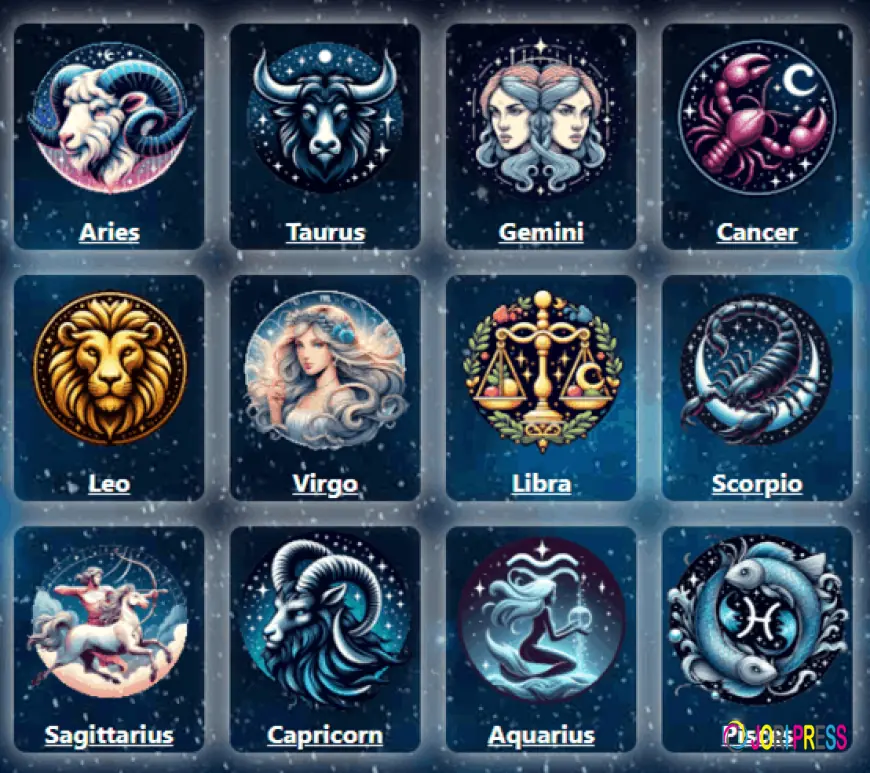
One of the most well-known aspects of astrology is the zodiac. The zodiac is a circle of twelve signs that correspond to specific periods of the year. Each sign is believed to represent different personality characteristics, emotional tendencies, and life themes.
For example, some zodiac signs are associated with creativity and passion, while others are linked to logic, stability, or leadership. People often identify strongly with the traits of their zodiac sign because they reflect common patterns of behavior and personality.
Astrologers believe that the position of the sun, moon, and planets at the time of a person’s birth creates a unique cosmic blueprint known as a birth chart. This chart acts like a symbolic map of the sky at that exact moment. According to astrology, this map may reveal strengths, weaknesses, opportunities, and challenges throughout a person’s life.
The Language of the Universe
Many believers describe astrology as the language of the universe. In this perspective, planets and stars act like symbols that communicate patterns and cycles. Just as seasons change throughout the year, cosmic movements may also reflect shifts in human energy, emotions, and circumstances.
For instance, certain planetary alignments are often associated with periods of transformation or reflection. Some astrologers suggest that these cycles encourage individuals to grow, adapt, and evolve. Instead of controlling human lives, the stars may simply highlight themes or energies that influence personal experiences.
This idea can be comforting for people who seek meaning in life’s challenges. When someone experiences difficult moments, astrology may offer a broader perspective, suggesting that hardships are part of a larger cosmic cycle.
Personal Growth Through Cosmic Reflection
One of the most valuable aspects of astrology is its role in self-reflection. Even for those who do not fully believe in cosmic influence, studying star patterns can encourage people to think more deeply about their personalities, goals, and emotional patterns.
Astrology often asks questions such as:
-
What motivates you?
-
How do you respond to stress or conflict?
-
What strengths define your character?
-
What lessons might life be trying to teach you?
By exploring these questions, individuals may develop a better understanding of themselves. In this way, astrology functions similarly to personality frameworks or psychological tools. It invites people to reflect on their choices, relationships, and aspirations.
For many individuals, the stars become a mirror that reflects inner thoughts and feelings. Instead of predicting the future with certainty, astrology can encourage awareness and personal development.
Skepticism and Scientific Perspective
Despite its popularity, astrology remains controversial. Scientists generally do not consider astrology a scientifically proven system because there is limited empirical evidence supporting the idea that planetary positions directly influence human behavior.
Astronomy, the scientific study of stars and galaxies, focuses on physical properties such as gravity, light, and cosmic formation. Astrology, on the other hand, interprets symbolic relationships between celestial patterns and human life. Because of this difference, many scientists view astrology as a cultural or psychological practice rather than a scientific discipline.
However, the enduring popularity of astrology suggests that people find value in its symbolic meanings. Even those who approach it with skepticism may still enjoy reading horoscopes or exploring their birth charts as a form of entertainment or personal reflection.
Why People Continue to Look to the Stars
The continued fascination with astrology reveals something important about human nature. People naturally seek patterns, meaning, and guidance in a complex world. The vastness of the universe reminds us that we are part of something much larger than ourselves.
Looking at the stars can inspire a sense of connection and wonder. It encourages us to ask big questions about destiny, purpose, and the mysteries of existence. Even if the stars do not literally control our lives, they can still inspire imagination, curiosity, and hope.
Astrology also provides a sense of narrative. Humans love stories, and the zodiac offers a cosmic story about personality, relationships, and personal growth. These symbolic narratives help people understand their experiences and find meaning in everyday life.
Finding Your Own Truth in the Stars
Ultimately, the truth in your stars may depend on how you choose to interpret them. Some people see astrology as spiritual guidance, while others treat it as a fun way to explore personality traits. Both perspectives can coexist because astrology often functions as a symbolic language rather than a strict science.
If you are curious about the messages hidden in the universe, exploring astrology can be an interesting journey. Reading about zodiac signs, studying birth charts, or observing planetary movements may open new perspectives about yourself and the world around you.
However, it is important to remember that personal choices, effort, and determination still shape the course of life. The stars may suggest possibilities, but they do not define your destiny.
Conclusion
The night sky has fascinated humanity for thousands of years, and its mystery continues to inspire curiosity today. “The Truth in Your Stars” represents the timeless belief that the universe might hold hidden messages about life, personality, and destiny.
Whether viewed as spiritual wisdom, cultural tradition, or symbolic storytelling, astrology reminds us to pause and reflect on the bigger picture. The stars encourage us to think beyond daily routines and consider our place in the vast cosmos.
In the end, the greatest message hidden in the universe may simply be this: life is full of possibilities, and every individual has the power to shape their own path. The stars may guide, inspire, or intrigue us, but the story of our lives is ultimately written by the choices we make here on Earth.








































 Like
0
Like
0
 Dislike
0
Dislike
0
 Love
0
Love
0
 Funny
0
Funny
0
 Angry
0
Angry
0
 Sad
0
Sad
0
 Wow
0
Wow
0