



































Toys for Kids: How to Choose Options That Truly Support Development
Toys for kids can either distract or develop essential skills. Learn how to choose options that support child development, educational play, and preschool learning.

Walk into any store or scroll online, and the number of toys for kids can feel overwhelming. Bright lights, big claims, endless categories — yet many parents still wonder: Why does my child lose interest so quickly?
The real challenge isn’t finding more toys. It’s choosing the right ones that support child development and meaningful educational play. When selected intentionally, toys can strengthen focus, creativity, and foundational skills instead of simply filling time.
In this guide, we’ll break down what actually matters and how to approach it thoughtfully.
Why Many Toys for Kids Don’t Deliver Long-Term Value
Before jumping into recommendations, it helps to understand a deeper issue.
Insight #1: Entertainment Is Not the Same as Engagement
Many modern toys are designed to entertain instantly. They flash, sing, and respond quickly. But fast stimulation often replaces imagination rather than building it.
In early childhood education, sustained attention is more valuable than short bursts of excitement. When a toy does all the thinking, children do less of it.
Insight #2: Open-Ended Play Builds Stronger Skills
Research and classroom experience consistently show that open-ended materials encourage problem-solving, language development, and creativity.
This is why Montessori learning environments prioritize simple, hands-on tools that grow with the child rather than limit them to one outcome.
Understanding these principles changes how we evaluate what belongs in our homes or classrooms.
A Practical Framework for Choosing Toys for Kids
Instead of asking “Is this popular?” try asking “What skill does this build?”
Here’s a step-by-step approach that works for parents, homeschoolers, and preschool educators alike.
Step 1: Understand the Foundation Skill
Every toy should support at least one developmental area:
-
Fine motor skills
-
Gross motor coordination
-
Early math concepts
-
Language development
-
Social-emotional growth
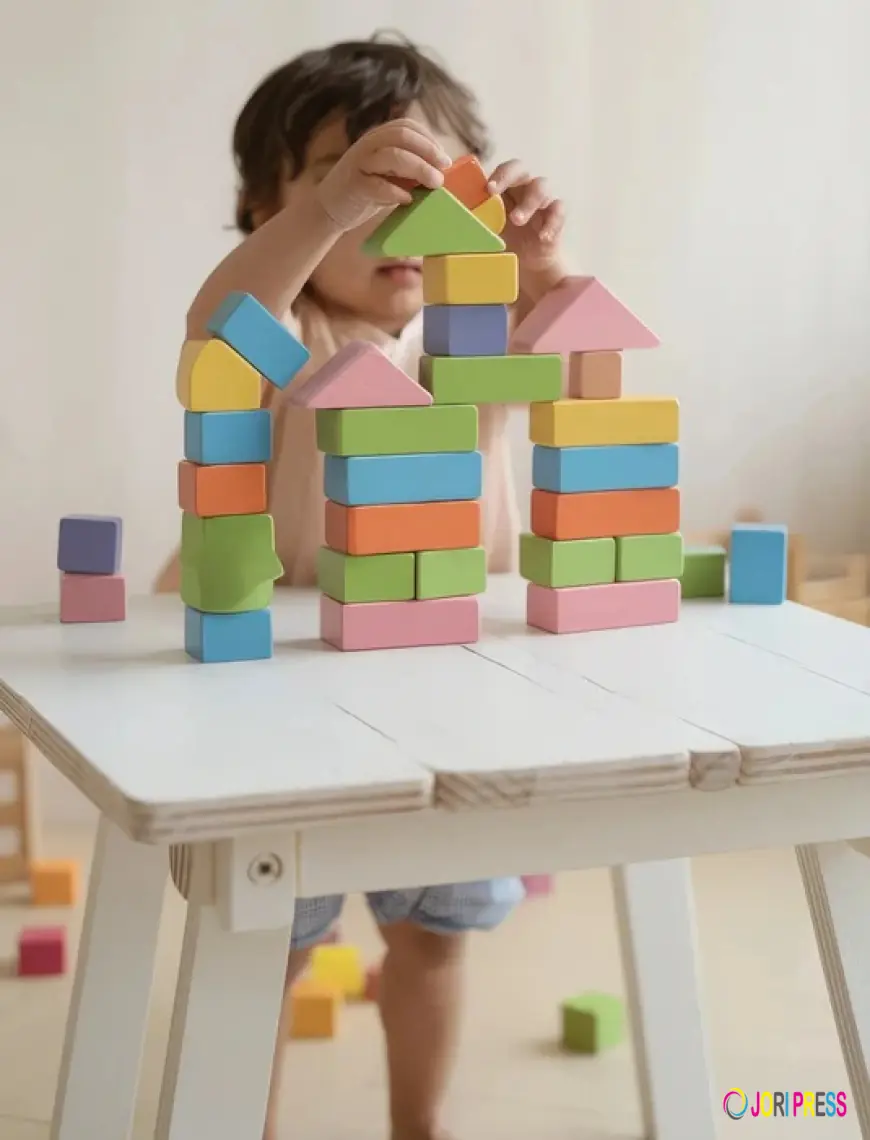
For example, building blocks strengthen spatial reasoning and persistence. Pretend-play sets develop communication and emotional understanding.
When toys align with developmental milestones, play becomes purposeful.
Step 2: Avoid Overstimulating Designs
A common mistake is choosing toys that overwhelm the senses. Loud sounds, bright flashing lights, and constant feedback can reduce independent thinking.
Instead, opt for materials that require the child to initiate action. If you're unsure how to evaluate this, this helpful resource on age-appropriate play materials explains how thoughtful design supports learning without overstimulation.
Look for simplicity. Simple doesn’t mean boring — it means flexible.
Step 3: Focus on Open-Ended Possibilities
Ask yourself: Can this toy be used in more than one way?
Examples of open-ended educational toys include:
-
Building blocks
-
Art supplies
-
Magnetic tiles
-
Dramatic play props
-
Simple puzzles
A set of blocks today becomes a castle, tomorrow a zoo, and next week a math activity. That adaptability supports long-term engagement and kids skill development.
Step 4: Rotate and Observe
In homeschooling and preschool education settings, rotation is powerful.
Instead of displaying everything at once:
-
Offer 5–8 toys at a time
-
Store the rest out of sight
-
Rotate every few weeks
Observation is key. Notice which materials hold your child’s attention. Watch how they solve problems. The goal isn’t constant novelty — it’s deeper exploration.
A Real-Life Example: Less Clutter, More Creativity
One kindergarten teacher reduced her classroom toy shelves by half. Instead of multiple plastic gadgets, she introduced:
-
A building area
-
A pretend grocery setup
-
An art station
-
A quiet puzzle corner
Within weeks, she noticed longer play sessions, more collaborative storytelling, and fewer behavior disruptions.
The difference wasn’t quantity — it was intention.
Quick, Actionable Tips for Parents and Educators
If you want immediate improvements, try this:
-
Choose quality over quantity
-
Prioritize materials that require imagination
-
Limit battery-operated toys
-
Match toys to your child’s developmental stage
-
Reassess every few months as skills grow
These small changes often make a noticeable difference in focus and independence.
Why Intentional Choices Matter More Than Trends
Parenting today comes with pressure — trending products, viral recommendations, constant upgrades. But strong early learning foundations don’t require complexity.
Whether you’re building a homeschool environment, preparing for preschool, or simply creating more screen-free time, thoughtful toys for kids can support real growth when chosen with purpose.
In the end, it’s not about having more. It’s about choosing wisely.
And when play supports curiosity, confidence, and creativity, those are skills that last far beyond childhood.
What's Your Reaction?
 Like
0
Like
0
 Dislike
0
Dislike
0
 Love
0
Love
0
 Funny
0
Funny
0
 Angry
0
Angry
0
 Sad
0
Sad
0
 Wow
0
Wow
0