































The Future of Hybrid Generator and Battery Backup Systems
Optimize backup power with hybrid technology. Integrate batteries and generators to cut fuel costs, lower emissions, and ensure uptime.

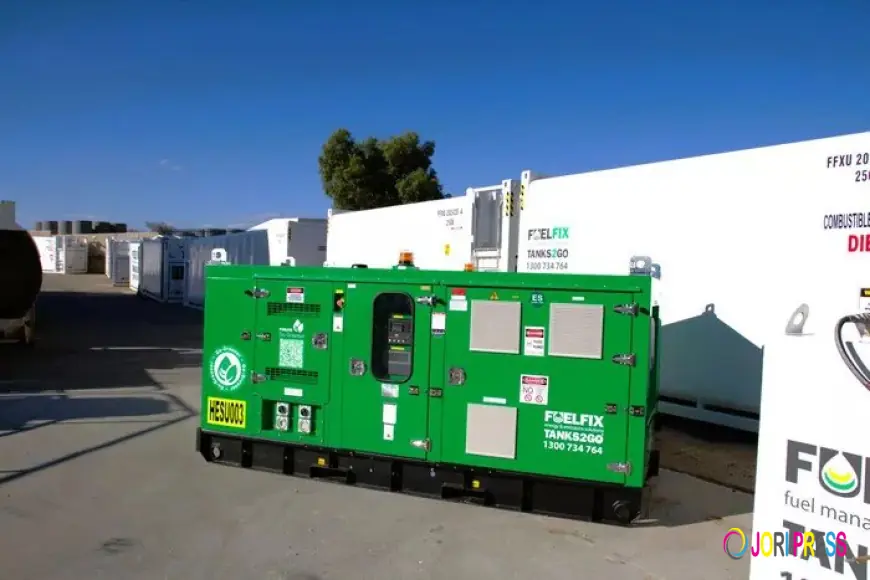
I often deal with the challenge of maintaining uninterrupted power in environments where grid instability, sudden outages, and rising energy costs are becoming more common. The problem is not just losing electricity but the operational downtime, data disruption, and financial losses that follow. Traditional diesel generators alone are no longer efficient or responsive enough for modern load demands, while standalone batteries struggle with long-duration backup needs. The solution emerging in front of me is the integration of hybrid generator and battery backup systems, where energy storage and generation work together intelligently. The benefit is clear: reduced fuel consumption, faster response during outages, lower emissions, and a more stable power supply for critical operations across residential, commercial, and industrial settings.
Why Hybrid Energy Systems Are Gaining Momentum
The shift toward hybrid energy systems is driven by several converging factors. Rising fuel costs make continuous generator usage expensive and unsustainable. At the same time, renewable integration through solar PV and wind power introduces variability into supply, increasing dependence on smart backup systems. I also see growing pressure from industries like healthcare, telecom, and data centers to maintain near-zero downtime performance.
Hybrid setups combine inverter technology, lithium-ion batteries, and diesel or gas generators to balance these demands. Smart energy management systems decide when to store energy, when to discharge batteries, and when to activate generators. This reduces unnecessary runtime and extends equipment life. In many modern microgrids, hybrid systems are becoming the default architecture rather than an optional upgrade.
How Hybrid Generator and Battery Systems Actually Work
From my perspective, the real strength of hybrid systems lies in coordination. A battery backup unit handles instant load response, filling the gap during outages within milliseconds. This ensures sensitive equipment such as servers, medical devices, or industrial controllers never experience interruption. Meanwhile, the generator activates only when battery thresholds are reached or sustained demand continues.
Load management plays a critical role here. Instead of running a generator at inefficient partial loads, the system optimizes when to operate at peak efficiency ranges. Batteries absorb fluctuations, while the generator maintains long-duration support when required. This hybrid behavior significantly reduces wear and tear on mechanical components and improves overall system reliability.
Modern setups also integrate UPS functionality directly into the architecture, eliminating the need for separate backup layers. This consolidation improves efficiency and simplifies maintenance cycles.
The Evolving Role of Smart Energy Coordination
One of the most important changes I observe in this field is the rise of intelligent control layers that coordinate energy sources in real time. These systems are no longer simple switchovers between grid, battery, and generator. They actively forecast load demand, analyze consumption patterns, and prioritize energy sources based on efficiency and cost.
In solar-integrated environments, excess PV generation is stored in lithium-ion batteries during the day. At night or during peak demand, the system draws from stored energy before activating the generator. This reduces fuel dependency and aligns with long-term sustainability goals.
Microgrid deployments are also expanding this model across campuses, industrial parks, and remote operations. These localized grids can operate independently from the main utility grid, ensuring resilience even during widespread outages.
Control Systems and Monitoring Infrastructure
A critical component that often gets overlooked is the control interface layer that ties everything together. In my experience, without proper monitoring and configuration, even advanced hybrid setups can underperform.
This is where Generator Interface Panels become essential. These panels act as the operational bridge between generators, batteries, and control systems. They provide real-time visibility into voltage, frequency, load distribution, and fuel usage. More importantly, they allow operators to fine-tune performance parameters and automate switching logic.
When I work with system integrations, I rely heavily on Generator Interface Panels to diagnose inefficiencies and optimize system behavior under different load conditions. They are not just monitoring tools but decision-enabling components that influence how the entire hybrid ecosystem responds during stress events.
Companies like roam technologies are actively contributing to this space by designing integrated energy systems that align hardware performance with intelligent control layers. Their focus on system interoperability reflects a broader industry direction toward unified energy ecosystems rather than isolated power units.
The Future Direction of Hybrid Power Architecture
Looking ahead, I see hybrid generator and battery systems becoming more predictive rather than reactive. Artificial intelligence will increasingly shape how energy is stored and distributed, especially as edge computing and IoT sensors feed continuous operational data into energy controllers.
Battery chemistry improvements, particularly in solid-state and high-density lithium variants, will extend storage duration and reduce degradation cycles. At the same time, generators will evolve to operate more efficiently at variable loads, supported by smarter inverter technology and adaptive fuel management systems.
Another significant development is the integration of carbon tracking directly into energy management dashboards. Organizations will not only monitor uptime but also measure emissions per kilowatt-hour in real time. This will influence operational decisions at a deeper level than cost alone.
Final Perspective
From my experience working around critical power systems, the future of backup energy is no longer about choosing between generators or batteries. It is about orchestrating both in a coordinated, intelligent structure that responds dynamically to demand. Hybrid systems reduce inefficiencies, improve resilience, and support a cleaner energy transition without compromising reliability.
As energy demands continue to rise and infrastructure becomes more dependent on constant uptime, hybrid generator and battery backup systems will move from being an advanced option to a standard expectation across industries.
888-966-7626 | sales@roamtechnologies.com
2268 Green Oaks Road, Fort Worth, TX 76116, US
What's Your Reaction?
 Like
0
Like
0
 Dislike
0
Dislike
0
 Love
0
Love
0
 Funny
0
Funny
0
 Angry
0
Angry
0
 Sad
0
Sad
0
 Wow
0
Wow
0