




































Shopify SEO Guide: Everything You Need to Optimize Your Shopify Store
Learn the complete Shopify SEO Guide to optimize product pages, collections, site structure, and technical SEO to boost rankings, traffic, and sales.
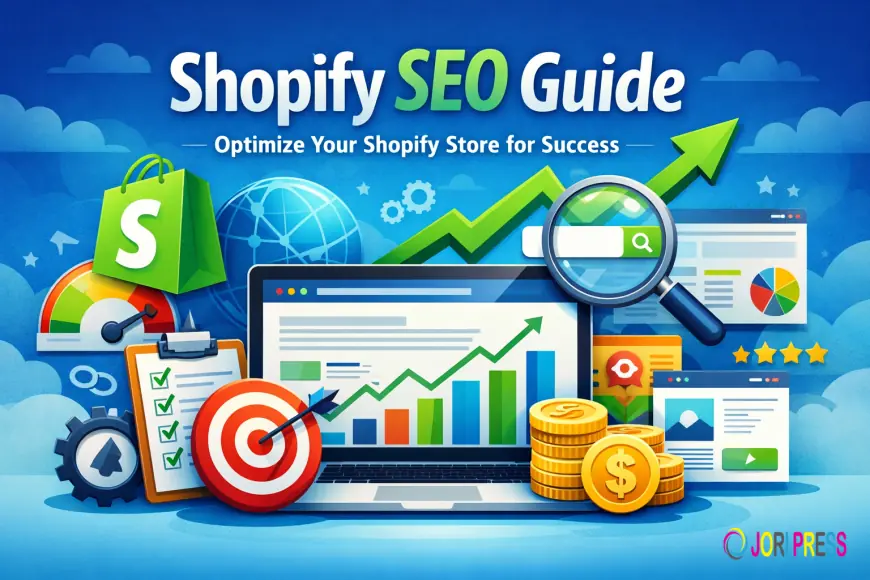
If you run an online store, organic traffic can become one of your most valuable sales channels. A well-plactured Shopify SEO Guide helps merchants understand how to improve visibility, attract qualified visitors, and turn search traffic into revenue. Shopify already offers a solid SEO foundation, but real growth comes from knowing how to optimize your store strategically.
In this Shopify SEO Guide, we will cover everything from the basics of on-page optimization to advanced technical strategies that can help your store rank better in search engines and outperform competitors.
What Is Shopify SEO?
Shopify SEO is the process of optimizing a Shopify store so search engines can crawl, understand, and rank its pages more effectively. This includes improving product pages, collection pages, blog content, images, site structure, page speed, and technical elements like schema markup and redirects.
Shopify makes some parts of SEO easier by offering built-in features such as customizable title tags, meta descriptions, mobile-friendly themes, SSL security, and automatic sitemap generation. However, these features alone are not enough to guarantee strong rankings.
A proper Shopify SEO Guide must focus on both technical setup and content strategy.
Why SEO Matters for Shopify Stores
Paid ads can deliver fast traffic, but SEO creates long-term visibility. When your products and collections rank well in Google, you can generate consistent traffic without paying for every click.
SEO for Shopify matters because it helps you:
- attract buyers who are actively searching for your products
- reduce dependence on paid advertising
- improve brand trust and authority
- increase conversions from high-intent search traffic
- create a stronger long-term marketing asset
A strong Shopify SEO Guide is not just about rankings. It is about building a store that search engines trust and customers enjoy using.
Start With Keyword Research
Keyword research is the foundation of any successful SEO strategy. Before optimizing your pages, you need to understand what your target audience is searching for.
For Shopify stores, keywords usually fall into three main groups:
Product keywords
These are specific searches related to individual products, such as:
- leather laptop bag
- organic face serum
- handmade ceramic mug
Collection keywords
These are broader searches that often match category or collection pages, such as:
- women’s sneakers
- vegan skincare products
- modern wall art
Informational keywords
These are blog-focused searches that support the customer journey, such as:
- how to clean leather bags
- best skincare routine for dry skin
- how to decorate a small apartment
A complete Shopify SEO Guide should always separate keyword intent by page type. Product pages should target highly specific buying terms, while collection pages should target broader commercial keywords.
Optimize Your Shopify Site Structure
Site structure plays a major role in ecommerce SEO. Search engines and users both prefer websites that are easy to navigate.
Your Shopify store should follow a simple structure:
Homepage → Collection Pages → Product Pages
This helps search engines understand the relationship between your pages and makes it easier for visitors to find what they need.
Best practices for store structure include:
- keep your main collections accessible from the main navigation
- avoid creating too many unnecessary subcategories
- use clear and descriptive menu labels
- make sure important pages are reachable within a few clicks
- use breadcrumb navigation where possible
Any serious Shopify SEO Guide should stress the importance of structure because even great content can underperform on a poorly organized website.
Optimize Shopify Product Pages
Product pages are some of the most important SEO assets in your store. They target highly transactional keywords and often bring in visitors who are ready to buy.
To optimize product pages effectively, focus on the following areas.
Write unique product titles
Your product title should be clear, descriptive, and include your target keyword naturally. Avoid stuffing keywords or using vague names that do not describe the product.
For example:
- Good: Men’s Black Leather Wallet
- Weak: Premium Wallet Style 004
Create original product descriptions
Do not use manufacturer descriptions or duplicate copy from suppliers. Write unique descriptions that explain benefits, features, materials, sizing, usage, and care instructions.
A strong product description should answer the customer’s questions while also giving search engines more context about the page.
Optimize product images
Use high-quality images with descriptive file names and alt text. Image optimization can improve accessibility and help your products appear in image search results.
For example:
- file name: black-leather-wallet-men.jpg
- alt text: men’s black leather wallet with slim design
Add trust-building content
Strong product pages often include:
- reviews
- FAQs
- shipping information
- return policy details
- size guides
- related product recommendations
A practical Shopify SEO Guide should always recommend improving the full product experience, not just inserting keywords.
Optimize Collection Pages
Collection pages are often the best pages to rank for broader commercial keywords. For example, if someone searches for “women’s summer dresses,” Google is more likely to show a category or collection page than a single product page.
To optimize collection pages:
Use keyword-focused collection titles
Your collection title should clearly describe the category.
Write collection descriptions
Many Shopify stores ignore collection descriptions, which is a missed opportunity. Add a short introduction that explains the category and naturally includes relevant keywords.
Add supporting content
Where appropriate, expand collection pages with useful information such as:
- style tips
- buying advice
- materials or product differences
- usage suggestions
Improve internal linking
Link related collections together. This helps search engines understand your site hierarchy and helps users discover more products.
A complete Shopify SEO Guide should place heavy emphasis on collection page optimization because these pages often drive the biggest non-branded traffic gains.
Improve On-Page SEO Elements
On-page SEO refers to the visible and code-level elements that help search engines understand your pages.
Title tags
Each page should have a unique title tag that includes the target keyword naturally. Keep it clear and compelling.
Example:
Shopify SEO Guide | How to Optimize Your Shopify Store
Meta descriptions
Meta descriptions do not directly improve rankings, but they can improve click-through rates by making your search snippets more attractive.
Headings
Use one clear H1 per page and organize content with H2 and H3 subheadings. Proper heading structure makes content easier to read and easier for search engines to interpret.
URLs
Keep URLs short, clean, and descriptive. Avoid unnecessary words, numbers, or symbols.
Example:
- good: /collections/womens-sneakers
- weak: /collections/category-123-best-items-now
Every strong Shopify SEO Guide should include on-page basics because these are simple improvements that can produce measurable results.
Create Valuable Blog Content
Blogging is a powerful way to target informational keywords and bring top-of-funnel visitors into your store.
A Shopify blog can help you:
- rank for long-tail searches
- educate potential customers
- support collection and product pages with internal links
- build topical authority in your niche
Examples of useful blog content include:
- buying guides
- product comparisons
- how-to articles
- gift guides
- seasonal trend posts
- care and maintenance tips
For example, if you sell skincare products, blog topics might include:
- how to build a simple skincare routine
- best ingredients for sensitive skin
- how to choose a face serum
A high-quality Shopify SEO Guide should explain that blog content works best when it supports commercial pages, not when it exists in isolation.
Strengthen Internal Linking
Internal linking is one of the most underrated parts of ecommerce SEO. It helps distribute authority across your store and tells search engines which pages matter most.
Smart internal linking strategies include:
- linking from blog posts to relevant product and collection pages
- linking from collection pages to related categories
- linking from product pages to complementary items
- linking key pages from the homepage
- using breadcrumbs to reinforce site hierarchy
If your store has strong pages that are not linked well internally, they may struggle to rank. That is why every detailed Shopify SEO Guide should include internal linking as a core strategy.
Focus on Technical SEO
Shopify handles some technical SEO automatically, but there are still areas that deserve attention.
Mobile optimization
Most ecommerce traffic comes from mobile users. Choose a responsive theme and make sure your site is easy to browse on smaller screens.
Site speed
Slow stores can hurt both rankings and conversions. Common causes of poor performance include:
- oversized images
- too many apps
- bloated themes
- unnecessary scripts
- auto-playing media
Duplicate content
Duplicate content can appear on Shopify stores through product variants, collection paths, tags, or copied descriptions. Keep your content as original as possible and avoid creating multiple pages targeting the same keyword.
Broken links and redirects
If you change URLs or remove products, use redirects properly so users and search engines do not hit dead ends.
A practical Shopify SEO Guide should remind merchants that technical health supports every other part of SEO.
Use Schema Markup
Schema markup helps search engines better understand your content. For Shopify stores, product schema is especially valuable because it can enhance how your listings appear in search results.
Useful schema types for Shopify include:
- Product
- Breadcrumb
- Organization
- Article
- FAQ
Product schema can help search engines display information such as:
- price
- availability
- reviews
- ratings
A more advanced Shopify SEO Guide should include schema because it helps your pages qualify for richer search appearances.
Optimize Images for SEO
Image SEO is often ignored in ecommerce, but it can make a real difference.
To optimize images:
- compress file sizes for faster loading
- use descriptive file names
- add accurate alt text
- avoid uploading unnecessarily huge files
- maintain strong visual quality for users
Since product images are a core part of the shopping experience, image optimization improves both SEO and usability.
Avoid Common Shopify SEO Mistakes
Many Shopify stores underperform because they repeat the same avoidable mistakes.
Here are some of the most common ones:
- using duplicate product descriptions
- leaving collection pages with no written content
- targeting the same keyword on multiple pages
- ignoring internal linking
- relying only on homepage SEO
- installing too many apps that slow the site
- neglecting blog content
- failing to optimize images
- forgetting redirects after URL changes
Any good Shopify SEO Guide should help merchants avoid these mistakes before they become serious growth barriers.
Advanced Shopify SEO Strategies
Once your basics are in place, you can move into more advanced strategies.
Build topic clusters
Create groups of related content around your main categories. For example, if you sell coffee products, you might have:
- a collection page for coffee beans
- product pages for specific blends
- blog posts on brewing methods, roast levels, and grinder tips
This strengthens topical relevance and creates more internal linking opportunities.
Refresh underperforming pages
Not every SEO gain comes from new content. Updating old collection pages, rewriting weak product descriptions, and improving blog posts can often produce faster results.
Target long-tail keywords
Long-tail keywords are usually less competitive and more conversion-focused. These are ideal for Shopify stores because they attract buyers with specific intent.
Example:
- broad keyword: office chair
- long-tail keyword: ergonomic office chair for small spaces
Create comparison and buying guide content
Content that helps shoppers compare options often performs very well in ecommerce. It also moves users closer to purchase decisions.
A well-developed Shopify SEO Guide should show merchants how to move beyond basic optimization into strategic content and category growth.
Measure Your SEO Performance
SEO should always be measured. Without tracking, it is difficult to know what is working and where to improve.
Key metrics to monitor include:
- organic traffic
- keyword rankings
- click-through rate
- indexed pages
- bounce rate
- conversion rate from organic traffic
- top-performing landing pages
Review which collection pages, product pages, and blog posts are attracting search traffic. Then optimize your winners further and improve the pages that are close to ranking better.
Final Thoughts
A complete Shopify SEO Guide is about more than inserting keywords into product pages. It is about building a store that search engines can understand and customers can trust.
Shopify gives merchants a strong starting point, but meaningful SEO results come from consistent work across keyword research, site structure, on-page optimization, content strategy, technical health, and user experience.
If you want long-term organic growth, focus on the fundamentals first. Optimize your collection pages, improve your product content, strengthen internal linking, publish useful blog posts, and keep your store technically clean.
That is how a real Shopify SEO Guide should be applied: not as a one-time task, but as an ongoing strategy for sustainable ecommerce growth.
What's Your Reaction?
 Like
0
Like
0
 Dislike
0
Dislike
0
 Love
0
Love
0
 Funny
0
Funny
0
 Angry
0
Angry
0
 Sad
0
Sad
0
 Wow
0
Wow
0