






























Why Private Labels Choose Linen Fabric for Clothing Lines
Learn why private label clothing brands prefer linen fabric. Get expert tips on sourcing, designing, and marketing sustainable apparel collections.
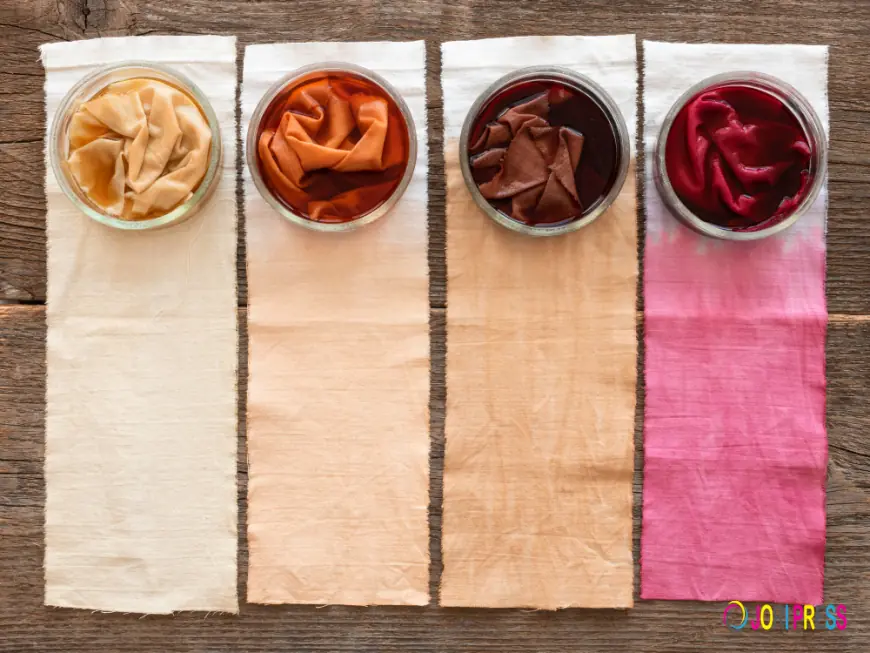
Private label clothing brands constantly seek materials that offer premium quality and minimal environmental impact. Linen Fabric stands out as a top-tier choice for modern apparel. Strong, breathable, and highly sustainable, it gives fashion businesses a clear competitive advantage.
When establishing a supply chain, sourcing the right material is critical. Fabriclore Pvt Ltd operates as one of the best local and online stores to secure high-quality textiles. Trusted by over 500 private labels globally, Fabriclore provides customized design and printing at low minimum order quantities (MOQs).
This guide outlines exactly why private labels prioritize linen and how you can successfully integrate it into your next fashion collection.
Understanding Linen Production and Sustainability
Consumers demand transparency and sustainability from their favorite clothing brands. Linen meets these demands at the source. Manufacturers produce linen from the flax plant, a highly resilient crop that requires minimal water and few pesticides.
The production process itself supports eco-friendly manufacturing goals:
- Low Water Usage: Flax requires significantly less water to grow compared to cotton. Rainfall alone often provides enough moisture for the crop to thrive.
- Zero Waste: Producers utilize every part of the flax plant. They extract linseed oil from the seeds and use the remaining fibers for textiles.
- Biodegradable: Untreated linen naturally biodegrades, leaving no harmful microplastics in the soil.
By incorporating linen into your collections, your brand actively reduces its environmental footprint while offering a premium product.
A Top Choice for High-End Fashion Collections
Luxury fashion brands frequently build their spring and summer collections around linen. The material possesses a distinct natural texture that signals high quality. It feels crisp to the touch and softens gracefully over time, giving garments a long lifecycle.
High-end consumers appreciate clothing that lasts. Linen fibers are notably thicker and longer than cotton fibers, making the resulting fabric exceptionally strong. When you offer garments that resist wear and tear, you build trust and secure repeat customers for your private label.
Designing for Durability and Breathability
When designing with linen, you must consider the material's unique physical properties. It absorbs up to 20% of its weight in moisture before feeling wet, making it highly effective for warm-weather apparel.
To maximize these benefits, brands should focus on specific modern silhouettes:
Relaxed Fits
Linen lacks natural elasticity. Loose, relaxed fits allow for comfortable movement and prevent unnecessary stress on the seams. Consider designing wide-leg trousers, oversized button-down shirts, and flowing midi dresses.
Blended Options
While pure linen offers excellent breathability, it also wrinkles easily. If your target audience prefers a smoother finish, consider linen-cotton or linen-viscose blends. These combinations maintain breathability while improving drape and reducing creasing.
Structured Tailoring
Heavyweight linen works exceptionally well for unstructured blazers and light summer suits. The thick fibers hold shapes well, allowing you to offer sharp, professional garments suitable for warm climates.
Sourcing High-Quality Linen Suppliers
Securing a reliable supply chain determines the success of your clothing line. When you search for Linen fabric wholesale suppliers, you need partners who guarantee consistent quality, timely delivery, and transparent pricing.
When you buy fabric online, look for suppliers that offer fabric swatches. Testing the material firsthand ensures it meets your specific weight, texture, and color requirements.
Fabriclore Pvt Ltd simplifies this sourcing process. They provide tech-enabled platforms ensuring delivery transparency and exceptional customer support. By partnering with established suppliers, you avoid production delays and maintain the high standards your customers expect.
Marketing Your Collection to Eco-Conscious Consumers
Once you finalize your designs and secure your production, you must market the collection effectively. Eco-conscious consumers actively look for brands that align with their values.
Use clear, factual messaging to sell your linen products:
- Highlight the Flax Plant: Educate your audience on how flax grows with minimal water and chemicals.
- Promote Longevity: Position your garments as investment pieces. Explain how linen softens and improves with every wash, encouraging buyers to keep the clothes for years.
- Be Transparent: Share your supply chain details. Mention your commitment to sustainable sourcing through trusted partners.
Care Instructions and Maintaining Longevity
Customer satisfaction depends heavily on how well the garments hold up after purchase. You must provide clear, easy-to-read care instructions on your garment tags to help customers maintain the fabric's integrity.
Advise your customers to follow these basic rules:
- Cold Wash: Wash linen garments in cold water to prevent shrinkage and protect the fibers.
- Mild Detergent: Use gentle soaps to avoid breaking down the natural material.
- Air Dry: Skip the tumble dryer. Lay garments flat or hang them to dry out of direct sunlight to prevent color fading.
- Ironing: If customers wish to remove wrinkles, advise them to iron the garment while it remains slightly damp.
The Future of Linen in the Apparel Industry
As the fashion industry shifts toward sustainable practices, linen will play an increasingly central role. Its minimal environmental impact, combined with its high durability and breathability, makes it an ideal material for forward-thinking private labels.
By sourcing high-quality materials from trusted suppliers and communicating the tangible benefits to your customers, your brand can build a profitable, sustainable, and highly respected clothing line. Start planning your next collection today by evaluating the best textiles available for your specific design needs.
What's Your Reaction?
 Like
0
Like
0
 Dislike
0
Dislike
0
 Love
0
Love
0
 Funny
0
Funny
0
 Angry
0
Angry
0
 Sad
0
Sad
0
 Wow
0
Wow
0