










































Why Mechanical Watches Are Finding a New Audience in the Digital Age

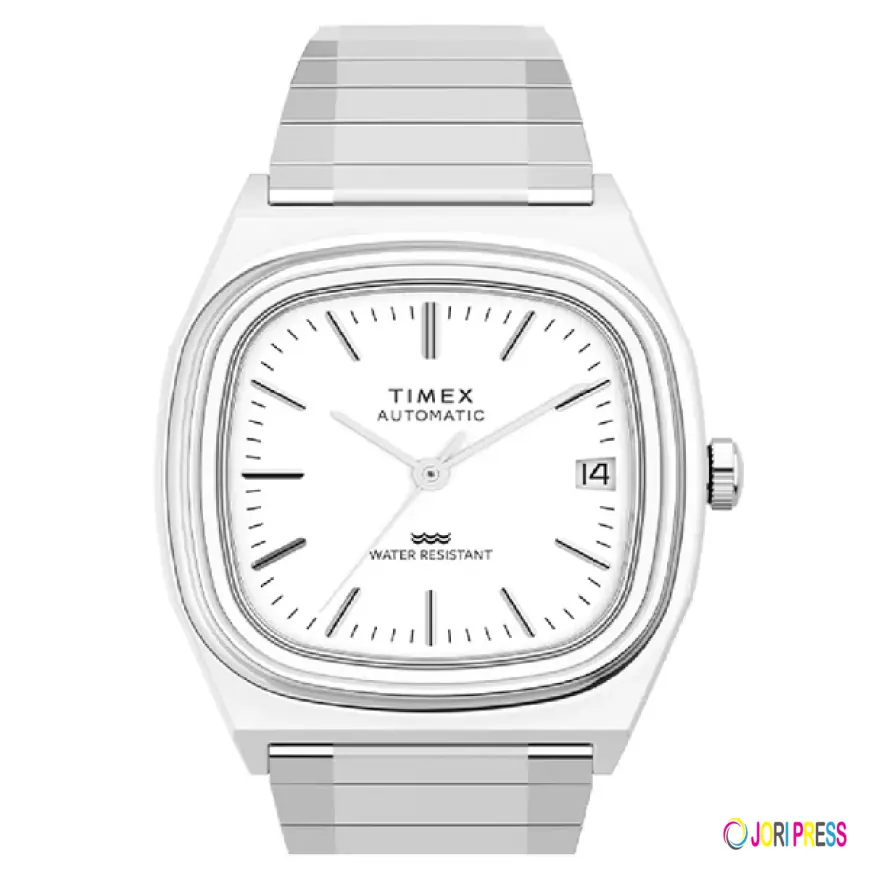
A mechanical watch has a charm that goes beyond telling the time. Take a closer look at its dial, and there’s a whole system of tiny gears, springs, and levers working together beneath it. Unlike a quartz watch, which relies on a battery, a mechanical watch runs on a wound spring. That little detail is part of what makes it interesting. You’re wearing something powered by a mechanism that has been refined over generations, not just another device to check the time. That’s part of the attraction for anyone curious about how things work, or drawn to traditional watchmaking.
In this guide, we’ll go over how mechanical watches work, what to think about before buying one, and whether it’s a good fit for your day-to-day.
What Makes a Mechanical Watch Different?
Mechanical watch: A watch that is powered by a wound-up spring (not a battery). The gears inside the watch control how fast the energy stored in the spring is released to move the hands.
How Every Tick Operates
This puts energy into the mainspring. The energy is passed by a gear train to the escapement mechanism, which releases it in very small, even steps. It swings back and forth and governs the rate of each step, producing the familiar tick and keeping the hands moving at a uniform rate.
Mechanical vs Automatic: Understanding the Difference
Mechanical watches come in two forms. A manual-wind model needs its crown turned regularly. An automatic watch is also mechanical, but it adds a rotor that swings with the motion of the wrist and winds the mainspring as you move. The movement works the same way in both.
Why Traditional Watchmaking Still Appeals Today
Three reasons explain why mechanical watches for men and women continue to draw interest.
Visible engineering: Many automatic watches have an exhibition case back. Even without one, a smooth, sweeping seconds hand gives a hint of what’s moving inside. Once you understand the mechanism, you tend to look at the dial differently.
A more focused experience: A conventional watch tells you the time and nothing more. No notifications, messages or app alerts show up, so a quick glance doesn’t pull you into anything else.
Personal significance: A watch picks up meaning from the life around it, whether that’s a first job, a milestone, or a gift. That attachment comes from the owner’s experience, not just the movement. People sometimes choose automatic watches for men to mark moments like these.
From the Office to the Weekend: Where Mechanical Watches Fit
A clean dial on a leather strap suits the office and smart-casual outfits. The Timex Marlin Tonneau 36mm Black Dial Mechanical Automatic Men’s Watch takes this approach, with a 36mm polished gold-tone stainless-steel cushion case, Breguet numerals, and a brown leather strap. A steel bracelet or a more distinctive dial pushes a watch toward relaxed outfits and evenings out. The Timex Rectangle 34mm Green Dial Mechanical Automatic Men’s Watch, with its sunray dial and expansion band, is one example.
Each watch’s design decides where it works best. No single style fits every occasion among men’s automatic wristwatches, so check the case size against your wrist, how easily the dial reads at a glance, and whether the strap stays comfortable through a full day.
What to Know Before Choosing an Automatic Watch
Are automatic watches practical for everyday use? For many people, they are, as long as the trade-offs suit them. Regular wear keeps an automatic watch wound, but it still needs some care.
Wearing habits: If an automatic watch sits off the wrist longer than its power reserve lasts, it will stop, and you’ll need to reset it.
Accuracy: Mechanical watches usually need their time adjusted more often than quartz watches do.
Maintenance: The movement needs proper care and a periodic service, following the manufacturer’s guidance.
Comfort and design: Case dimensions, weight, strap material, and dial readability matter as much as looks. This is especially true of automatic watches for men who plan to wear one all day.
A quartz watch is the better fit if you want minimal upkeep. An automatic watch suits people who value the mechanism and accept the routine that comes with it. Neither is better in every respect.
A Modern Take on Traditional Watchmaking
Timex’s current Indian catalogue shows traditional watch design sitting alongside contemporary taste. The American brand has a long history in watchmaking, and its automatic styles span ranges such as Marlin, Waterbury and Q Timex. Familiar shapes like tonneau and rectangular cases are paired with finishes that work in a present-day wardrobe.
If you’re exploring the category, Timex automatic watches for men are a practical reference for how traditional ideas look in a modern automatic watch.
The Appeal Goes Beyond Telling Time
A mechanical watch asks more of you than a battery-powered one. You need to wear or wind it regularly, get it serviced now and then, and put up with some drift in accuracy. In return, you get a visible link to craftsmanship at a time when most timekeeping happens on a screen.
Whether it’s right for you depends on your lifestyle and taste, not on prestige. Let comfort, legibility, and design lead the decision. The mechanism is a bonus if you enjoy it.
What's Your Reaction?
 Like
0
 Dislike
0
 Love
0
 Funny
0
 Angry
0
 Sad
0
 Wow
0