



































Non-Surgical Aesthetic Treatments: What You Need to Know Before Booking in the UK
The aesthetic medicine industry in the United Kingdom has undergone a remarkable transformation over the past decade.
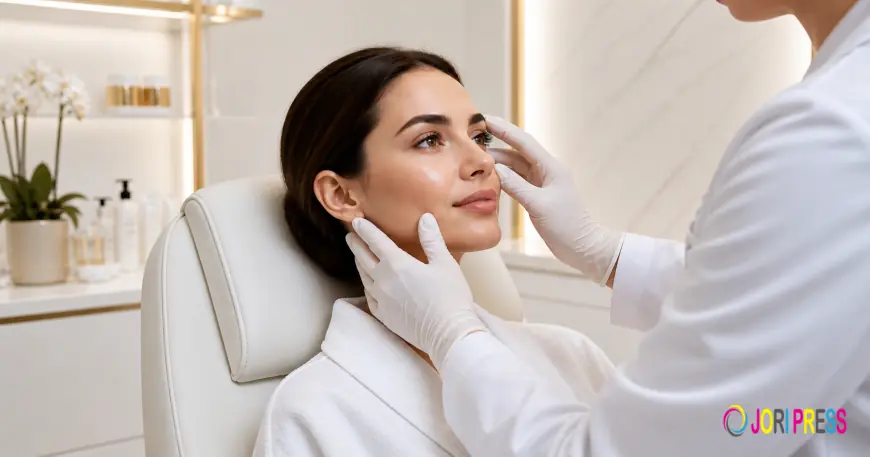
The aesthetic medicine industry in the United Kingdom has undergone a remarkable transformation over the past decade. Where surgical procedures once dominated conversations around facial rejuvenation and body contouring, a new wave of minimally invasive treatments has emerged, offering impressive results without the risks, recovery time, or cost associated with going under the knife.
Whether you're considering dermal fillers for the first time or exploring advanced options like a non-surgical rhinoplasty, understanding what these treatments involve, and how to choose the right practitioner, is essential.
The Rise of Non-Surgical Aesthetics
Non-surgical aesthetics is no longer a niche market. According to industry reports, the UK aesthetic market is one of the fastest-growing in Europe, driven by a growing public appetite for safe, effective, and accessible cosmetic enhancements. Treatments like anti-wrinkle injections and hyaluronic acid fillers have become almost mainstream, while more advanced procedures, PDO thread lifts, Morpheus8 radiofrequency, and HIFU facials, are gaining significant traction among patients seeking longer-lasting results.
The appeal is straightforward: minimal downtime, natural-looking outcomes, and the ability to reverse or adjust results in many cases. But with this growth has also come a proliferation of unqualified practitioners and cut-price clinics that prioritise volume over safety. This makes choosing the right provider more important than ever.
Understanding the Most Popular Treatments
Dermal Fillers
Hyaluronic acid dermal fillers remain the cornerstone of non-surgical facial rejuvenation. They work by restoring lost volume, smoothing deep-set lines, and sculpting facial contours, from cheekbones and jawlines to lips and tear troughs. Results typically last between 6 and 18 months, depending on the product used and the area treated.
Advanced techniques like the 8-Point Face Lift have elevated what's possible with fillers. Rather than treating isolated areas, this holistic approach addresses multiple facial zones simultaneously, lifting, volumising, and contouring the entire face to achieve a refreshed, youthful appearance that looks entirely natural.
Non-Surgical Rhinoplasty
One of the most technically demanding filler treatments, a non-surgical rhinoplasty uses precisely placed hyaluronic acid to reshape the nose without surgery. Bumps can be smoothed, tips lifted, and symmetry improved, all within a 20-minute appointment. When performed by an expert, the results can be genuinely transformative, and the procedure carries none of the risks or recovery associated with surgical rhinoplasty.
Energy-Based Skin Treatments
Technologies like Morpheus8, CO2 laser resurfacing, and HIFU (High-Intensity Focused Ultrasound) represent the cutting edge of non-surgical skin tightening. These treatments stimulate collagen production deep within the skin, improving texture, tone, and laxity over time. They are particularly popular among patients looking to address early signs of ageing without committing to surgery.
Body Contouring
Fat dissolving injections, such as DESOBODY and Lemon Bottle, offer a non-surgical solution to stubborn fat pockets that resist diet and exercise. Unlike older formulations, modern fat-dissolving treatments are designed to be both effective and comfortable, with minimal downtime. For those looking to build muscle definition alongside fat reduction, treatments like Emsculpt Neo are increasingly popular.
What to Look for in a Practitioner
This is where many patients go wrong. The UK currently has a complex regulatory landscape around aesthetic treatments, while the government has introduced stricter licensing requirements in recent years, the market still contains a mix of highly qualified clinicians and those with minimal training.
Here's what you should be asking before booking any treatment:
Qualifications and training. Look for practitioners with a background in medicine, dentistry, or nursing, supplemented by advanced aesthetic training. Certifications from recognised bodies and evidence of ongoing education are positive indicators.
Portfolio and reviews. Authentic before-and-after photographs and patient testimonials provide real insight into a practitioner's skill and aesthetic sensibility. Be wary of clinics that cannot or will not show you evidence of their work.
Consultation quality. A good practitioner will spend time understanding your goals, explaining your options honestly, and, crucially, telling you if a treatment is not appropriate for you. High-pressure sales tactics or practitioners who immediately agree to everything you ask for are red flags.
Clinic environment. Treatments should be performed in a clinical, hygienic environment with access to emergency medication such as hyaluronidase (used to dissolve fillers if complications arise).
Clinics like Deep Aesthetics, operating across Birmingham and London, exemplify the standard patients should expect: medically trained practitioners, a rigorous consultation process, and an artistic approach guided by principles like the Golden Ratio to ensure results are harmonious and natural-looking rather than overdone.
The Importance of a Personalised Approach
Perhaps the most significant shift in high-quality aesthetic practice is the move away from a one-size-fits-all mentality. The best results come from a practitioner who treats each face as unique, analysing bone structure, facial proportions, skin quality, and individual goals before recommending any treatment.
This is particularly evident in specialist areas like facial masculinisation, where the objective is to enhance traditionally masculine features, a stronger jawline, more defined cheekbones, a sharper chin, using dermal fillers and other techniques. It requires both clinical precision and a refined understanding of facial aesthetics to achieve results that look intentional and powerful rather than artificial.
Similarly, treatments addressing concerns like sagging jowls, under-eye hollows (tear trough correction), or menopausal skin changes demand a nuanced, holistic approach rather than a simple product application.
Managing Expectations
Non-surgical treatments are powerful, but they are not magic. Results depend on the skill of the practitioner, the quality of products used, and how well the treatment is suited to the patient's anatomy and goals. A good clinician will set realistic expectations from the outset, explain what can and cannot be achieved, and build a long-term treatment plan rather than encouraging excessive or unnecessary interventions.
It's also worth understanding that most results are temporary. Fillers dissolve over time, energy-based treatments require maintenance sessions, and the ageing process continues regardless. The goal of a well-executed aesthetic plan is not to freeze time, but to ensure you look consistently refreshed, healthy, and like the best version of yourself.
Final Thoughts
The UK's non-surgical aesthetics sector offers genuine opportunities for patients to look and feel their best, safely, effectively, and without surgery. But realising those opportunities depends on making informed choices: understanding the treatments available, knowing what to look for in a provider, and approaching the process with realistic expectations.
Do your research, prioritise safety over price, and seek out practitioners who combine clinical expertise with genuine artistic vision. When you find the right clinic, the results speak for themselves.
Author Bio: This article was written by a health and beauty content specialist. For more information on advanced non-surgical aesthetic treatments in Birmingham and London, visit Deep Aesthetics(deepaesthetics.co.uk/).
Useful Resources
If you're considering non-surgical aesthetic treatments in the UK, the following resources may be helpful:
-
deepaesthetics.co.uk/
-
deepaesthetics.co.uk/8-point-face-lift/
-
deepaesthetics.co.uk/non-surgical-rhinoplasty/
-
deepaesthetics.co.uk/masculinisation/
-
deepaesthetics.co.uk/fat-dissolving/
What's Your Reaction?
 Like
0
Like
0
 Dislike
0
Dislike
0
 Love
0
Love
0
 Funny
0
Funny
0
 Angry
0
Angry
0
 Sad
0
Sad
0
 Wow
0
Wow
0