





































Local Gov't PS. Kumumanya Urges Greater Masaka Local Governments to Boost Local Revenue Mobilisation

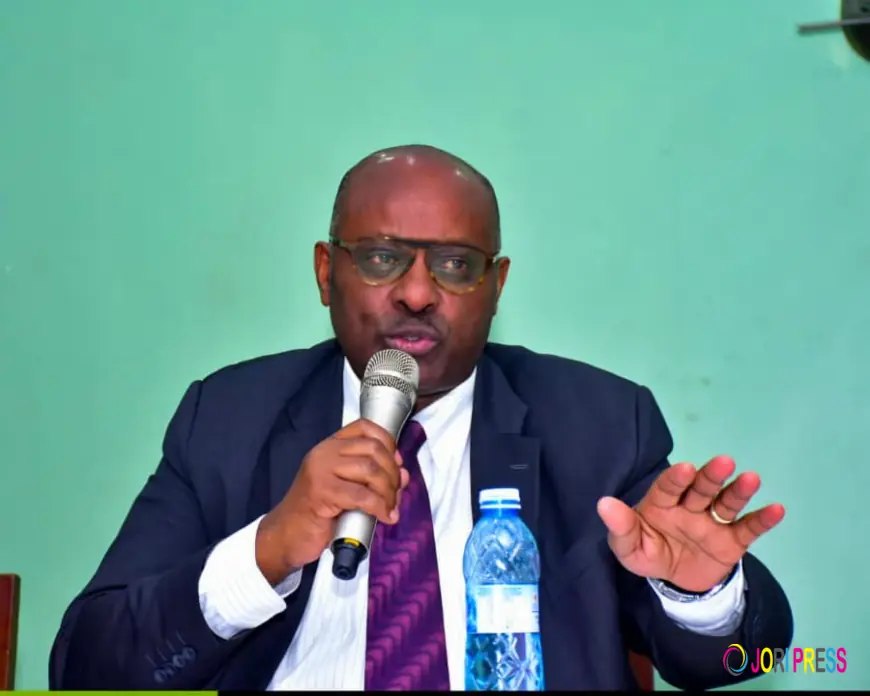
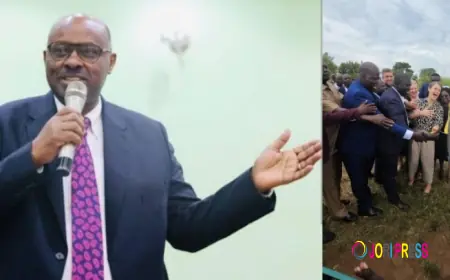
MASAKA — The Permanent Secretary in the Ministry of Local Government, Ben Kumumanya, has called on local governments to strengthen their capacity to identify and collect local revenue to drive sustainable service delivery and local development.
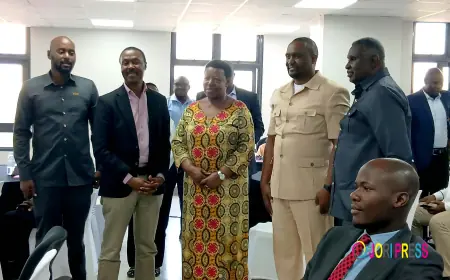
The message was delivered on his behalf by Ruth Gyayo, Principal Inspector in the Ministry of Local Government, during the closing ceremony of a five-day Local Revenue Enhancement Plan Training Workshop held at Hotel Brovad in Masaka City. The training ran from September 28 to October 2, 2026.
Moving From Training to Action:
Addressing economic planners and finance managers from the Greater Masaka Subregion, Kumumanya stressed that fiscal decentralisation was meant to empower local governments to finance their own growth rather than rely permanently on central government transfers.
"Local revenue is an important component of Local Government financing and contributes to the sustainability of service delivery and local development," Kumumanya noted. "We must therefore strengthen our capacity to identify revenue opportunities, mobilise available revenue and manage it transparently."
He urged participants to transition immediately from theoretical planning to practical implementation, warning that performance contract renewals will be tied directly to a local government's ability to hit its collection targets.
Tackling Data Gaps and Digitisation:
The workshop exposed persistent challenges across local councils, including poor data management, reliance on manual collection systems, weak enforcement, and limited accountability.
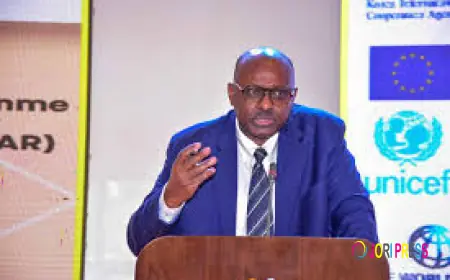
Financial management consultant Patrick Kandole, who facilitated the sessions, noted that effective collection begins with complete taxpayer identification.
"You cannot collect what you cannot identify," Kandole said, urging local authorities to digitize revenue streams, build reliable digital registers, and map property valuations, public markets, and local tourism assets.
Kumumanya also advised leaders to curb the cost of collection—noting that spending more to collect a tax than the tax itself generates is counterproductive—and to hold regular public barazas to show taxpayers how their money is utilized.
"The same way you feel good when your child comes home with a good report," Kumumanya said, "is the same way taxpayers feel when you account for their money."
What's Your Reaction?
 Like
0
Like
0
 Dislike
0
Dislike
0
 Love
0
Love
0
 Funny
0
Funny
0
 Angry
0
Angry
0
 Sad
0
Sad
0
 Wow
0
Wow
0
\