


































UV DTF Stickers & Transfer Stickers for Custom Designs
Discover how UV DTF stickers and transfer stickers create vibrant custom designs on tumblers, glass, acrylic, metal and other hard surfaces.

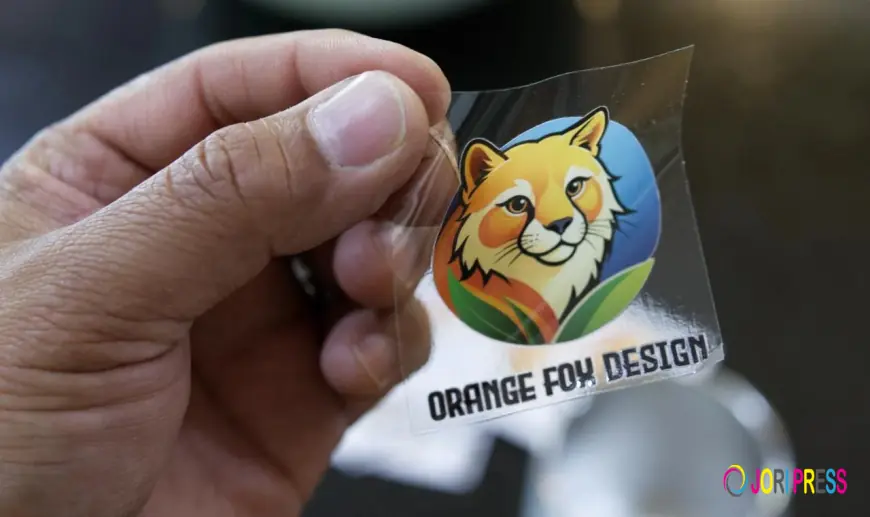
UV DTF stickers have changed the way businesses and creators customise hard products. Unlike traditional DTF transfers, which are primarily designed for fabrics and require heat pressing, UV DTF transfers are made for suitable rigid and smooth surfaces. They can add detailed, full-colour graphics to products such as tumblers, glassware, acrylic items, packaging, signs, and personalised gifts.
For businesses producing personalised merchandise, understanding these factors can help reduce application problems and create more consistent products.
What Are UV DTF Stickers?
UV DTF stickers are decorative transfers produced with UV-curable inks and specialised film. During production, ultraviolet light cures the printed ink, creating a detailed design that can be transferred onto appropriate hard surfaces.
The technology is particularly useful for designs containing multiple colours, gradients, logos, lettering, and intricate artwork. Unlike ordinary cut vinyl, the design does not have to be separated into individual shapes and weeded in the same way.
One of the most important things to understand is that UV DTF is different from conventional garment DTF.
How UV DTF Transfers Work
The design is printed onto specialised film using UV-curable inks. The finished transfer contains the printed artwork and adhesive layers needed for application.
The basic application process involves:
-
Preparing the product surface.
-
Positioning the transfer.
-
Applying firm, even pressure.
-
Carefully removing the carrier film.
-
Inspecting the finished design.
There is no conventional heat-press stage. This makes the process useful for products that cannot be placed conveniently under a garment heat press.
UV DTF vs Traditional DTF
Traditional DTF printing is mainly associated with textiles such as T-shirts, hoodies, bags, and other garments. The transfer is normally applied using heat and pressure.
Therefore, the product should always determine which transfer technology you use. A T-shirt normally calls for a garment DTF transfer, while a suitable tumbler or acrylic product may be better suited to UV DTF.
What Surfaces Can UV Transfer Stickers Be Applied To?
UV transfer stickers are designed for suitable smooth and rigid products. Common applications include drinkware, glass, acrylic, certain plastics, metal products, packaging, signs, and personalised gifts.
However, not every material will produce the same result. Surface texture, coating, cleanliness, shape, and porosity can all affect adhesion.
UV DTF Stickers for Tumblers and Drinkware
Tumblers, bottles, mugs, and other drinkware are popular applications because they provide a smooth surface for detailed branding and personalisation.
For larger orders, test the exact blank product before production. Different coatings and materials can behave differently.
UV Sticker Applications for Acrylic, Glass and Metal
A smooth acrylic sign can provide a different application experience from a coated metal bottle. Glass may offer a very smooth surface, while some painted or powder-coated products have their own characteristics.
The safest approach is to test the complete application on the actual material rather than assuming that every hard surface will behave identically.
Surfaces That Need Extra Testing
Be cautious with rough, porous, heavily textured, dirty, oily, damaged, or poorly coated surfaces.
If the transfer cannot establish consistent contact with the surface, adhesion may suffer. Testing is particularly important when a product will be exposed to frequent handling, washing, moisture, or abrasion.
How to Apply UV Transfer Stickers Correctly
Application technique has a major effect on the final appearance. Even a well-produced transfer can look poor if the surface is not prepared properly.
Step 1: Clean the Surface
Remove dust, grease, fingerprints, moisture, and manufacturing residue. Allow the product to dry completely before application.
Avoid touching the prepared area unnecessarily because oils from your hands can contaminate the surface again.
Step 2: Position the Design
Take time to check the placement before making firm contact.
For a tumbler or bottle, consider the viewing angle and available space. For branding, measure the position if consistent placement is important across multiple products.
Step 3: Apply Firm and Even Pressure
Press across the complete design rather than concentrating on one small area. Pay attention to corners, fine lettering, and small graphic elements.
Consistent pressure helps the adhesive make proper contact with the prepared surface.
Step 4: Remove the Film Carefully
Peel the carrier film slowly and steadily. Do not rush this stage.
If part of the artwork appears to remain on the film, stop and apply additional pressure to that section before continuing.
Step 5: Inspect the Finished Design
Check the edges, lettering, corners, and fine details. This simple inspection can identify an application problem before the product reaches a customer.
DTF Transfer Stickers vs UV DTF Transfers
The phrase DTF transfer stickers is sometimes used broadly online, but standard DTF and UV DTF should not be treated as the same process.
DTF Transfers for Clothing
Traditional DTF transfers are primarily designed for fabrics. They are commonly used on T-shirts, sweatshirts, hoodies, bags, uniforms, and other suitable textiles.
The transfer is normally applied with a heat press using the manufacturer's recommended temperature, pressure, and pressing time.
UV DTF Transfers for Hard Products
UV DTF is intended for appropriate rigid surfaces. It can be useful for tumblers, glass, acrylic, packaging, signs, and other suitable products.
The application method relies on pressure rather than the heat-based process used for garment transfers.
Why Choosing the Correct Transfer Matters
Using the wrong type of transfer can lead to poor adhesion, an unsuitable finish, or unnecessary production problems.
Before starting an order, identify the product material and select a transfer designed for that application.
UV DTF Sticker Ideas for Businesses
There are many ways businesses can use this technology beyond simple personalisation.
Custom Drinkware
Add names, logos, graphics, or event designs to suitable bottles, mugs, and tumblers.
Branded Packaging
Suitable boxes, jars, containers, and packaging components can be customised with logos or product information.
Personalised Gifts
Names, dates, illustrations, and special messages can create customised products for events and gifts.
Promotional Products
Businesses can add branding to suitable merchandise for events, campaigns, customer gifts, or corporate promotions.
Product Displays
Acrylic signs and other suitable display materials can be customised with logos, graphics, and informational designs.
Common UV DTF Sticker Application Mistakes
Even experienced printers can encounter problems when rushing production.
Applying Transfers to Dirty Surfaces
Dust, oil, and residue can interfere with adhesion.
Using the Wrong Transfer
Always match the transfer technology to the product.
Rushing the Application
Poor positioning or insufficient pressure can create avoidable defects.
Ignoring Artwork Size
Tiny lettering and extremely thin details may not work well at small sizes.
Skipping Product Testing
A transfer that works on one material or coating may not behave exactly the same way on another.
Final Thoughts on UV DTF Stickers & Transfer Stickers
UV Transfer Stickers provide a flexible way to customise suitable hard products with detailed, full-colour artwork. They are particularly useful when you need to decorate products that cannot be treated like ordinary garments.
What's Your Reaction?
 Like
0
Like
0
 Dislike
0
Dislike
0
 Love
0
Love
0
 Funny
0
Funny
0
 Angry
0
Angry
0
 Sad
0
Sad
0
 Wow
0
Wow
0