




































How Can Businesses Stay Compliant With the HIRE Act 2025?
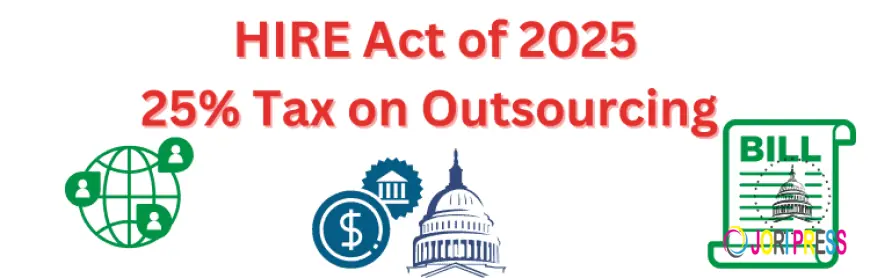
Businesses operating in the United States must follow several tax and reporting regulations to remain compliant with federal laws. One important law that companies, financial institutions, and accounting professionals should understand is the HIRE Act USA. Although the law was originally introduced to encourage employment, it also includes major compliance rules related to foreign account reporting, tax transparency, and financial disclosures.
Understanding the HIRE Act compliance requirements is essential for businesses to avoid penalties, maintain accurate reporting, and stay aligned with IRS regulations. In this blog, we will explain what the HIRE Act is, why it matters, and what businesses should know to remain compliant.
What Is the HIRE Act USA?
The Hiring Incentives to Restore Employment (HIRE) Act was passed in 2010 to support job creation and strengthen tax compliance. While the law included employment incentives, it also introduced important provisions related to foreign financial reporting and tax transparency.
One of the most significant parts of the HIRE Act is the introduction of stricter reporting rules for foreign accounts and overseas financial assets. These rules are closely connected to global tax compliance and help the U.S. government prevent tax evasion.
Because of these provisions, the HIRE Act continues to affect businesses, accounting firms, and financial institutions even today.
Why HIRE Act Compliance Is Important for Businesses
Compliance with the HIRE Act is important because it ensures that businesses report financial activities accurately, especially when dealing with foreign accounts, international transactions, or overseas investments.
Failure to comply with the law can result in:
- IRS penalties
- Additional audits
- Delays in tax processing
- Legal complications
- Damage to business reputation
For companies that work with international clients or maintain foreign assets, understanding the HIRE Act rules is especially critical.
Key Compliance Rules Under the HIRE Act
1. Reporting Foreign Financial Accounts
One of the main compliance requirements under the HIRE Act is proper reporting of foreign financial accounts. Businesses must disclose certain foreign assets and accounts to the IRS if they meet reporting thresholds.
These rules apply to:
- U.S. businesses with foreign bank accounts
- Companies with overseas investments
- Partnerships with international partners
- Firms operating in multiple countries
Accurate reporting helps the IRS monitor global financial activity and prevent tax avoidance.
2. Transparency in Financial Transactions
The HIRE Act requires greater transparency in financial reporting. Businesses must maintain proper documentation for all financial transactions, especially those involving foreign entities.
This includes:
- Recording international payments
- Reporting foreign income
- Tracking overseas expenses
- Maintaining audit-ready financial records
Having organized bookkeeping and accounting systems makes it easier to meet these requirements.
3. Compliance for Financial Institutions
Financial institutions also have responsibilities under the HIRE Act. Banks and financial organizations may need to report information about U.S. account holders to ensure proper tax reporting.
Because of this, many businesses are asked to provide additional documentation when opening accounts or making large transactions.
This increased reporting requirement is part of the effort to improve global tax transparency.
4. Importance of Accurate Tax Filing
The HIRE Act makes accurate tax filing more important than ever. Businesses must ensure that all income, deductions, and foreign assets are reported correctly on tax returns.
Incorrect reporting can lead to:
- Penalties
- Amended returns
- IRS notices
- Delayed refunds
Working with experienced accountants or tax professionals can help businesses avoid these issues.
5. Recordkeeping and Documentation Requirements
Proper documentation is essential for HIRE Act compliance. Businesses should maintain detailed financial records, including:
- Bank statements
- Transaction reports
- Tax filings
- Partnership agreements
- Foreign account information
Good recordkeeping helps companies respond quickly if the IRS requests additional information.
6. Impact on Partnerships and Corporations
The HIRE Act affects different types of business entities, including:
- Corporations
- Partnerships
- LLCs
- Sole proprietorships with foreign assets
Partnerships and corporations with international operations must be especially careful to follow reporting rules.
Forms related to foreign reporting, partnership income, and financial disclosures must be completed accurately to stay compliant.
7. Penalties for Non-Compliance
Businesses that fail to follow HIRE Act rules may face serious consequences. Penalties can vary depending on the type of violation, but they may include:
- Monetary fines
- Increased IRS scrutiny
- Audit risk
- Legal action
Even unintentional errors can cause problems, which is why compliance should always be taken seriously.
8. How Accounting Firms Help With HIRE Act Compliance
Many businesses rely on accounting firms to ensure compliance with tax laws and reporting rules. Professional accountants understand the HIRE Act requirements and can help with:
- Preparing accurate financial reports
- Filing tax returns correctly
- Reporting foreign assets
- Maintaining proper documentation
- Reviewing compliance procedures
Outsourced accounting and offshore staffing solutions also help businesses manage large workloads while staying compliant.
9. Why HIRE Act Compliance Still Matters in 2025 and Beyond
Even though the HIRE Act was introduced years ago, its compliance rules are still relevant today. Global business operations, remote work, and international transactions have made financial reporting more complex.
Because of this, businesses must stay updated on reporting requirements and work with professionals who understand current regulations.
Companies that follow compliance rules properly can avoid penalties and maintain smooth financial operations.
Conclusion
The HIRE Act USA compliance rules play an important role in ensuring transparency, accurate reporting, and proper tax filing for businesses. Companies that deal with foreign accounts, international transactions, or complex financial structures must pay special attention to these requirements.
By maintaining organized records, filing accurate tax returns, and working with experienced accounting professionals, businesses can stay compliant and avoid costly mistakes. Understanding the HIRE Act is not just about following the law — it is about protecting your business, maintaining credibility, and ensuring long-term financial stability.
What's Your Reaction?
 Like
0
Like
0
 Dislike
0
Dislike
0
 Love
0
Love
0
 Funny
0
Funny
0
 Angry
0
Angry
0
 Sad
0
Sad
0
 Wow
0
Wow
0