







































How Better Healthcare RCM Processes Improve Both Revenue and Patient Satisfaction

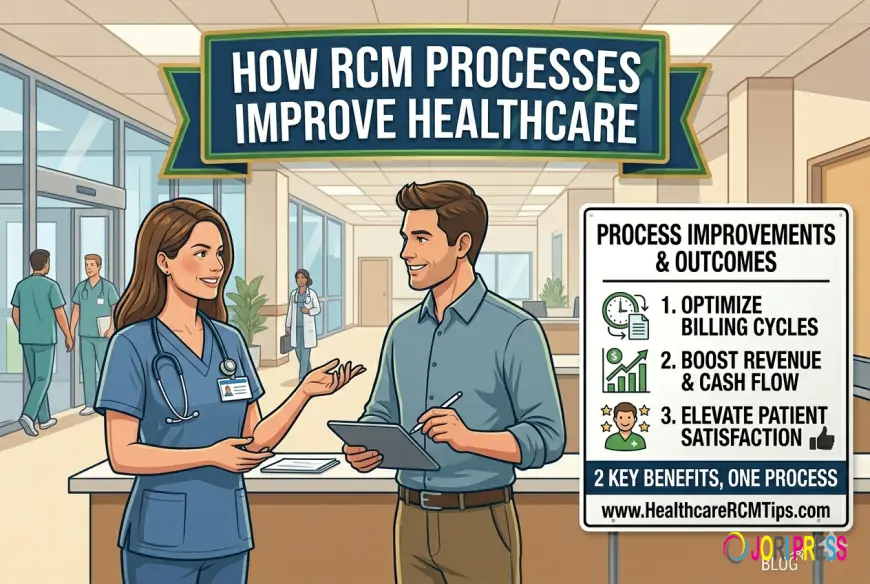
Healthcare organizations today face financial pressure from almost every direction. Insurance reimbursement requirements continue becoming more difficult, operating costs are rising, and many practices are struggling with staffing shortages that impact daily workflows. At the same time, patients expect smoother billing experiences and faster communication regarding their healthcare costs. Because of these changes, healthcare RCM has become one of the most important parts of running a successful medical practice.
Many providers once viewed billing as simply an administrative task handled after patient visits. That approach no longer works in modern healthcare. Revenue cycle management now affects nearly every area of a healthcare organization, including cash flow, patient retention, operational efficiency, and long-term growth. When billing systems fail, the consequences spread quickly throughout the entire practice.
More healthcare organizations are investing in professional RCM services because they realize financial performance depends heavily on how efficiently claims move through the reimbursement process. Delayed claims, coding mistakes, missing authorizations, and aging accounts receivable can create serious financial instability if not managed correctly.
Strong RCM solutions help providers reduce these problems while improving reimbursement consistency and overall operational performance.
The Revenue Cycle Begins Before the Patient Arrives
One of the biggest misconceptions about healthcare billing is that the process begins after treatment is completed. In reality, the revenue cycle starts much earlier. Scheduling, eligibility verification, and prior authorization all play major roles in determining whether claims are ultimately reimbursed correctly.
If a patient’s insurance information is inaccurate or incomplete during intake, billing problems usually appear later in the process. Claims may be denied because coverage was inactive, referral requirements were missing, or prior authorization approvals were never obtained. By the time the denial arrives, recovering payment often becomes far more difficult.
That is why many healthcare providers now invest heavily in insurance eligibility verification and healthcare eligibility verification systems. Accurate patient eligibility verification helps providers identify potential issues before appointments even occur. This allows staff to communicate financial expectations clearly while reducing reimbursement delays later.
Many modern eligibility verification services integrate directly with scheduling and billing systems so practices can confirm coverage in real time. These tools improve workflow efficiency while reducing manual administrative work for front office teams.
Prior Authorization Delays Continue Increasing
Insurance carriers have expanded prior authorization requirements significantly over the last several years. Many procedures, imaging services, specialty medications, and treatments now require approval before care is provided. Missing these approvals often results in denied claims and delayed reimbursement.
Managing healthcare prior authorization internally can create major strain for already overwhelmed administrative teams. Office staff frequently spend hours communicating with insurance carriers, submitting clinical documentation, and tracking authorization requests.
Many healthcare organizations now use prior authorization services and authorization management services to streamline this process. Strong prior auth solutions help practices reduce delays while improving approval tracking and communication between providers and payers.
Authorization verification also improves the patient experience because patients are less likely to encounter unexpected billing issues after receiving treatment. As reimbursement rules continue evolving, utilization management services will remain an increasingly important part of healthcare revenue cycle operations.
Medical Coding Accuracy Directly Impacts Financial Performance
Medical coding sits at the center of healthcare reimbursement. Coders translate physician documentation into standardized diagnosis and procedure codes that insurance companies use when reviewing claims. Even small coding mistakes can trigger denials, underpayments, compliance concerns, or audit risks.
Healthcare providers today operate under extremely detailed coding requirements. Insurance carriers expect documentation to fully support the services billed, and coding standards continue changing every year. This creates challenges for practices that lack experienced coding support internally.
Many organizations now rely on medical coding services and healthcare coding services to improve claim accuracy and reduce billing inconsistencies. Certified medical coding specialists understand payer guidelines, coding updates, and specialty-specific documentation requirements that directly affect reimbursement outcomes.
Outpatient medical coding and inpatient medical coding have both become increasingly technical due to stricter payer oversight. Physician coding services help providers ensure claims are supported correctly before submission, which improves reimbursement speed while reducing denial risk.
Strong coding compliance services also help healthcare organizations maintain regulatory compliance while protecting long-term financial stability.
Medical Claims Management Requires Constant Oversight
The healthcare reimbursement process does not end once claims are submitted. In many cases, medical claims management requires continuous monitoring to ensure claims move through the system properly.
Insurance companies may delay claims for numerous reasons, including incomplete documentation, authorization issues, coding mismatches, or eligibility problems. Without organized healthcare claims management processes, providers can lose substantial revenue over time.
Modern claims management services focus heavily on proactive claim review and rapid follow-up. Healthcare claims processing systems often include automated claim scrubbing technology that identifies errors before submission. These systems help providers reduce preventable denials while improving reimbursement timelines.
Strong insurance claims management workflows also improve denial recovery efforts. Claims denial management teams track payer behavior, identify recurring denial patterns, and submit appeals when reimbursement issues occur.
Many healthcare organizations now use healthcare reimbursement management platforms to gain better visibility into payer performance and operational weaknesses affecting collections.
Medical Billing Services Continue Expanding Across Healthcare
Medical billing services have become one of the fastest-growing segments within healthcare administration because billing operations now require highly specialized expertise. Managing claims, patient balances, insurance follow-up, and reimbursement appeals internally can overwhelm smaller practices quickly.
Professional billing teams help healthcare organizations improve financial performance by creating more consistent billing workflows. These teams monitor claims closely, resolve payment delays, and communicate directly with insurance carriers regarding unresolved balances.
Many providers now invest in outsourced medical billing because staffing shortages continue affecting administrative departments nationwide. Hiring and retaining experienced billing staff has become increasingly difficult, especially for independent practices and smaller specialty groups.
Billing and coding services allow healthcare organizations to reduce administrative burden while improving reimbursement consistency. Healthcare collections services and patient billing services also help providers recover outstanding balances more efficiently without disrupting patient relationships.
Strong healthcare financial management processes improve operational visibility while helping practices reduce revenue leakage across the entire reimbursement cycle.
AR Management Helps Protect Cash Flow
Cash flow stability remains one of the biggest concerns for healthcare organizations today. Delayed reimbursements can create operational stress that affects staffing decisions, growth planning, and patient services.
AR management focuses on resolving unpaid balances before they become long-term collection problems. Accounts receivable management teams follow up with insurance carriers, investigate underpayments, appeal denied claims, and manage aging balances.
Healthcare organizations with weak AR processes often carry large amounts of unpaid revenue that become increasingly difficult to recover as claims age.
Strong revenue cycle optimization strategies prioritize rapid follow-up because delayed action usually reduces collection success rates significantly. Practice revenue optimization depends heavily on keeping accounts receivable moving consistently instead of allowing unpaid balances to accumulate month after month.
Administrative Support Staff Play a Bigger Role Than Many Realize
Front office employees have become critical contributors to healthcare revenue cycle performance. Medical office assistant teams often handle scheduling, insurance verification, patient intake, billing communication, and payment collection simultaneously.
Without organized healthcare administrative support, front office bottlenecks can quickly create billing problems throughout the entire revenue cycle.
Many providers now invest in healthcare office assistant support and medical office support services to improve workflow efficiency. Patient scheduling support and medical front desk support help reduce administrative errors while improving patient communication.
Healthcare office staffing challenges continue affecting practices nationwide, which makes strong support systems even more valuable for maintaining consistent operations.
Technology Is Reshaping Healthcare Revenue Cycle Management
Technology continues transforming healthcare RCM across every stage of the billing process. Modern medical revenue cycle solutions now automate many repetitive administrative tasks while improving reporting visibility and claim accuracy.
Advanced RCM solutions often include automated eligibility verification, electronic healthcare claims processing, digital patient billing services, AI-assisted denial management services, and automated insurance claims follow-up tools.
These systems help providers reduce manual workload while identifying reimbursement risks earlier in the process.
Many organizations now rely on end-to-end RCM solutions that connect scheduling, coding, billing, collections, and financial reporting together into one integrated workflow. Strong practice management solutions improve operational efficiency while providing healthcare organizations with better financial visibility overall.
Final Thoughts
Healthcare providers today face increasing operational and financial complexity. Insurance requirements continue evolving, staffing shortages remain widespread, and patients expect more transparent billing experiences than ever before. Because of these changes, healthcare RCM has become one of the most important operational priorities for medical practices and healthcare organizations.
Strong RCM services help providers improve reimbursement accuracy, reduce denied claims, strengthen collections, and create more stable financial operations. Accurate medical coding, proactive medical claims management, efficient medical billing services, and organized AR management all contribute directly to healthier financial performance.
What's Your Reaction?
 Like
0
Like
0
 Dislike
0
Dislike
0
 Love
0
Love
0
 Funny
0
Funny
0
 Angry
0
Angry
0
 Sad
0
Sad
0
 Wow
0
Wow
0