

































Harnessing AI for Enhanced Logistics and Supply Chain Efficiency
Businesses should view AI not as a one-time fix but as an ongoing journey. Continuous learning and adaptation will unlock the full potential of AI in logistics and fleet management.


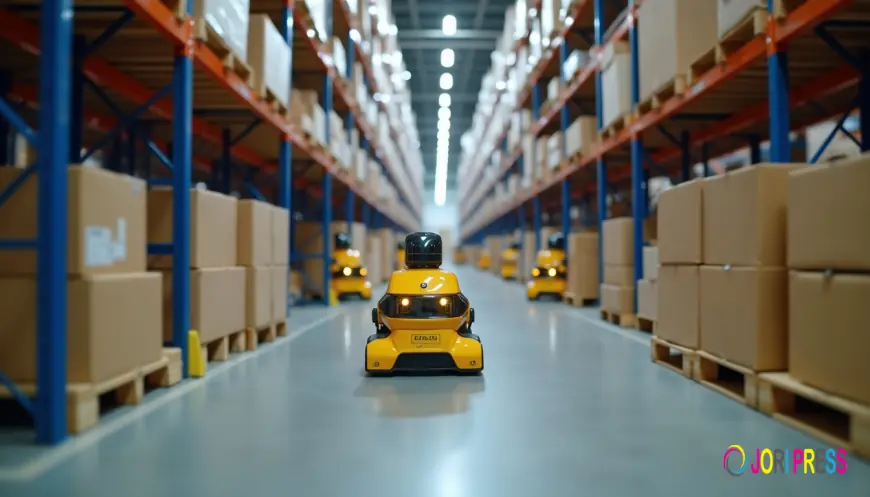
Logistics and supply chain operations face constant pressure to deliver faster, reduce costs, and improve accuracy. Traditional methods often struggle to keep up with the complexity and scale of modern demands. Artificial intelligence (AI) offers practical solutions that transform how companies manage their supply chains and fleets. By applying AI technologies, businesses can gain clearer insights, make smarter decisions, and respond quickly to changing conditions.
How AI Improves Supply Chain Management
AI enhances supply chain management by analyzing vast amounts of data to predict trends, identify risks, and optimize processes. Here are some key ways AI supports supply chains:
- Demand forecasting: AI models analyze historical sales, market trends, and external factors like weather or economic shifts to predict product demand more accurately. This reduces overstock and stockouts.
- Inventory management: AI tracks inventory levels in real time and suggests replenishment orders based on predicted demand and lead times. This keeps inventory lean without risking shortages.
- Supplier risk assessment: AI tools evaluate supplier performance and flag potential risks such as delays or quality issues. This helps companies proactively manage supplier relationships.
- Route planning: AI algorithms optimize delivery routes by considering traffic, weather, and vehicle capacity, reducing fuel consumption and delivery times.
- Process automation: AI automates repetitive tasks such as order processing and invoice matching, freeing staff to focus on higher-value activities.
Companies using AI in logistics report significant improvements in efficiency and cost savings. For example, a retailer applying AI-driven demand forecasting reduced excess inventory by 20% while improving product availability.
The Role of AI in Fleet Management
Telematics fleet management benefits greatly from AI technologies, especially when combined with telematics systems. Telematics collects data from vehicles, including location, speed, fuel usage, and maintenance status. AI analyzes this data to provide actionable insights.
Key benefits of AI in fleet management include:
- Predictive maintenance: AI predicts when vehicles need servicing before breakdowns occur, reducing downtime and repair costs.
- Driver behavior monitoring: AI identifies risky driving patterns such as harsh braking or speeding, enabling targeted coaching to improve safety.
- Fuel efficiency: AI suggests driving routes and habits that reduce fuel consumption, lowering operational expenses.
- Real-time tracking: AI-powered tracking systems provide accurate, up-to-date vehicle locations, improving dispatch decisions and customer communication.
- Load optimization: AI helps plan vehicle loads to maximize capacity and minimize empty miles.
For instance, a logistics company using AI-driven telematics cut fuel costs by 15% and reduced vehicle breakdowns by 30% within the first year.
Practical Steps to Implement AI in Logistics and Fleet Operations
Businesses looking to adopt AI should follow a clear approach:
- Assess current challenges: Identify pain points such as inaccurate forecasts, high fuel costs, or frequent vehicle breakdowns.
- Collect quality data: Ensure data from supply chain systems and telematics devices is accurate and accessible.
- Choose the right AI tools: Select AI solutions tailored to specific needs, whether demand forecasting, route optimization, or predictive maintenance.
- Start small and scale: Pilot AI projects in one area before expanding across operations.
- Train staff: Equip employees with skills to interpret AI insights and integrate them into daily workflows.
- Monitor and adjust: Continuously track AI performance and refine models based on results.
Real-World Examples of AI in Action
- A global shipping company implemented AI-powered route planning combined with telematics fleet management. This reduced delivery times by 12% and cut fuel consumption by 10%.
- An e-commerce retailer used AI for supply chain optimization, improving demand forecasting accuracy by 25%. This led to better inventory turnover and fewer lost sales.
- A food distributor applied AI-driven predictive maintenance to its refrigerated trucks, preventing spoilage and saving thousands in repair costs annually.
These examples show how AI can deliver measurable improvements across different logistics and supply chain functions.
Looking Ahead: The Future of AI in Logistics
AI will continue to evolve and integrate with other technologies like the Internet of Things (IoT) and blockchain. This will create even more transparent, responsive, and efficient supply chains. Companies that adopt AI early will gain a competitive edge by reducing costs, improving service, and adapting quickly to market changes.
Businesses should view AI not as a one-time fix but as an ongoing journey. Continuous learning and adaptation will unlock the full potential of AI in logistics and fleet management.
Harnessing AI in logistics and supply chain operations offers clear benefits: better forecasts, smarter routes, safer fleets, and lower costs. By starting with focused projects and building on successes, companies can transform their operations and meet the demands of today’s fast-moving markets. Exploring AI solutions for supply chain optimization and telematics fleet management is a practical step toward stronger, more efficient logistics.
What's Your Reaction?
 Like
0
Like
0
 Dislike
0
Dislike
0
 Love
0
Love
0
 Funny
0
Funny
0
 Angry
0
Angry
0
 Sad
0
Sad
0
 Wow
0
Wow
0