






































Flowers Starting With AC and Their Unique Features
Discover flowers starting with AC, their botanical names, unique features, and characteristics. Learn about Acanthus, Acacia, Achillea, and more.
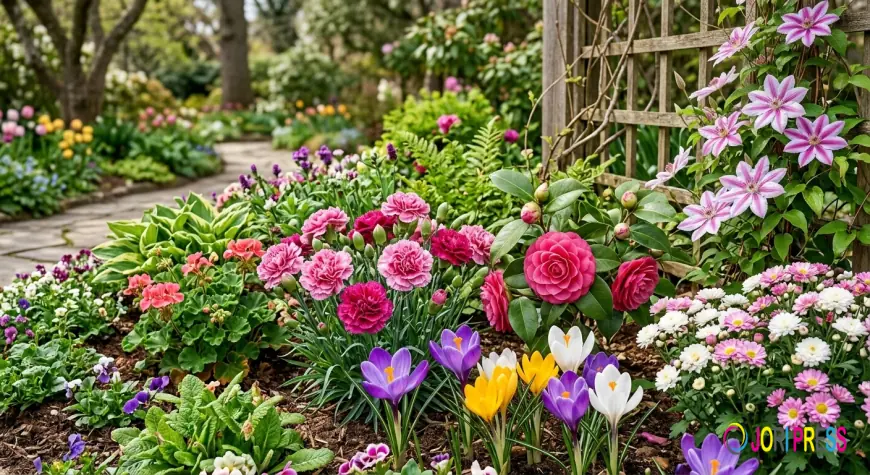
Flowers come in countless varieties, each with its own distinctive beauty and botanical characteristics. Learning about flowers alphabetically is a helpful way to discover different plant species and understand their traits. In this article, we explore flowers starting with ac and highlight their unique features, botanical names, and characteristics. These plants are admired for their ornamental value, symbolism, and ecological importance.
Why Explore Flowers That Start With AC?
Many gardeners, botanists, and plant enthusiasts search for flowers by alphabetical lists to expand their knowledge of plant species. Flowers beginning with AC include several well-known ornamental plants as well as some species valued for medicinal or ecological purposes.
Understanding their unique features can help gardeners choose plants suitable for landscaping, pollinator gardens, or decorative purposes.
1. Acanthus
Botanical Name: Acanthus mollis
Common Name: Bear’s Breeches
Acanthus is a striking ornamental plant widely grown in gardens for its bold foliage and tall flower spikes.
Unique Features
-
Large, glossy, deeply lobed leaves that create dramatic garden textures
-
Tall spikes of purple and white flowers that bloom in summer
-
Highly tolerant of shade and adaptable to different soil types
-
Historically used as inspiration for Corinthian column designs in Greek architecture
Because of its dramatic appearance, Acanthus is often planted as a focal point in ornamental landscapes.
2. Acalypha
Botanical Name: Acalypha hispida
Common Name: Chenille Plant
Acalypha is a tropical flowering plant known for its unusual and eye-catching flower structure.
Unique Features
-
Long, fuzzy red flower spikes that resemble chenille fabric or caterpillars
-
Evergreen foliage that provides year-round visual interest
-
Thrives in warm climates and humid environments
-
Frequently grown as a hanging or container plant in tropical gardens
The plant’s unusual flowers make it one of the most distinctive ornamental plants in warm regions.
3. Acacia
Botanical Name: Acacia dealbata (one of many species)
Common Name: Wattle or Mimosa
Acacia is a large genus of trees and shrubs that produce delicate and fragrant flowers.
Unique Features
-
Bright yellow, fluffy ball-shaped flower clusters
-
Feathery leaves that create a soft and elegant appearance
-
Extremely drought-tolerant and well adapted to dry climates
-
Important ecological role by providing nectar for pollinators
Acacia trees are commonly planted for ornamental landscaping and are widely recognized in Australian flora.
4. Achillea
Botanical Name: Achillea millefolium
Common Name: Yarrow
Achillea is a hardy perennial plant that grows well in temperate climates and is popular in wildflower gardens.
Unique Features
-
Flat clusters of tiny flowers that attract butterflies and bees
-
Fern-like aromatic leaves
-
Highly drought-resistant once established
-
Known for its long history in traditional herbal medicine
Because of its resilience and pollinator-friendly nature, Achillea is often included in sustainable garden designs.
5. Aconitum
Botanical Name: Aconitum napellus
Common Name: Monkshood or Wolfsbane
Aconitum is a visually striking plant recognized for its dramatic hood-shaped flowers.
Unique Features
-
Tall spikes of deep blue or purple flowers
-
Distinctive helmet-shaped blooms resembling a monk’s hood
-
Thrives in cool climates and partial shade
-
One of the most toxic ornamental plants, requiring careful handling
Despite its toxicity, Aconitum is highly valued for its unique flower shape and deep color.
6. Actaea
Botanical Name: Actaea racemosa
Common Name: Black Cohosh
Actaea is a perennial plant native to North America and often found in woodland gardens.
Unique Features
-
Tall, elegant white flower spikes that bloom in late summer
-
Thrives in shaded and moist environments
-
Known for its traditional medicinal uses
-
Attractive foliage that adds texture to garden landscapes
The plant’s graceful appearance makes it a popular addition to naturalistic garden designs.
Benefits of Growing AC Flowers in Gardens
Flowers beginning with AC offer several benefits for gardeners and landscapes.
1. Visual Appeal
Plants like Acanthus and Aconitum provide dramatic structures and vibrant colors that enhance garden aesthetics.
2. Pollinator Support
Flowers such as Achillea and Acacia attract bees, butterflies, and other beneficial pollinators, supporting biodiversity.
3. Adaptability
Many AC flowers are hardy and adaptable to different climates and soil conditions, making them suitable for various garden environments.
4. Cultural and Medicinal Value
Some plants, including Actaea and Achillea, have historical uses in traditional herbal medicine.
Tips for Growing Flowers Starting With AC
If you want to include these plants in your garden, consider the following tips:
-
Choose species suitable for your local climate and soil conditions
-
Provide adequate sunlight or shade depending on the plant’s requirements
-
Ensure proper drainage to prevent root problems
-
Be cautious with toxic plants like Aconitum, especially if pets or children are present
Proper care will help these flowers thrive and add beauty to your landscape.
Conclusion
Flowers starting with AC showcase an impressive range of shapes, colors, and botanical characteristics. From the bold foliage of Acanthus to the delicate yellow blooms of Acacia and the pollinator-friendly clusters of Achillea, each plant offers unique features that make it valuable for gardens and landscapes.
Exploring flowers alphabetically not only helps gardeners discover new species but also deepens appreciation for the diversity of plant life. Whether you are designing a decorative garden or learning about plant varieties, these AC flowers provide both beauty and botanical interest.
What's Your Reaction?
 Like
0
Like
0
 Dislike
0
Dislike
0
 Love
0
Love
0
 Funny
0
Funny
0
 Angry
0
Angry
0
 Sad
0
Sad
0
 Wow
0
Wow
0