





































Endmills Cutting Parameters: Speed, Feed & Depth Explained
Learn the ideal speed, feed, and depth settings for CNC endmills. Improve machining accuracy, tool life, and cutting performance with expert tips.

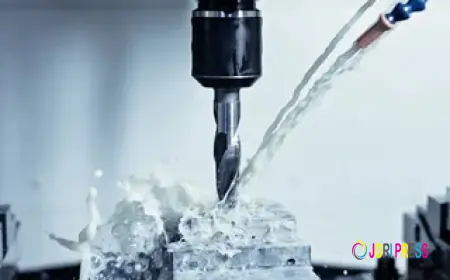
Understanding Speed, Feed & Depth in CNC Endmills Operations
In CNC machining, achieving precision and efficiency depends not only on the machine itself but also on selecting the correct cutting parameters. Proper spindle speed, feed rate, and cutting depth directly affect tool life, surface finish, machining time, and productivity. Understanding these factors is essential for every machinist working with endmills in modern manufacturing operations.
This guide explains the importance of cutting parameters and how they impact machining performance. Whether you are a beginner or an experienced CNC operator, mastering these basics can help you achieve better results and reduce production costs.
Understanding Cutting Parameters in CNC Machining
Cutting parameters are the settings used to control how a cutting tool interacts with the workpiece. The three most important parameters are:
-
Spindle Speed
-
Feed Rate
-
Depth of Cut
These settings work together to ensure smooth cutting, proper chip removal, and longer tool life.
Incorrect settings can lead to:
-
Poor surface finish
-
Tool breakage
-
Excessive heat generation
-
Increased machine wear
That is why selecting the right parameters is critical for machining efficiency.
What Spindle Speed?
Spindle speed refers to how fast the tool rotates during machining. It is measured in Revolutions Per Minute (RPM).
Higher spindle speeds help achieve faster material removal and smoother finishes, but excessive speed can overheat the tool and damage the workpiece.
Factors Affecting Spindle Speed
Several factors influence the ideal RPM:
-
Material being machined
-
Tool diameter
-
Tool material
-
Machine capability
For example, aluminum generally allows higher speeds compared to stainless steel because it is softer and easier to cut.
Importance of Feed Rate
Feed rate refers to how quickly the cutting tool moves through the material. It is usually measured in millimeters per minute (mm/min) or inches per minute (IPM).
The correct feed rate ensures proper chip formation and efficient cutting.
Effects of Incorrect Feed Rate
-
Too low: causes rubbing, heat buildup, and premature wear
-
Too high: increases vibration and tool breakage risk
A balanced feed rate improves productivity and surface quality.
Understanding Depth of Cut
Depth of cut refers to how deep the tool cuts into the material during one pass.
There are two main types:
-
Axial depth of cut
-
Radial depth of cut
Deeper cuts remove more material quickly, but they also increase cutting forces and heat generation.
Proper depth settings help maintain stability and extend tool life.
How Cutting Parameters Affect Tool Performance
The relationship between speed, feed, and depth determines machining efficiency.
1. Surface Finish
Correct settings produce smoother surfaces and reduce the need for secondary finishing.
2. Tool Life
Balanced parameters reduce stress and wear on cutting tools.
3. Material Removal Rate
Optimized settings improve machining speed while maintaining accuracy.
4. Heat Control
Proper parameters prevent overheating and thermal damage.
Role of Tool Material in Parameter Selection
Tool material significantly affects the recommended cutting parameters. Carbide endmills are commonly used because they can withstand higher temperatures and cutting speeds.
Advantages of Carbide Tools
-
Better wear resistance
-
Higher machining speeds
-
Improved rigidity
-
Longer operational life
Compared to HSS tools, carbide options deliver superior performance in demanding CNC applications.
Why Solid Carbide Tools Are Preferred
Many machinists prefer solid carbide end mills because of their strength and precision.
These tools offer:
-
Excellent vibration resistance
-
Better dimensional accuracy
-
High-speed cutting capability
They are especially useful in industries requiring tight tolerances, such as aerospace and automotive manufacturing.
Types of Endmills and Their Cutting Characteristics
Different machining tasks require different cutting tool designs. Understanding the types of endmills helps operators select the right tool and optimize cutting parameters.
Common Tool Types
Flat End Mills
Used for general-purpose milling and slotting operations.
Ball Nose End Mills
Ideal for 3D contouring and complex surface machining.
Corner Radius End Mills
Reduce edge chipping and improve durability.
Roughing End Mills
Designed for aggressive material removal with reduced cutting load.
Selecting the correct tool type improves efficiency and minimizes machining problems.
Precision Machining with Micro Tools
For small and delicate machining applications, micro endmills are essential. These miniature cutting tools are widely used in electronics, medical manufacturing, and mold-making industries.
Benefits of Micro Machining Tools
-
High precision in tiny components
-
Better detail accuracy
-
Reduced material waste
However, micro tools require very careful speed and feed adjustments because of their small diameter.
Tips for Optimizing Cutting Parameters
Improving machining performance requires careful parameter selection. Here are some practical tips:
1. Start with Manufacturer Recommendations
Always follow the recommended speed and feed charts provided by the tool manufacturer.
2. Monitor Chip Formation
Good chip formation indicates proper cutting conditions.
3. Use Proper Coolant
Coolants help reduce heat and improve tool life.
4. Avoid Excessive Depth
Taking overly deep cuts can overload the tool and spindle.
5. Maintain Machine Rigidity
Stable setups reduce vibration and improve cutting consistency.
Common Mistakes to Avoid
Even experienced machinists can make errors when setting cutting parameters.
Common Problems:
-
Running tools too fast
-
Using incorrect feed rates
-
Ignoring machine limitations
-
Poor tool holding setup
-
Lack of coolant or lubrication
Avoiding these mistakes helps improve machining efficiency and reduce production downtime.
Advanced CNC Machining Strategies
Modern CNC machining is evolving with advanced software and automation systems that optimize cutting conditions automatically.
Technologies such as:
-
Adaptive toolpaths
-
AI-based parameter optimization
-
Real-time tool monitoring
are helping manufacturers achieve higher productivity and precision.
These innovations are becoming increasingly important in high-volume production environments.
Conclusion
Understanding spindle speed, feed rate, and cutting depth is essential for successful CNC machining. Proper cutting parameters improve productivity, enhance surface finish, reduce tool wear, and ensure machining accuracy. By selecting the correct tools and optimizing machining conditions, manufacturers can achieve efficient and cost-effective operations with endmills.
Whether working with standard tools or advanced carbide solutions, mastering cutting parameters is the key to maximizing CNC performance.
FAQs
1. What are cutting parameters in CNC machining?
Cutting parameters include spindle speed, feed rate, and depth of cut used to control machining operations.
2. Why is feed rate important in milling?
The correct feed rate ensures proper chip removal, better surface finish, and longer tool life.
3. How do carbide tools improve machining performance?
Carbide tools allow higher cutting speeds, better heat resistance, and increased durability.
4. What happens if spindle speed is too high?
Excessive speed can generate heat, reduce tool life, and damage the workpiece.
5. Why are micro endmills used?
They are used for high-precision machining of small and detailed components.
About Jaibros
Jaibros is a reliable supplier of premium CNC cutting tools and machining solutions designed for precision and durability. From advanced milling tools to high-performance carbide solutions, Jaibros helps industries improve productivity, machining accuracy, and operational efficiency with trusted tooling products.
What's Your Reaction?
 Like
0
Like
0
 Dislike
0
Dislike
0
 Love
0
Love
0
 Funny
0
Funny
0
 Angry
0
Angry
0
 Sad
0
Sad
0
 Wow
0
Wow
0