




































Amazing Cube Patterns for Beginners With Step-by-Step Notations

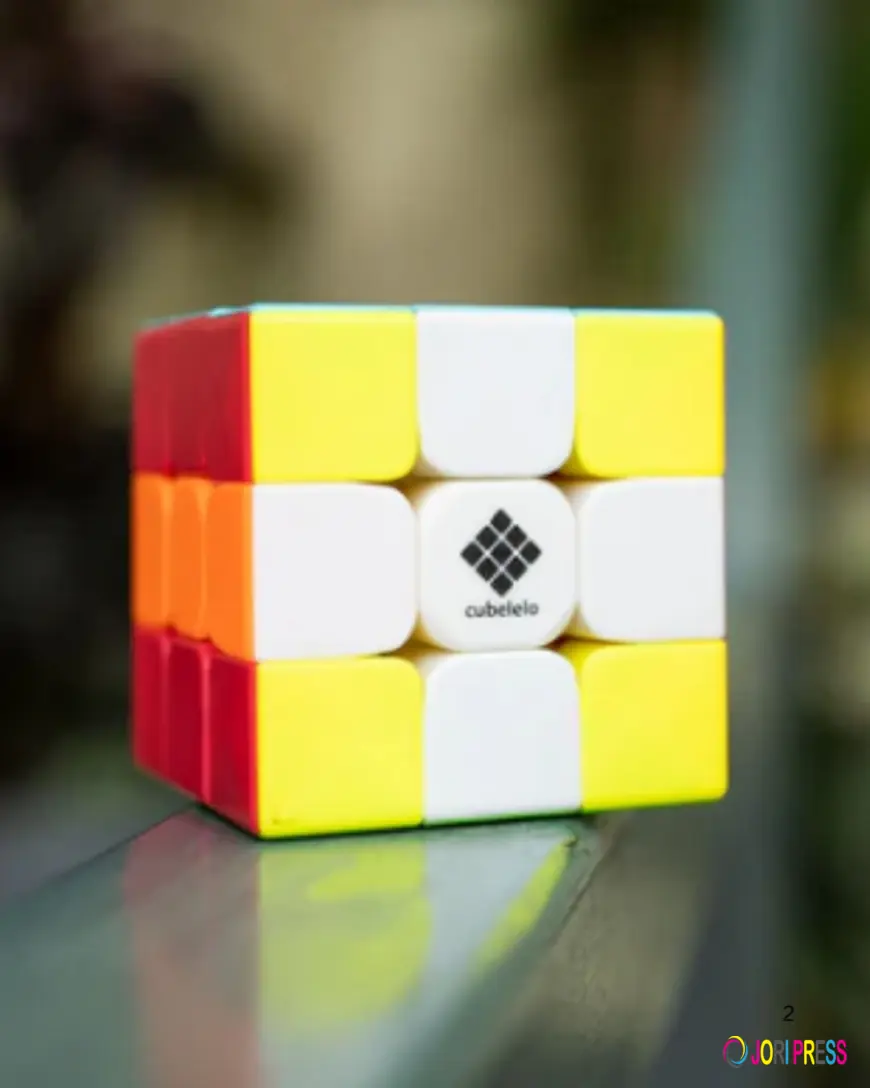
If you’ve already learned how to solve a 3x3 cube, the next fun step is exploring creative cube patterns. Patterns transform a solved cube into visually striking designs using simple move sequences. They’re not just entertaining—they also help beginners understand cube behavior, improve finger tricks, and become more confident with notations.
Inspired by the cubing resources at Cubelelo, this guide introduces beginner-friendly cube patterns with clear, step-by-step notations. All patterns below start from a solved 3x3 cube.
Understanding Cube Notations (Quick Refresher)
Before trying the patterns, make sure you’re comfortable with standard cube notation:
- R – Right face clockwise
- R’ – Right face counterclockwise
- L – Left face clockwise
- U – Upper face clockwise
- D – Down face clockwise
- F – Front face clockwise
- B – Back face clockwise
- The apostrophe ( ’ ) means anticlockwise.
- The number 2 (like R2) means turn twice.
Move steadily and don’t rush. Accuracy matters more than speed when practicing patterns.
1. Checkerboard Pattern
One of the most popular cube patterns for beginners.
Algorithm:
M2 E2 S2
(If you’re unfamiliar with slice moves, you can use beginner alternatives available in Cubelelo tutorials.)
M2 E2 S2
(If you’re unfamiliar with slice moves, you can use beginner alternatives available in Cubelelo tutorials.)
This creates a classic alternating color grid across all faces. It’s simple, symmetrical, and very satisfying visually.
2. Cube in a Cube Pattern
This pattern creates the illusion of a smaller cube inside your cube.
Algorithm:
F L F U’ R U F2 L2 U’ L’ B D’ B’ L2 U
F L F U’ R U F2 L2 U’ L’ B D’ B’ L2 U
The result looks complex, but the moves are manageable if done slowly. This pattern is perfect for impressing friends while still being beginner-friendly.
3. Cross Pattern
The cross pattern creates a plus-sign shape on each face.
Algorithm:
F B2 R’ D2 B R U D’ R L’ D’ F’ R2 D F2 B’
F B2 R’ D2 B R U D’ R L’ D’ F’ R2 D F2 B’
This pattern helps beginners understand how different layers interact. It’s a great way to build familiarity with layered movement.
4. Anaconda Pattern
A visually dynamic pattern that looks like a twisted snake wrapping around the cube.
Algorithm:
L U B’ U’ R L’ B R’ F B’ D R D’ F’
L U B’ U’ R L’ B R’ F B’ D R D’ F’
It may look long, but each move flows smoothly. Practice slowly the first time.
5. Vertical Stripes Pattern
This pattern creates clean vertical lines on all sides.
Algorithm:
F U F R L2 B D’ R D2 L D’ B R2 L F U F
F U F R L2 B D’ R D2 L D’ B R2 L F U F
It’s a structured and symmetrical design that looks more complicated than it actually is.
6. Spiral Pattern
The spiral gives your cube a rotating illusion.
Algorithm:
L’ B’ D U R U’ R’ D2 R2 D L D’ L’ R’ F U
L’ B’ D U R U’ R’ D2 R2 D L D’ L’ R’ F U
The design forms a swirling visual effect across multiple faces.
Why Practice Cube Patterns?
Learning cube patterns is more than just creating cool designs:
1. Improves Notation Fluency
You become faster at reading and executing algorithms.
2. Enhances Finger Dexterity
Patterns strengthen finger tricks and movement accuracy.
3. Builds Algorithm Confidence
Executing longer sequences becomes less intimidating.
4. Boosts Cube Control
You begin to understand how layers affect each other.
For beginners, patterns are a stress-free way to engage with the cube without the pressure of solving speed.
Tips for Beginners
- Always start from a solved cube.
- Read the full algorithm once before starting.
- Move slowly and double-check each turn.
- If you make a mistake, simply solve the cube and restart.
- Practice repeatedly until the sequence feels natural.
If you’re using a smooth speed cube, your turns will feel more controlled and enjoyable. Many beginners prefer practicing patterns on quality cubes recommended by Cubelelo because smoother turning improves accuracy and reduces lockups.
Turning Patterns Into Skill Growth
Once you’re comfortable with basic cube patterns, try:
- Memorizing 2–3 patterns fully
- Executing them without looking at notes
- Timing yourself for clean execution
- Teaching a friend (teaching reinforces learning)
Patterns help bridge the gap between beginner solving and advanced cubing. They introduce you to algorithm structure in a relaxed way.
Final Thoughts
Cube patterns are the perfect next step after learning to solve the 3x3. They combine creativity, logic, and fun into one engaging activity. Whether it’s the classic Checkerboard or the impressive Cube in a Cube design, each pattern builds your confidence and understanding of the puzzle.
If you want more beginner-friendly tutorials, algorithm breakdowns, and high-quality cubes to practice on, platforms like Cubelelo provide excellent guides and resources to continue your cubing journey.
Start with one pattern today—and watch your cube transform into something amazing.
What's Your Reaction?
 Like
0
Like
0
 Dislike
0
Dislike
0
 Love
0
Love
0
 Funny
0
Funny
0
 Angry
0
Angry
0
 Sad
0
Sad
0
 Wow
0
Wow
0
\