
































Can You Recycle Tissue Paper
Learn whether tissue paper can be recycled, which types are recyclable, compostable alternatives, and eco-friendly disposal tips to reduce packaging waste sustainably.
Can You Recycle Tissue Paper?
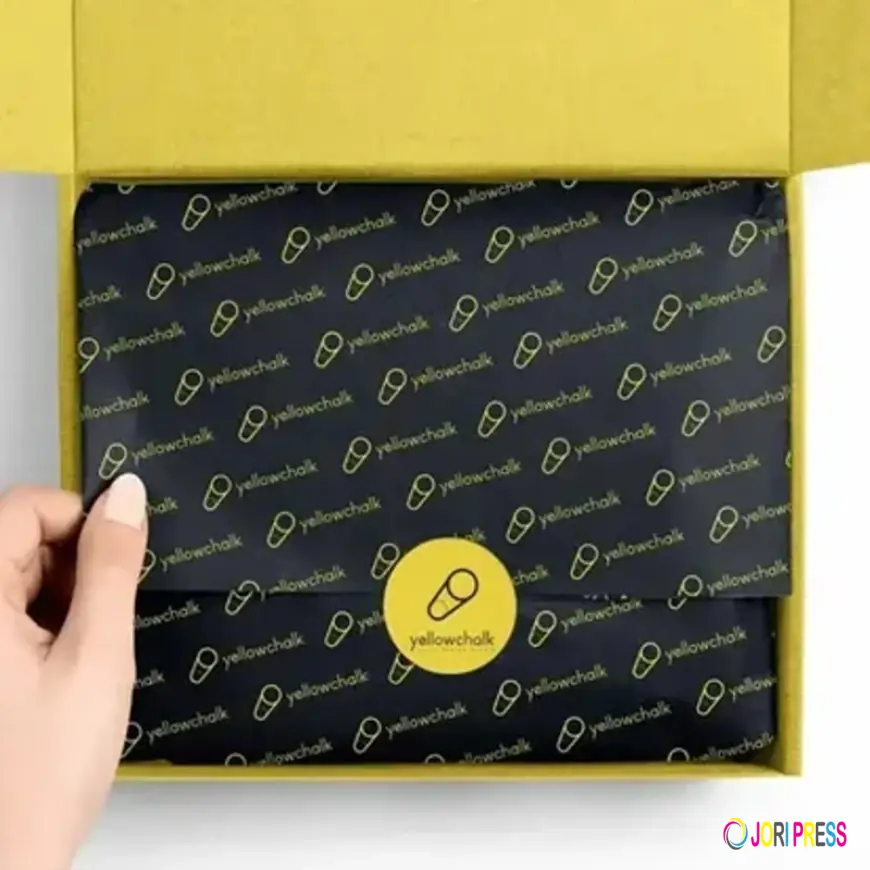
Tissue paper is one of the most commonly used packaging and decorative materials in homes, retail stores, and gift shops. From wrapping presents to protecting delicate products, it offers convenience, style, and affordability. However, many people often wonder: Can you recycle tissue paper?
The answer is not always straightforward. While is technically made from paper fibers, several factors determine whether it can actually be recycled. Understanding how tissue paper is processed, reused, and disposed of can help reduce waste and support environmentally friendly practices.
In this guide, you’ll learn everything about tissue paper recycling, including what types are recyclable, when they should be thrown away, eco-friendly alternatives, and practical sustainability tips.
What Is Tissue Paper Made Of?
Tissue paper is manufactured using paper pulp, which usually comes from recycled paper, virgin wood fibers, or a combination of both. Compared to regular printing paper or cardboard, tissue paper is thinner, softer, and lighter.
Because the fibers used in tissue paper are already processed extensively during manufacturing, they become shorter and weaker. This makes tissue paper less durable for repeated recycling compared to other paper products.
Common uses of tissue paper include:
- Gift wrapping
- Product packaging
- Decorative crafts
- Napkins and facial tissues
- Shoe and clothing packaging
- Party decorations
Although tissue paper is paper-based, not every type can go into a recycling bin.
Can Tissue Paper Be Recycled?
In many cases, plain and clean tissue paper can be recycled, but it depends on local recycling rules and the condition of the paper.
Most recycling centers accept paper products only if the fibers are clean and dry. Since tissue paper fibers are already short, some facilities cannot process them efficiently.
Recyclable Tissue Paper
The following types are often recyclable:
- Plain white tissue paper
- Unused gift tissue paper
- Non-glitter decorative tissue
- Uncoated tissue paper
- Clean packaging tissue
If the tissue paper is dry and free from contamination, many recycling programs may accept it.
When Tissue Paper Cannot Be Recycled
Certain types of tissue paper should not be placed in recycling bins because they can damage recycling systems or contaminate other materials.
1. Glitter Tissue Paper
Glitter contains tiny plastic particles that are difficult to separate during recycling. Metallic finishes and foil coatings also make recycling challenging.
2. Used Facial Tissues or Napkins
Tissues used for cleaning, makeup, or illness are considered contaminated. These should be disposed of in regular trash or composted if appropriate.
3. Wet or Greasy Tissue Paper
Oil, food stains, or moisture weaken paper fibers further and reduce recyclability.
4. Wax-Coated Tissue Paper
Some decorative or food-grade tissue papers have wax or plastic coatings that prevent proper recycling.
5. Heavily Dyed or Laminated Tissue
Bright chemical dyes, laminated layers, and synthetic decorations can interfere with paper recycling processes.
Why Tissue Paper Is Difficult to Recycle
One major reason tissue paper recycling is limited is the condition of the paper fibers.
Paper can only be recycled a limited number of times before fibers become too short to bond together again. Tissue paper is often produced from already recycled material, meaning its fibers are near the end of their usable life cycle.
Additionally, tissue paper is:
- Extremely thin
- Lightweight
- Easily contaminated
- Difficult to sort in recycling facilities
Because of these factors, some recycling centers prefer excluding tissue paper entirely.
Can Tissue Paper Be Composted?
Yes, many types of tissue paper are compostable.
Plain, uncoated tissue paper breaks down naturally and can be added to compost bins. Brown and white tissue paper without glitter or chemicals are generally safe for composting.
Compost-Friendly Tissue Paper Includes:
- Plain gift tissue
- Brown tissue paper
- Unused wrapping tissue
- Natural fiber tissue
Avoid Composting:
- Glitter tissue paper
- Metallic tissue
- Chemically scented tissue
- Bleached or heavily dyed tissue
Composting tissue paper is often a better eco-friendly option than sending it to landfills.
Eco-Friendly Alternatives to Traditional Tissue Paper
As sustainability becomes more important, many businesses and consumers are switching to environmentally friendly packaging options.
1. Recycled Tissue Paper
This type is made from post-consumer recycled fibers and reduces the need for virgin wood pulp.
2. FSC-Certified Tissue Paper
Forest Stewardship Council (FSC) certification ensures materials come from responsibly managed forests.
3. Compostable Tissue Paper
Biodegradable tissue paper naturally decomposes and supports zero-waste packaging goals.
4. Reusable Fabric Wraps
Fabric gift wraps and cloth packaging can replace disposable tissue paper entirely.
5. Kraft Paper Alternatives
Brown kraft paper is stronger, easier to recycle, and often biodegradable.
How to Reuse Tissue Paper Before Recycling
Before throwing tissue paper away, consider reusing it creatively. Reusing materials extends their lifespan and reduces waste.
Ways to Reuse Tissue Paper
- Rewrap future gifts
- Use in arts and crafts
- Cushion fragile items during storage
- Create DIY decorations
- Use for scrapbooking projects
- Protect shoes or handbags during travel
Even slightly wrinkled tissue paper can still be useful for packaging and crafts.
Sustainable Packaging Tips for Businesses
Businesses that frequently use tissue paper can reduce environmental impact by adopting smarter packaging practices.
Choose Recyclable Materials
Select plain, uncoated tissue paper without plastic or foil decorations.
Minimize Excess Packaging
Use only the amount of tissue paper necessary to protect products.
Encourage Customers to Recycle
Adding recycling instructions to packaging helps consumers dispose of materials responsibly.
Use Soy-Based Inks
Eco-friendly printing inks reduce harmful chemicals and improve recyclability.
Buy Recycled Packaging Supplies
Supporting recycled packaging manufacturers promotes a circular economy.
The Environmental Impact of Tissue Paper Waste
Although tissue paper appears harmless, large-scale disposal contributes to environmental problems.
Key Concerns Include:
- Increased landfill waste
- Deforestation from virgin pulp production
- Water and energy consumption during manufacturing
- Chemical pollution from dyes and coatings
By recycling, composting, or reusing tissue paper correctly, consumers can help reduce these environmental effects.
How to Know If Your Local Recycling Program Accepts Tissue Paper
Recycling rules vary by location. Some cities accept tissue paper in mixed paper recycling, while others prohibit it entirely.
To check local guidelines:
- Visit your municipality’s recycling website
- Contact waste management services
- Review accepted materials lists
- Use recycling locator tools online
Following local recycling rules prevents contamination and improves recycling efficiency.
Final Thoughts
So, can you recycle tissue paper? The answer is yes—but only under the right conditions. Clean, dry, and uncoated s often recyclable or compostable, while glittered, greasy, or contaminated tissue usually belongs in the trash.
The best approach is to reduce waste whenever possible by reusing tissue paper creatively and choosing sustainable packaging alternatives. Businesses and consumers alike can make environmentally responsible choices by selecting recyclable materials and supporting eco-friendly packaging solutions.
Small actions such as composting clean tissue paper, avoiding plastic-coated designs, and reusing gift wrap can collectively make a significant difference for the environment.
Understanding proper tissue paper disposal is an important step toward a more sustainable and waste-conscious future.
What's Your Reaction?
 Like
0
Like
0
 Dislike
0
Dislike
0
 Love
0
Love
0
 Funny
0
Funny
0
 Angry
0
Angry
0
 Sad
0
Sad
0
 Wow
0
Wow
0