





































Budget vs Premium Endmills: Is It Worth the Upgrade?
Compare budget vs premium endmills for CNC machining. Learn about tool life, cutting performance, carbide quality, and long-term machining benefits.

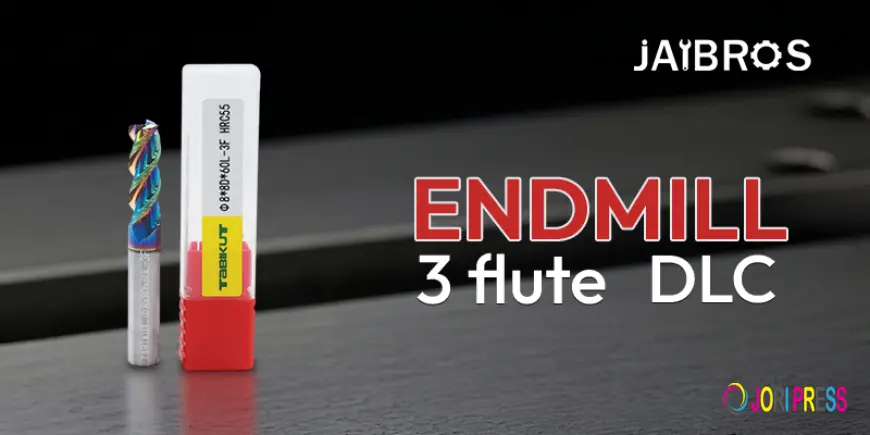
Budget vs Premium Endmills: Is Upgrading Worth the Cost?
In CNC machining, cutting tools directly influence production quality, machining speed, and operational efficiency. One of the most common questions among machinists and manufacturers is whether premium tools are truly worth the higher investment. While budget tools may appear cost-effective initially, premium options often promise better durability, precision, and long-term savings.
Choosing the right endmills can significantly affect productivity, especially in demanding machining operations. This guide compares budget and premium milling tools to help manufacturers determine whether upgrading is the right decision for their CNC operations.
Understanding the Difference Between Budget and Premium Tools
Budget-cutting tools are generally designed for basic machining tasks and lower production requirements. They are usually manufactured with simpler materials and coatings to reduce costs.
Premium tools, on the other hand, are engineered for high-performance machining. They are built with advanced materials, precision geometries, and durable coatings to deliver superior cutting performance.
The choice between the two depends on several factors:
-
Production volume
-
Material hardness
-
Surface finish requirements
-
Tool life expectations
-
Machining complexity
Understanding these differences is essential before investing.
Material Quality and Tool Performance
One of the biggest differences between low-cost and premium tools is the material used during manufacturing.
Budget Tool Materials
Affordable tools are often made from standard high-speed steel or lower-grade carbide. These tools can handle simple machining tasks but may wear out quickly under demanding conditions.
Premium Tool Materials
High-end tools frequently use advanced carbide grades and precision manufacturing techniques. Carbide endmills are popular because they provide:
-
Better heat resistance
-
Higher cutting speeds
-
Improved rigidity
-
Longer operational life
Premium materials improve both performance and reliability during machining.
Durability and Tool Life
Tool life is one of the most important factors in CNC machining.
Budget tools may initially save money, but frequent replacements can increase operational costs over time. Worn-out tools also affect machining accuracy and surface quality.
Premium tools are designed for longer service life. Many solid carbide endmills maintain sharp cutting edges even under high-speed operations and difficult materials.
Benefits of Longer Tool Life:
-
Reduced machine downtime
-
Fewer tool changes
-
Lower replacement costs
-
Consistent machining quality
For high-volume production, these advantages often justify the higher upfront cost.
Cutting Efficiency and Productivity
Machining efficiency directly impacts production speed and profitability.
Budget Tools
Low-cost tools may struggle with:
-
Heat generation
-
Vibration
-
Poor chip evacuation
This can reduce cutting speeds and slow down production.
Premium Tools
Premium cutting tools are engineered for optimized chip removal and smoother cutting action. This allows machinists to run machines at higher speeds without sacrificing quality.
Improved cutting efficiency leads to:
-
Faster cycle times
-
Better surface finishes
-
Higher production output
In large-scale manufacturing, even small efficiency improvements can generate significant savings.
Importance of Tool Geometry
Tool geometry greatly affects machining performance. Premium tools often feature advanced flute designs and cutting-edge geometries.
There are different types of endmills available for various applications, including:
-
Flat end mills
-
Ball nose tools
-
Corner radius tools
-
Roughing cutters
Premium geometries improve:
-
Chip evacuation
-
Surface finish
-
Stability during cutting
Budget options may lack these advanced design features, limiting their performance in complex machining operations.
Surface Finish and Precision
Precision is critical in industries such as aerospace, medical, and automotive manufacturing.
Premium tools typically provide:
-
Better dimensional accuracy
-
Smoother finishes
-
Reduced vibration
Budget tools may produce inconsistent results, especially during high-speed or precision machining tasks.
For manufacturers working with tight tolerances, premium tooling often becomes a necessity rather than a luxury.
Coatings and Heat Resistance
Advanced coatings are another major advantage of premium cutting tools.
Common Premium Coatings:
-
TiAlN (Titanium Aluminum Nitride)
-
DLC (Diamond-Like Carbon)
-
TiCN (Titanium Carbonitride)
These coatings reduce friction and improve heat resistance.
Budget tools may have minimal or no coating protection, making them more vulnerable to wear and overheating.
Performance in Difficult Materials
Machining hard materials requires stronger and more durable tools.
Premium cutting tools perform better in:
-
Stainless steel
-
Titanium
-
Hardened steel
-
Exotic alloys
Because of their strength and heat resistance, premium carbide tools maintain cutting performance even under aggressive machining conditions.
Precision Applications and Micro Machining
For detailed machining work, micro endmills are commonly used in industries such as:
-
Electronics
-
Medical manufacturing
-
Mold making
These tiny cutting tools require extreme precision and stability. Premium-quality micro tools deliver better accuracy and reduce breakage risks.
In precision applications, investing in high-quality tooling is usually more cost-effective in the long run.
Cost Comparison: Short-Term vs Long-Term
At first glance, budget tools appear more economical because of their lower purchase price.
However, manufacturers should consider:
-
Tool replacement frequency
-
Downtime costs
-
Surface finish quality
-
Scrap rates
-
Machine productivity
Premium tools often reduce overall operational costs despite higher initial investment.
When Budget Tools Make Sense
-
Small workshops
-
Low production runs
-
Soft materials
-
Occasional machining tasks
When Premium Tools Are Worth It
-
High-volume production
-
Tight tolerances
-
Hard materials
-
Complex CNC jobs
The right choice depends on machining requirements and production goals.
Common Mistakes When Buying Cutting Tools
Many machinists focus only on price while ignoring long-term value.
Common Buying Mistakes:
-
Choosing tools based only on cost
-
Ignoring coating quality
-
Using the wrong tool geometry
-
Overlooking machine capability
-
Not considering the workpiece material
A balanced approach helps manufacturers achieve better productivity and lower costs.
Future Trends in CNC Tooling
Modern CNC tooling is evolving rapidly with:
-
Smart cutting tools
-
AI-based machining optimization
-
Advanced coating technologies
-
High-speed machining strategies
Premium tooling manufacturers continue to invest in innovation to improve productivity and machining precision.
As CNC technology advances, high-performance tooling will become even more important.
Conclusion
Choosing between budget and premium cutting tools depends on machining requirements, production volume, and long-term business goals. While budget tools may work for basic applications, premium endmills offer better durability, cutting performance, and machining accuracy.
For manufacturers handling complex CNC operations or high-volume production, upgrading to premium tooling often delivers better value through improved efficiency and reduced downtime. Investing in quality tooling is not just about cost—it is about achieving consistent performance and long-term productivity.
About Jaibros
Jaibros is a trusted supplier of premium CNC cutting tools and industrial machining solutions. Offering high-quality tooling products for precision manufacturing, Jaibros focuses on performance, durability, and reliability to help industries achieve efficient and accurate machining operations.
FAQs
1. Are premium endmills better than budget tools?
Premium tools usually offer better durability, cutting performance, and longer tool life compared to budget options.
2. Why are carbide tools preferred in CNC machining?
Carbide tools provide higher heat resistance, faster cutting speeds, and improved wear resistance.
3. When should I use premium cutting tools?
Premium tools are ideal for high-volume production, hard materials, and precision machining applications.
4. What are micro endmills used for?
They are used for machining tiny and highly detailed components in the medical, electronics, and mold industries.
5. Do premium tools reduce machining costs?
Yes, they can lower long-term costs by reducing downtime, improving productivity, and extending tool life.
What's Your Reaction?
 Like
0
Like
0
 Dislike
0
Dislike
0
 Love
0
Love
0
 Funny
0
Funny
0
 Angry
0
Angry
0
 Sad
0
Sad
0
 Wow
0
Wow
0