


































What Is the Difference Between Standard and Precision Sheet Metal Fabrication?
Learn the difference between standard and precision sheet metal fabrication, including accuracy, machinery, surface finishing, costs, and applications.

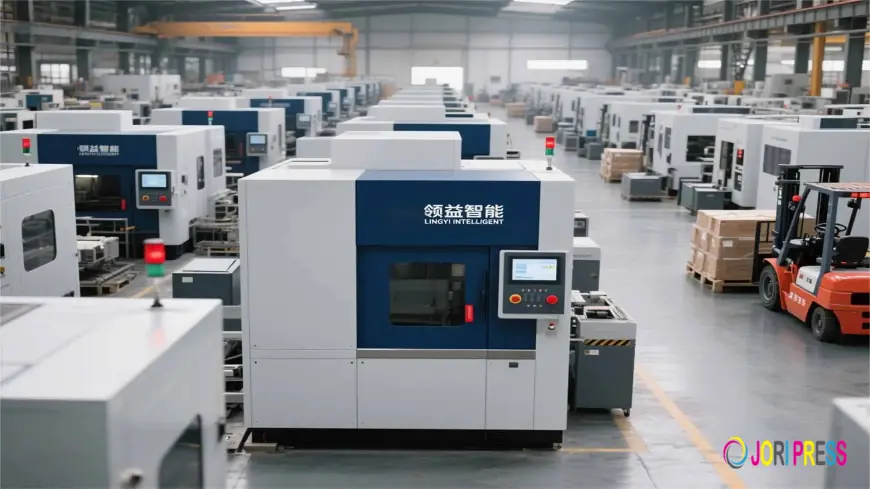
Sheet metal fabrication is an important part of modern manufacturing. It is used to produce machine components, industrial enclosures, automotive parts, electrical cabinets, and many other products. However, not every fabrication project requires the same level of accuracy. Some applications can work with standard fabrication methods, while others need tighter tolerances and more consistent results.
Understanding the difference between standard and precision sheet metal fabrication helps manufacturers choose the right processes, machinery, and quality control methods for their requirements.
What Is Standard Sheet Metal Fabrication?
Standard sheet metal fabrication involves cutting, bending, forming, joining, and finishing metal sheets to create useful components. It is commonly used for products where general dimensions and functional performance are more important than extremely tight tolerances.
Typical applications include brackets, storage cabinets, basic frames, support structures, and general-purpose metal enclosures.
Manufacturers may use conventional cutting equipment, press brakes, welding systems, and manual finishing methods. The required accuracy depends on the product design, material thickness, equipment condition, and manufacturing process.
Standard fabrication can be a practical choice for straightforward components, particularly when production requirements do not demand exceptionally close dimensional control.
What Is Precision Sheet Metal Fabrication?
Precision sheet metal fabrication focuses on producing components with carefully controlled dimensions, repeatable accuracy, and consistent surface quality. It is suitable for applications where even small dimensional variations can affect assembly, performance, or product reliability.
The process may involve CNC laser cutting, punching, precision bending, controlled welding, leveling, deburring, and surface finishing. Manufacturers also use inspection tools and documented quality procedures to check whether finished components meet the required specifications.
Precision sheet metal fabrication is especially useful for industries such as electronics, automotive manufacturing, aerospace, medical equipment, and industrial machinery. These sectors often require components that fit accurately with other parts and maintain consistent quality across production batches.
Key Differences Between Standard and Precision Fabrication
Although both methods use similar basic manufacturing operations, their priorities and quality requirements can differ.
1. Dimensional Accuracy and Tolerances
The main difference is the level of dimensional control required.
Standard fabrication generally works within tolerances appropriate for the product's function. Precision fabrication follows clearly defined tolerances and uses suitable inspection methods to verify dimensions.
The achievable tolerance depends on the material, thickness, part geometry, equipment, and process. Precision fabrication does not automatically mean the same tolerance for every component; the specification must be defined for each application.
2. Machinery and Manufacturing Technology
Standard fabrication may use conventional cutting, bending, and forming equipment. Precision fabrication often relies on CNC-controlled machinery, accurate tooling, repeatable process settings, and automated inspection where appropriate.
For example, a sheet metal cutting machine can cut sheet materials into the required shapes. When the machine is properly configured and maintained, it can help produce repeatable dimensions and reduce manual variation. The appropriate cutting technology depends on material type, thickness, edge requirements, and production volume.
3. Surface Quality and Finishing
Surface quality is another important consideration. Standard fabrication may require basic cleaning, grinding, or finishing, depending on the product.
Precision fabrication often requires more controlled edge finishing, burr removal, flatness correction, and surface treatment. These steps are particularly important when components must fit together accurately or have a clean, uniform appearance.
For stainless steel components, suitable finishing methods help maintain the desired appearance and reduce unwanted scratches or surface defects.
4. Quality Inspection and Consistency
Standard fabrication still requires quality checks, but the inspection process may be simpler for less demanding products.
Precision fabrication generally involves more detailed dimensional checks, tolerance verification, and process monitoring. Manufacturers may use measuring instruments, gauges, coordinate measuring machines, or other inspection equipment depending on the component's complexity.
The objective is to ensure that parts meet their drawings and specifications consistently, not simply to produce one acceptable sample.
5. Production Cost and Lead Time
Standard fabrication can be economical for simple parts because it may require less specialized tooling, inspection, and process preparation.
Precision fabrication can involve higher initial costs due to advanced machinery, tighter process controls, tooling, and inspection requirements. However, it may reduce scrap, rework, assembly problems, and quality-related delays when the application genuinely requires greater accuracy.
The best option is the one that meets the product requirements without paying for unnecessary precision.
The Role of Material Selection in Fabrication
Different metals respond differently to cutting, bending, welding, and finishing. Material properties such as hardness, thickness, ductility, and springback can influence the final dimensions and surface condition.
In stainless steel manufacturing, for example, manufacturers need to consider the selected stainless steel grade, sheet thickness, cutting method, heat effects, and finishing requirements. Stainless steel parts may also need careful handling to avoid scratches and unwanted surface contamination.
Aluminium, carbon steel, and other alloys each have their own processing considerations. Choosing the right equipment and process settings helps manufacturers maintain quality while working with different materials.
How Leveling and Deburring Improve Fabrication Quality
Cutting, punching, and forming operations can leave sheets with residual stress, unevenness, sharp edges, or burrs. These issues can affect downstream manufacturing and the quality of the finished component.
Sheet Metal Leveling
Leveling machines help correct sheet or plate flatness by passing the material through a series of rollers. Proper leveling can improve consistency before bending, welding, coating, or assembly.
The suitable leveling machine depends on material thickness, width, strength, and the flatness requirements of the finished part.
Deburring and Edge Finishing
Deburring machines remove unwanted burrs and help produce smoother, safer edges. Depending on the machine and abrasive configuration, they may also provide controlled edge rounding and surface finishing.
This is particularly useful when components need to be handled safely, assembled accurately, or prepared for painting and coating.
Polishing and Surface Finishing
Polishing equipment helps achieve the required surface appearance and finish. The correct process depends on the metal grade, starting surface condition, desired finish, and production requirements.
Combining appropriate leveling, deburring, and polishing processes can help improve the consistency of fabricated components.
Which Fabrication Method Should Manufacturers Choose?
The choice between standard and precision sheet metal fabrication depends on the intended application.
Standard fabrication may be suitable for general brackets, simple supports, basic frames, and components with relatively flexible dimensional requirements.
Precision fabrication is usually more appropriate for intricate parts, close-fitting assemblies, electronic enclosures, automotive components, and machinery parts where dimensional consistency is important.
Before selecting a process, manufacturers should review the engineering drawings, specified tolerances, material requirements, expected production volume, surface finish, and overall budget. They should also discuss the required quality level with their fabrication or equipment supplier.
Conclusion
Standard and precision sheet metal fabrication both play important roles in modern manufacturing. Standard fabrication offers practical solutions for general-purpose components, while precision fabrication focuses on tighter dimensional control, repeatability, and more consistent finishing where the application requires it.
By choosing suitable cutting, leveling, deburring, and finishing processes, manufacturers can improve production quality and reduce avoidable rework. The right approach depends on the material, component design, tolerance requirements, and intended use.
Lingyi Intelligent Machine provides metal-processing equipment, including leveling, deburring, and polishing machinery, to support sheet metal manufacturing requirements.
Frequently Asked Questions
1. What is the main difference between standard and precision sheet metal fabrication?
Standard fabrication focuses on producing functional parts within the tolerances suitable for their application. Precision fabrication emphasizes tighter dimensional control, repeatability, and more detailed quality inspection where required.
2. Is precision sheet metal fabrication more expensive?
It can be more expensive because it may require advanced equipment, specialized tooling, and additional inspection. However, it can reduce scrap and rework for applications that demand consistent accuracy.
3. Which machines are used in precision sheet metal fabrication?
Common equipment includes CNC laser cutting machines, punching machines, press brakes, leveling machines, deburring machines, and polishing systems. The required combination depends on the component and its specifications.
4. Why is leveling important in sheet metal manufacturing?
Leveling helps improve sheet flatness and consistency before subsequent operations such as bending, welding, coating, or assembly.
5. How can manufacturers improve stainless steel fabrication quality?
Manufacturers can select suitable cutting and forming methods, use appropriate tooling, control material handling, remove burrs carefully, and inspect dimensions and surface finish throughout production.
6. Does precision fabrication always require CNC machinery?
No. CNC equipment is common in precision work, but accuracy also depends on tooling, process control, operator skill, material properties, and inspection methods. Some components can be produced accurately using well-controlled conventional processes.
What's Your Reaction?
 Like
0
Like
0
 Dislike
0
Dislike
0
 Love
0
Love
0
 Funny
0
Funny
0
 Angry
0
Angry
0
 Sad
0
Sad
0
 Wow
0
Wow
0