







































Ceramic Structural Parts for Precision Industrial Equipment

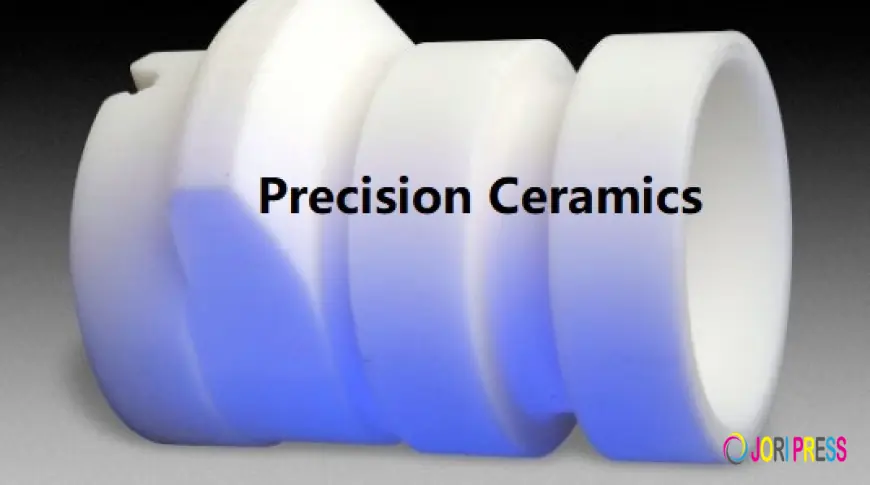
Modern industrial equipment often requires components that can maintain their shape, support mechanical functions, and operate reliably under demanding conditions. As manufacturers explore alternative engineering materials, Ceramic structural parts have become an important option for specialized machinery and technical assemblies. Choosing suitable Ceramic structural parts involves evaluating material strength, dimensional accuracy, thermal behavior, and compatibility with surrounding components. These considerations help engineers develop equipment structures that meet specific operational requirements while maintaining practical manufacturing and assembly processes.
Why Ceramic Components Matter in Structural Design
Structural components are responsible for supporting, positioning, and connecting different parts within industrial equipment. Their material properties can directly influence equipment stability, assembly accuracy, and long-term operating performance.
Ceramic materials offer several characteristics that make them suitable for selected structural applications. Depending on their composition, they can provide hardness, wear resistance, electrical insulation, and resistance to certain chemical environments.
Unlike conventional metal components, ceramic parts may also be useful in applications where electrical insulation or reduced interaction with surrounding materials is required. Their suitability depends on the specific operating conditions and mechanical design.
For equipment engineers, selecting the right ceramic structure requires balancing material properties with the component's actual function. This includes evaluating mechanical loads, contact surfaces, installation methods, and dimensional requirements.
Different Ceramic Materials for Structural Applications
Ceramic structural components can be manufactured using different material compositions. Each material offers characteristics that may suit particular industrial environments.
Alumina ceramics are commonly considered for components requiring hardness, electrical insulation, and thermal stability. They can be used in structural supports, insulating parts, and specialized mechanical assemblies.
Zirconia ceramics are valued for their toughness and suitability for applications involving mechanical contact and wear. Their characteristics make them relevant to certain precision components where resistance to mechanical damage is important.
Other technical ceramic materials may be selected according to specific electrical, thermal, or chemical requirements. Engineers should evaluate material properties alongside the expected working environment instead of relying on general descriptions.
Choosing an appropriate ceramic composition at the beginning of product development can help manufacturers establish suitable processing methods and component dimensions.
ZFCERA Solutions for Customized Structural Components
Different equipment designs often require components with unique shapes and installation requirements. Standard ceramic products may meet general needs, but specialized machinery frequently requires customized structural parts.
ZFCERA provides ceramic product solutions for industrial and technical applications. Manufacturers can explore different ceramic shapes and configurations according to their component designs and production requirements.
When discussing customized products, technical drawings are particularly useful. They can communicate dimensions, hole positions, surface requirements, connection structures, and other important design details.
Material selection should also be discussed during the development process. A component exposed to friction may require different properties from one primarily used for electrical insulation or structural positioning.
Clear communication between suppliers and equipment manufacturers helps establish realistic product specifications. It also provides a practical foundation for evaluating machining requirements and manufacturing feasibility.
Manufacturing Precision and Dimensional Consistency
The production of ceramic structural components involves several processes that influence their final properties and dimensions. Common manufacturing stages include powder preparation, forming, sintering, and precision machining.
During forming, ceramic powder is shaped into an initial component structure. Sintering then develops the material's final ceramic structure through controlled heating. Depending on the product design, additional machining may be required to achieve the specified geometry and surface finish.
Dimensional accuracy is especially important when ceramic components are installed within complex mechanical assemblies. Incorrect dimensions may affect positioning, connections, or the relationship between neighboring parts.
Manufacturers should therefore establish clear tolerance requirements before production begins. Inspection procedures can help evaluate whether finished products meet the agreed specifications.
Consistent manufacturing processes are also useful for businesses producing multiple equipment models or maintaining repeatable assembly workflows.
Selecting Ceramic Structural Parts for Industrial Equipment
Selecting ceramic components involves understanding how each part will function within the complete equipment structure. A material suitable for one application may not provide the required characteristics in another.
Before confirming a product specification, manufacturers should evaluate several factors:
-
Mechanical requirements: Consider compressive loads, contact conditions, and potential impact during operation.
-
Material characteristics: Compare hardness, toughness, insulation, and thermal properties.
-
Dimensional accuracy: Confirm component geometry, tolerances, and installation space.
-
Environmental conditions: Evaluate exposure to heat, moisture, chemicals, and friction.
-
Processing capabilities: Discuss forming, machining, and customization requirements with the supplier.
As industrial machinery continues to incorporate more specialized components, technical ceramics provide additional possibilities for structural design. Careful material selection and accurate manufacturing can help engineers integrate ceramic parts into equipment more effectively.
What's Your Reaction?
 Like
0
 Dislike
0
 Love
0
 Funny
0
 Angry
0
 Sad
0
 Wow
0