


































Fillers in Dubai: What Patients Should Know First
Considering fillers in Dubai? Learn what dermal fillers are, who is suitable, what recovery involves, and how to choose safe, professional treatment.
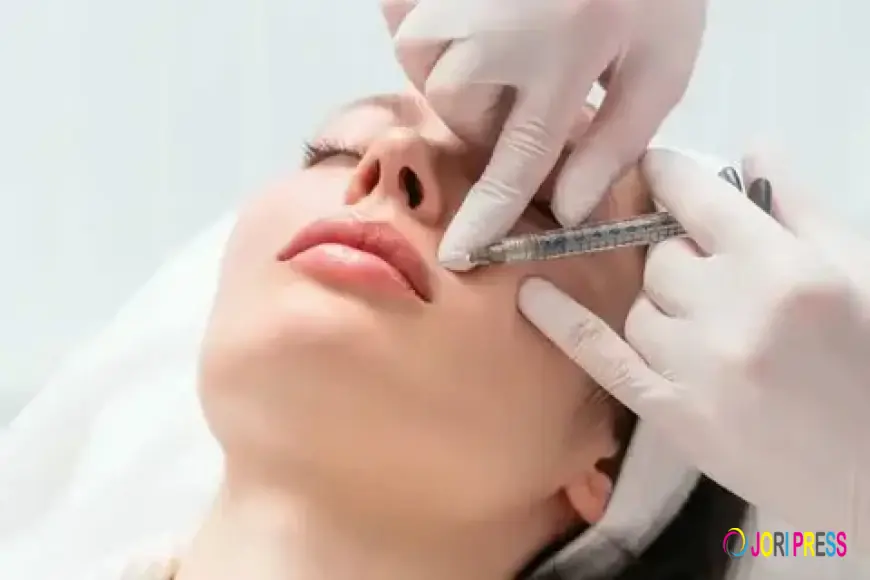
Fillers in Dubai have become one of the most requested non-surgical aesthetic treatments, yet many patients arrive at consultations with unanswered questions. Understanding what dermal fillers are, what they can realistically achieve, and what the treatment involves helps you make an informed decision rather than an impulsive one. This article explains the essentials in clear, medically responsible terms so you can approach treatment with accurate expectations.
What Dermal Fillers Actually Are
Dermal fillers are injectable gels—most commonly hyaluronic acid-based—designed to restore volume, soften folds, or enhance facial contours. Hyaluronic acid occurs naturally in the skin and plays a role in hydration and structural support. Because of this compatibility, many modern fillers are gradually broken down by the body over time.
Different fillers have different consistencies. A softer gel may suit lip enhancement, while a firmer product may be selected for deeper structural support. The choice depends on the treatment area, the patient's anatomy, and the clinician's assessment.
Why Patients Consider Fillers in Dubai
People seek treatment for varied reasons. Some notice volume loss around the cheeks or temples as part of natural aging. Others want to refine lip shape, soften nasolabial folds, or improve under-eye hollowing. In our clinical experience, most patients are not seeking dramatic transformation—they want to look refreshed while still recognizable.
Dubai's climate, lifestyle, and diverse population also influence demand. Many residents and visitors prefer treatments with minimal downtime that fit around work or travel schedules. That said, convenience should never replace proper medical assessment.
Fillers in Dubai: Who Is a Suitable Candidate?
Suitability is not determined by age alone. A clinician typically considers general health, skin condition, medical history, medications, and aesthetic goals. Adults in good general health who have realistic expectations are often appropriate candidates.
Certain factors may require caution or delay treatment. These can include active skin infections near the treatment area, pregnancy or breastfeeding, autoimmune conditions, or a history of severe allergic reactions. Blood-thinning medications may increase bruising risk and should be discussed openly.
Fillers in Dubai: What Happens During Treatment?
A typical appointment begins with consultation and facial assessment. The clinician may review your medical history, examine facial proportions, and discuss which areas to treat and which to leave alone.
Treatment itself usually takes between fifteen and forty-five minutes, depending on the number of areas. A topical anesthetic or filler containing lidocaine may be used to improve comfort. Most patients describe the sensation as brief pressure or a mild sting.
After injection, the clinician may gently massage the area and apply cooling. You can usually return to most daily activities the same day, though strenuous exercise and extreme heat are often advised against for a short period.
Fillers in Dubai: Results, Recovery, and Realistic Expectations
Swelling, redness, or tenderness around injection sites is common and typically settles within a few days. Bruising may occur and can take longer to fade. Initial results may look fuller than the final outcome because of temporary swelling.
Results are visible quickly but continue to settle over one to two weeks. Longevity varies widely based on filler type, treatment area, injection technique, and individual metabolism. Many patients find results last somewhere between six and eighteen months, though this is not guaranteed.
Maintenance sessions can help preserve the effect, but more filler is not always better. Over-treatment can distort facial proportions, which is why staged, conservative approaches are often preferred.
Safety and Professional Assessment
No injectable treatment is entirely risk-free. Possible complications include nodules, vascular occlusion, infection, and asymmetry. These are uncommon when treatment is performed by a qualified clinician using appropriate products and techniques.
Safety begins with proper product sourcing and anatomical knowledge. During a consultation, the clinician may assess your facial vasculature, discuss emergency protocols, and explain what aftercare is required. Patients should feel comfortable asking about the injector's training, the products used, and how complications are managed.
Clinics such as Tajmeels Clinic in Dubai emphasise individualized planning, which matters because filler treatment is not a one-size-fits-all procedure. A thorough assessment reduces the risk of unsuitable treatment and helps align results with your natural features.
Questions Worth Asking Before You Proceed
-
Which product do you recommend for my concern, and why?
-
What are the risks specific to my treatment area?
-
How many sessions might I need?
-
What aftercare instructions should I follow?
-
Who should I contact if I notice something unusual?
Clear answers to these questions are a reasonable indicator of a transparent, patient-focused practice.
Conclusion
Fillers can be a safe and effective option for patients seeking subtle facial refinement, but they are still medical treatments that require proper evaluation. Understanding the products, the process, the recovery, and the limitations helps you set realistic expectations. If you are considering treatment, a consultation with a qualified clinician can clarify whether it is appropriate for you and how to approach it safely.
What's Your Reaction?
 Like
0
Like
0
 Dislike
0
Dislike
0
 Love
0
Love
0
 Funny
0
Funny
0
 Angry
0
Angry
0
 Sad
0
Sad
0
 Wow
0
Wow
0