





































What Makes a Master Smile Designer? Inside the Training and Philosophy of Top Dubai Dentists
Discover what makes a master smile designer in Dubai Marina. Explore advanced aesthetic dental training, digital smile design technology, and expert care at Queen’s Elite Medical.

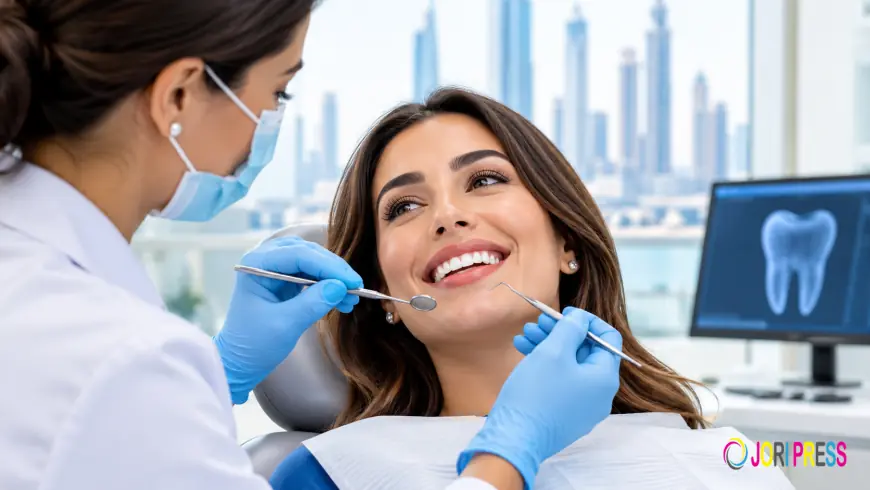
A glowing smile can completely change how you look, speak, and present yourself to the world. In a region where aesthetic standards are exceptionally high, patients seeking cosmetic dentistry are looking for far more than simple tooth restoration. They are searching for clinicians who combine clinical precision with artistic vision—professionals often referred to as master smile designers.
Understanding the advanced credentials, artistic philosophy, and meticulous digital planning behind modern aesthetic dentistry helps you make an informed decision when choosing a provider.
What Is a Master Smile Designer?
A master smile designer is a cosmetic dentist who approaches dental aesthetics by assessing the entire face, not just individual teeth. Rather than relying on a standardized template of white, uniform crowns, these practitioners design custom treatments that harmonize with your unique facial features, lip line, skin tone, and facial dynamics.
Dental Artistry vs. Standard General Dentistry
While general dentistry focuses primarily on oral health, disease prevention, and restoring basic function, cosmetic smile design operates at the intersection of dentistry, facial aesthetics, and digital technology.
-
General Dentistry: Fixes tooth decay, manages gum health, replaces missing teeth, and restores comfortable chewing.
-
Smile Design: Integrates facial proportions, lip movement, phonetic requirements, and light refraction principles to enhance the visual appeal of your smile while preserving optimal bite function.
Core Philosophy: Facially-Driven Aesthetic Dentistry
Top cosmetic practitioners follow a "facially-driven" design philosophy. This means your teeth are planned relative to your interpupillary line (the imaginary horizontal line between your eyes), your facial midline, and the natural movement of your lips during speech and laughter.
Facial Proportions & Midline
       ↓
Dynamic Lip Line Analysis
       ↓
Digital 3D Smile Simulation
       ↓
Minimal-Invasive Clinical Preparation
Key Principles of Advanced Smile Design
-
Facial Harmony: Tooth shape, width-to-length ratios, and edge contours are customized to match round, oval, square, or heart-shaped facial structures.
-
Minimal Invasiveness: Modern philosophy prioritizes preserving natural enamel whenever possible, using micro-thin ceramic veneers or non-invasive bonding techniques.
-
Biological Integration: Restorations are crafted to keep surrounding gum tissue healthy, preventing inflammation or dark lines around the gumline over time.
-
Functional Longevity: A beautiful smile must be functionally stable. Proper alignment prevents premature wear, jaw joint strain (TMJ issues), or restoration fracture.
The Technology behind Digital Smile Design (DSD)
The transition from traditional cosmetic dentistry to modern smile design relies heavily on high-precision digital workflows:
-
3D Intraoral Scanning: Replaces messy traditional impressions with digital 3D models accurate down to the micron.
-
Facial Mapping & HD Photography: Captures dynamic facial expressions to ensure your smile looks natural from every angle, both in motion and at rest.
-
Digital Preview (Diagnostic Mock-Up): Allows you to visually preview and temporary "test drive" your proposed smile inside your mouth before any permanent procedure begins.
-
Computer-Aided Design & Manufacturing (CAD/CAM): Enables high-precision milling of ceramic materials for exceptional fit and durability.
Popular Cosmetic Dental Treatments & Suitability
Cosmetic dentistry encompasses several treatments, tailored to your specific clinical presentation and aesthetic goals.
The Complete Treatment Journey: Step-by-Step
Understanding the clinical workflow helps set clear expectations for your smile transformation:
-
Comprehensive Aesthetic & Health Evaluation: Thorough examination of your teeth, periodontium (gums), bite mechanics, and facial structure, alongside 3D imaging and digital photography.
-
Co-Design & Digital Mock-Up: Collaborating with your dentist to refine tooth shade, shape, and length on screen. A temporary trial smile is placed directly over your natural teeth so you can see the proposed result in real-time.
-
Conservative Preparation: If porcelain veneers or crowns are needed, minimal enamel shaping is performed under local anesthesia.
-
Custom Fabrication: High-grade dental ceramics (such as lithium disilicate or feldspathic porcelain) are crafted in a specialized laboratory to mimic natural tooth translucency.
-
Final Bonding & Verification: Restorations are tried in, checked for fit, color harmony, and bite precision, then permanently bonded using high-strength resin cements.
Candidates, Limitations, and Risk Considerations
Who Is Suitable?
-
Individuals with healthy teeth and disease-free gums.
-
Non-smokers or those committed to maintaining rigorous oral hygiene.
-
Patients seeking to correct stubborn staining, wear, gaps, or structural flaws.
Who May Need Preliminary Care First?
-
Patients with active periodontal (gum) disease or untreated tooth decay.
-
Individuals with severe nocturnal teeth grinding (bruxism) without a nightguard commitment.
-
Patients with severe orthodontic malocclusions that require comprehensive orthodontic care before aesthetic work.
Potential Risks & Considerations
-
Post-Operative Sensitivity: Temporary sensitivity to hot or cold temperatures may occur after enamel preparation or whitening treatments.
-
Irreversibility: Procedures requiring enamel reduction (such as traditional veneers) are permanent choices that require long-term maintenance or periodic replacement.
-
Material Wear: Ceramics and composite resins can chip under excessive force, such as biting hard objects, ice, or opening packages with your teeth.
Aftercare and Long-Term Maintenance
Porcelain restorations and bonded teeth require diligent daily care to maintain their clarity and strength:
-
Daily Hygiene: Brush twice daily with a non-abrasive fluoride toothpaste and use dental floss or interdental brushes daily.
-
Nighttime Protection: If you show signs of night grinding, wear a custom-fitted occlusal nightguard to protect ceramics against fracture.
-
Routine Cleanings: Visit your dental team every six months for professional prophylaxis and specialized polished surface care.
-
Dietary Care: Avoid using your front restorations to bite into hard foods like whole nuts, hard candy, or unshelled seafood.
Choosing an Aesthetic Dentistry Provider in Dubai
Dubai is home to internationally trained dental specialists. When evaluating clinics and clinicians, look for:
-
Transparent Credentials: Verified postgraduate training in aesthetic dentistry, prosthodontics, or memberships in recognized international cosmetic dental academies.
-
Facially-Driven Portfolios: High-definition before-and-after photographs showing consistent, natural-looking results tailored to different facial structures.
-
Digital Capabilities: Use of intraoral scanners, digital diagnostic mock-ups, and modern diagnostic imaging.
-
Clear Patient Communication: A consultation process that listens to your goals, explains limitations openly, and provides a customized treatment plan.
Frequently Asked Questions
What should I look for when researching the best cosmetic dentists in Dubai?
Look for verified clinical credentials, extensive experience in aesthetic dentistry, digital design technology (such as Digital Smile Design), clear before-and-after portfolios, and positive patient testimonials. A preliminary consultation allows you to assess their communication style and treatment philosophy.
How long do porcelain veneers usually last?
With thorough home hygiene, routine professional cleanings, and nightguard protection if needed, high-quality porcelain veneers typically last between 10 and 15 years, and often longer.
Are cosmetic dental procedures painful?
Most cosmetic procedures are virtually painless. Local anesthesia is used during any tooth preparation, and modern techniques minimize post-treatment discomfort.
What is the difference between composite bonding and porcelain veneers?
Composite bonding applies tooth-colored resin directly to the tooth in a single visit, making it ideal for minor fixes. Porcelain veneers are custom-crafted ceramic shells made in a laboratory that offer superior durability, stain resistance, and natural translucency for full smile enhancements.
Can cosmetic dentistry fix a "gummy" smile?
Yes. Depending on the cause, a gummy smile can be corrected using soft-tissue laser recontouring (gingivectomy), lip repositioning, clear aligners, or orthodontic movement to harmonize your tooth-to-gum ratio.
Will my porcelain veneers stain over time?
No. High-quality dental porcelain is non-porous and highly resistant to staining from coffee, tea, reddish sauces, and tobacco.
How many appointments does a full digital smile makeover require?
Most digital smile design treatments require 2 to 4 visits over 2 to 3 weeks. This includes the initial assessment and 3D scan, the diagnostic mock-up preview, tooth preparation, and final insertion.
Do cosmetic dental restorations require special toothpaste?
It is best to use a non-abrasive fluoride toothpaste. Highly abrasive whitening toothpastes can scratch the polished surface of composite restorations or ceramic glazes over time.
Clinic Details & Contact Information
For personalized consultations, treatment planning, and aesthetic evaluations in Dubai Marina:
-
Clinic Name: Queen’s Elite Medical
-
Location: Dubai Marina – Dubai – United Arab Emirates
-
Phone: +971 4 399 0402
-
Email: Info@queenselitemedical.com
-
Website:
Queen's Elite Medical
What's Your Reaction?
 Like
0
 Dislike
0
 Love
0
 Funny
0
 Angry
0
 Sad
0
 Wow
0