



































You Are Not Alone: Support Available at a Rehab Centre Hyderabad
Recovery from addiction is not only about stopping substance use. It is about building a stable, healthy life that reduces the chances of returning to harmful habits.
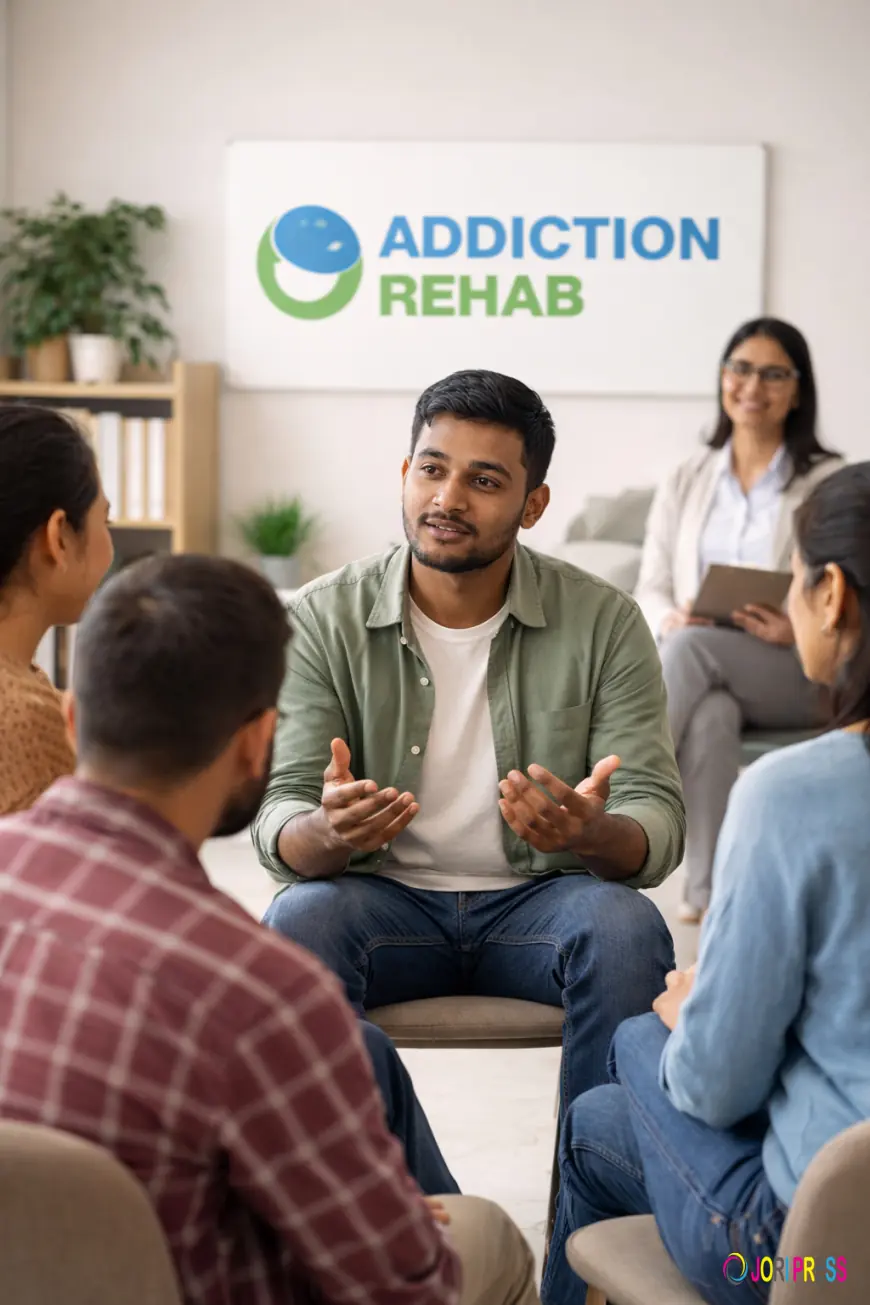
You Are Not Alone: Support Available at a Rehab Centre Hyderabad
Addiction can make people feel isolated, ashamed, and disconnected from their families and communities. Many individuals struggling with substance use believe they must face their challenges alone. In reality, recovery becomes far more possible when professional care, emotional support, and structured treatment programs are available.
Across India, rehabilitation centres play an essential role in helping individuals regain control over their lives. These centres provide medical care, psychological counseling, and structured therapy programs designed to address both the physical and emotional aspects of addiction.
Addiction should never be viewed as a moral failure. It is a complex health condition that requires compassionate care, professional treatment, and a strong support system.
Understanding Addiction as a Health Condition
Addiction affects brain chemistry, emotional regulation, and behavioural patterns. Over time, substances such as alcohol or drugs can change how the brain processes pleasure, stress, and decision making.
Several factors may contribute to addiction, including
• chronic stress and emotional trauma
• untreated mental health conditions
• peer pressure or environmental influence
• genetic vulnerability
• lack of coping strategies for life challenges
Without professional intervention, these factors can make recovery extremely difficult.
Rehabilitation centres help individuals address these root causes through therapy, medical treatment, and long term recovery planning.
How Rehabilitation Centres Support Recovery
Professional rehabilitation programs are designed to help individuals recover in a safe, structured environment. These programs focus not only on detoxification but also on psychological healing and behavioural change.
Most rehabilitation centres provide a combination of treatments such as
• medically supervised detox programs
• individual psychological counseling
• group therapy sessions
• relapse prevention education
• family support and counseling programs
These services work together to support long term sobriety and emotional well being.
The Role of Medical Detox in Addiction Treatment
For many individuals, detoxification is the first step in recovery. Detox allows the body to remove harmful substances while managing withdrawal symptoms under medical supervision.
Medical detox programs help ensure patient safety and comfort during this critical stage of recovery. Healthcare professionals monitor physical symptoms, provide medication if necessary, and offer emotional support throughout the detox process.
Completing detox also prepares individuals for the next stages of rehabilitation, including therapy and behavioral treatment.
Therapy and Counseling in Rehabilitation Programs
Therapy plays a central role in addiction recovery. It helps individuals understand the emotional triggers, life experiences, and behavioural patterns that may contribute to substance use.
Common therapeutic approaches used in rehabilitation centres include
• Cognitive behavioral therapy
• motivational enhancement therapy
• trauma informed therapy
• group therapy and peer support
• family counseling sessions
These therapeutic approaches help patients develop healthier coping strategies and rebuild emotional resilience.
The Importance of a Supportive Recovery Environment
Recovery requires a stable environment where individuals can focus entirely on healing. Rehabilitation centres create structured routines that promote physical health, emotional balance, and social support.
A supportive rehabilitation environment typically includes
• safe and comfortable residential facilities
• structured daily routines and therapy sessions
• physical wellness programs
• community support activities
• relapse prevention education
These structured environments help patients rebuild their confidence and learn healthier lifestyle habits.
Family Support in the Recovery Process
Family involvement can significantly improve the success of addiction recovery. Many rehabilitation centres encourage families to participate in counseling sessions and educational programs.
Family members can support recovery by
• encouraging treatment without judgment
• participating in family therapy programs
• creating a supportive home environment
• helping individuals maintain healthy routines
Strong family support often helps individuals remain motivated throughout their recovery journey.
Accessing Professional Addiction Treatment Services
When individuals begin searching for treatment options, they often look for trusted rehabilitation facilities that provide structured care and professional guidance.
Choosing the right rehabilitation centre involves evaluating several factors
• availability of qualified medical professionals
• structured therapy programs
• patient safety and privacy
• long term recovery planning
• aftercare and relapse prevention support
A well designed treatment program can significantly improve the chances of long term recovery.
Building Long Term Sobriety After Rehabilitation
Recovery does not end when a rehabilitation program is completed. Maintaining sobriety requires ongoing commitment and support.
Many individuals continue their recovery through
• regular counseling sessions
• participation in support groups
• mindfulness and stress management practices
• healthy daily routines and lifestyle changes
• continued family and community support
These practices help individuals maintain emotional stability and avoid relapse.
Expert Perspective on Recovery
Addiction specialists consistently emphasize that recovery is a long term process that requires patience and support.
As many mental health professionals explain
"Recovery is not about perfection. It is about learning, healing, and building a healthier life step by step."
With the right professional guidance and a supportive environment, individuals can overcome addiction and rebuild meaningful lives.
Frequently Asked Questions
What services are offered at rehabilitation centres in Hyderabad
Rehabilitation centres typically offer detox programs, therapy sessions, counseling, relapse prevention planning, and ongoing recovery support.
How long does addiction treatment usually take
Treatment duration varies depending on the individual’s condition. Many rehabilitation programs last between 30 and 90 days, followed by aftercare support.
Is addiction recovery possible with professional help
Yes. With proper medical care, therapy, and family support, many individuals successfully achieve long term recovery.
Why is therapy important during addiction treatment
Therapy helps individuals understand emotional triggers, manage cravings, and develop healthier coping strategies for life challenges.
Can families participate in the rehabilitation process
Yes. Many rehabilitation centres encourage family involvement through counseling sessions and educational programs that support long term recovery.
Conclusion
Addiction recovery is a journey that requires compassion, professional care, and consistent support. Rehabilitation centres provide the structured environment, therapy programs, and medical guidance necessary for individuals to rebuild their lives.
With proper treatment, individuals struggling with substance use can regain control over their health, relationships, and future.
Final Thoughts
No one should face addiction alone. Seeking help is a powerful first step toward healing. With the support of professional rehabilitation programs, compassionate caregivers, and strong community networks, individuals can rediscover hope and move forward toward a healthier and more fulfilling life.
What's Your Reaction?
 Like
0
Like
0
 Dislike
0
Dislike
0
 Love
0
Love
0
 Funny
0
Funny
0
 Angry
0
Angry
0
 Sad
0
Sad
0
 Wow
0
Wow
0