






































Why Timely Car Air Conditioning Repair Matters More Than You Think
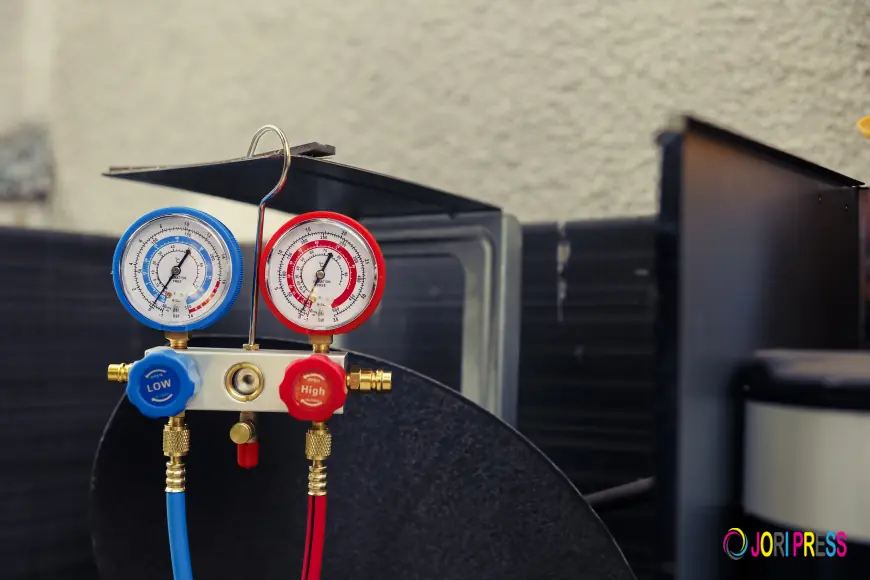
A properly functioning air conditioning system is essential for comfort, visibility, and overall driving performance. When drivers search for Car Air Conditioning Repair in Pymble, it is usually due to weak cooling, inconsistent airflow, or unusual odours from the vents. While these symptoms may appear minor, they often indicate underlying mechanical or electrical concerns that require accurate diagnosis.
Understanding how the system works highlights why proper assessment matters.
How Modern Automotive Air Conditioning Systems Work
Vehicle air conditioning systems operate through a closed-loop refrigeration cycle that manages pressure and temperature to produce cool air inside the cabin. Each component plays a vital role in maintaining consistent performance.
Compressor
The compressor pressurises and circulates refrigerant throughout the system. Driven mechanically or electrically, it converts low-pressure refrigerant gas into high-pressure gas, enabling heat exchange to occur. If compressor efficiency declines due to wear or internal damage, cooling performance drops, and system balance is affected.
Condenser
Positioned at the front of the vehicle, the condenser releases heat absorbed from inside the cabin. As high-pressure refrigerant passes through it, heat dissipates into the outside air, allowing the refrigerant to condense into a liquid state. Restricted airflow or debris buildup can significantly reduce efficiency.
Expansion Valve
The expansion valve manages how much refrigerant flows into your evaporator. By dropping the pressure at a specific rate, it lets the refrigerant chill quickly before it starts soaking up heat. If this flow isn't exactly right, your AC won't get cold enough, putting extra stress on the rest of the system.
Evaporator
Tucked inside the dashboard, the evaporator pulls the heat right out of your cabin air. As warm air blows over it, the refrigerant absorbs that heat, leaving crisp, cool air to circulate back to you. This process also strips out humidity, which is why it’s so helpful for clearing a foggy windscreen.
A fault in any of these components can compromise the entire system.
Common Causes Behind Cooling Problems
Cooling issues are not always caused by low refrigerant alone.
● Refrigerant Leaks: A drop in refrigerant typically signals a leak from seals, hoses, or fittings. Simply topping up gas without repairing the leak often leads to recurring issues.
● Compressor Wear: Continuous operation places stress on compressor bearings and internal parts. Mechanical wear may cause noise, reduced cooling, or total failure.
● Electrical and Sensor Faults: Modern systems rely on pressure switches and electronic sensors. A single faulty component can prevent engagement or cause irregular performance.
● Blocked Condensers: Dirt, insects, and road debris can restrict airflow, reducing the condenser’s ability to release heat efficiently.
Why Quick Regassing Is Not Always the Solution
A refrigerant top-up might bring back the cold air for a while, but it won't fix leaks, electrical glitches, or mechanical wear. Just topping it up without a real diagnosis often leads to higher repair bills later and puts unnecessary stress on parts like your compressor. Proper testing is the only way to see if you’re actually dealing with a pressure issue, blocked airflow, a wiring fault, or internal damage.
The Importance of Early Diagnosis
Putting off a repair can quickly turn a small annoyance into a massive headache. If your refrigerant is low, the system loses lubrication, which can burn out the compressor. Even a tiny leak lets moisture in, which ruins internal parts from the inside out. Plus, electrical faults can throw off your entire climate control setup.
Searching for Car Air Conditioning Repair in Pymble usually starts when the air feels warm, but the "why" is always different. Finding the exact fault through proper troubleshooting is the smartest way to get your AC back to normal and keep it running reliably for the long haul.
What's Your Reaction?
 Like
0
Like
0
 Dislike
0
Dislike
0
 Love
0
Love
0
 Funny
0
Funny
0
 Angry
0
Angry
0
 Sad
0
Sad
0
 Wow
0
Wow
0