








































Why This Book’s Medical Knowledge Feels So Generous

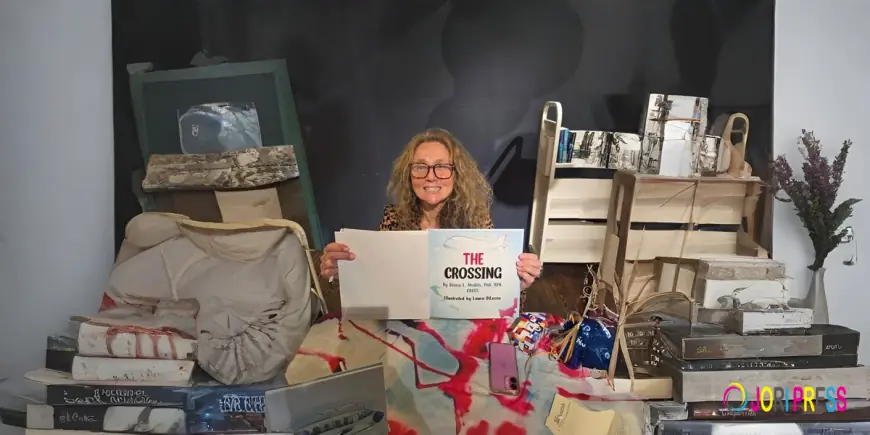
Diana L. Malkin treats lived experience as a source of wisdom, not just something to be explained by experts.
There is a hierarchy built into many stories about illness. Knowledge flows from above. The doctor or adult explains. The person with the condition listens. The reader receives. Diana L. Malkin’s The Crossing quietly undoes that hierarchy. Although the book is written with the confidence of real medical understanding, it also honors something equally important, the expertise people develop by living with a condition every day.
This is one of the most appealing things about the story. The animal characters recognize one another’s diabetes not because an authority figure interprets it for them, but because they know the signs from experience. A low blood sugar does not have to be dramatized into a mystery. Someone sees what is happening. Someone else has the right drink. Supplies are compared with the ease of people who have had to carry them many times before. Malkin is showing children that knowledge can be shared laterally. It can live in families, friendships, and communities of need.
For young readers, this is quietly empowering. A child with diabetes may see in the book a version of their own competence reflected back. A child without diabetes may learn that those living with a condition are not merely recipients of care. They are interpreters of their own lives and often of others’ as well. That shift matters. It restores agency to people who are too often represented only through vulnerability.
The generosity of the book lies in how it communicates this without sounding didactic. Malkin is clearly informed, yet she never uses the story as an excuse to display authority. Instead, she distributes authority among the characters. They learn from one another. They notice. They explain. The educational material is present, but it never crushes the social life of the narrative.
That choice also makes literary sense. Shared knowledge is one of the ways intimacy forms in the book. The characters begin as strangers. They become recognizable to one another partly through the specific things they know, what a low looks like, what supplies are necessary, how travel complicates management, and how much preparation hides beneath ordinary movement. Medical understanding becomes social glue.
The migration theme adds another layer. In unfamiliar places, institutional support may not be immediate. The knowledge carried by peers and companions can therefore become even more valuable. The Crossing suggests this with admirable subtlety. It never romanticizes the absence of formal care, but it does show the practical importance of communal competence.
Malkin’s background in health care makes this all the more notable. She could easily have centered her expertise on the figure of the professional. Instead, she gives dignity to the everyday literacy of living with diabetes. That is a humane and realistic choice, one that makes the book more credible as well as more moving.
Buy The Crossing for its warmth and for its unusually respectful treatment of lived medical knowledge, a story that shows children that understanding can belong to the people who need it most and that shared experience can become a life-saving form of trust.
What's Your Reaction?
 Like
0
Like
0
 Dislike
0
Dislike
0
 Love
0
Love
0
 Funny
0
Funny
0
 Angry
0
Angry
0
 Sad
0
Sad
0
 Wow
0
Wow
0