

































Why Hiring a Licensed Chimney Inspector Matters for Home Safety
Protect your home with a professional evaluation from a licensed chimney inspector. Learn how expert chimney inspections identify safety risks, prevent costly damage, and keep your fireplace system operating safely and efficiently.
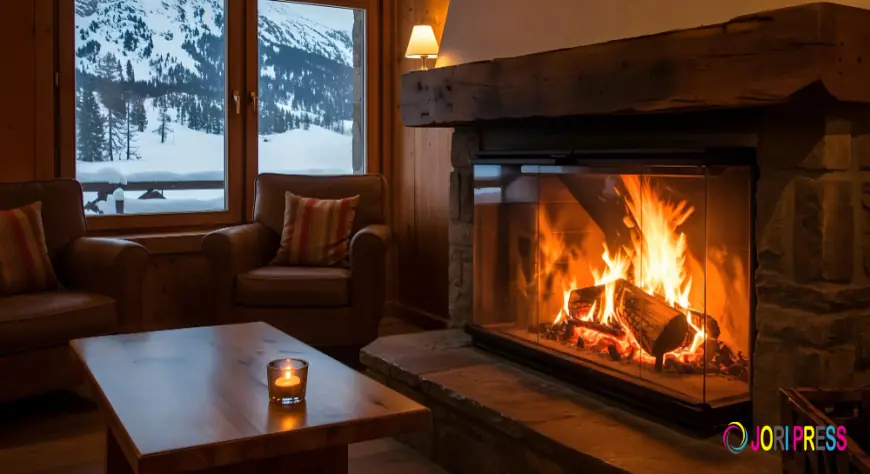
A well-maintained chimney is essential for the safety and efficiency of any home with a fireplace or wood-burning stove. Many homeowners underestimate the importance of professional chimney inspections, often assuming that a quick visual check is enough. However, hidden problems inside the chimney system can lead to serious safety hazards such as fires, structural damage, and poor air quality.
Hiring a licensed chimney inspector ensures that your chimney system is properly evaluated by a trained professional who understands the technical aspects of chimney safety and performance. Professional inspections help detect issues early and protect your home from costly repairs and dangerous conditions.
Why Professional Chimney Inspections Are Important
Chimneys operate in a high-temperature environment and are exposed to smoke, creosote buildup, moisture, and debris. Over time, these factors can cause deterioration within the chimney structure.
A qualified inspector has the expertise to identify potential risks that may not be visible to homeowners. These include damaged flue liners, blocked ventilation paths, cracks in masonry, and excessive creosote accumulation. Addressing these issues early can significantly reduce the risk of chimney fires and carbon monoxide exposure.
Professional inspections also ensure that the chimney meets safety standards and functions efficiently. When airflow is restricted or structural components are compromised, the fireplace may not perform properly, which can affect indoor air quality and heating efficiency.
What a Professional Inspection Typically Includes
A licensed professional follows established inspection standards to evaluate the entire chimney system. During an inspection, the professional carefully examines several key components:
-
The chimney flue and liner
-
Masonry and structural integrity
-
Creosote buildup levels
-
Ventilation pathways
-
Chimney cap and crown condition
-
Signs of water damage or deterioration
Advanced tools such as specialized cameras may also be used to inspect hard-to-reach areas inside the flue. This detailed assessment helps ensure that any hidden problems are identified before they become serious hazards.
Common Problems Found During Chimney Inspections
Professional inspections often uncover issues that homeowners are unaware of. Some of the most common problems include creosote buildup, which is a highly flammable residue produced by burning wood. If not cleaned regularly, it can ignite and cause chimney fires.
Cracks in the flue liner are another frequent concern. The liner protects the chimney walls from extreme heat and directs smoke safely outside the home. When the liner is damaged, heat and gases may escape into surrounding structures.
Moisture damage is also a significant issue. Rainwater entering through a damaged chimney cap or crown can weaken masonry and lead to long-term structural deterioration.
When Homeowners Should Schedule an Inspection
Experts generally recommend that chimneys be inspected at least once a year, especially before the start of the colder months when fireplaces are used more frequently. Annual inspections help ensure that the chimney system remains safe and efficient.
Additional inspections may be necessary after major weather events, chimney fires, or property renovations that could affect the chimney structure. Regular evaluations provide peace of mind and help homeowners maintain a safe living environment.
The Value of Working With a Qualified Professional
Choosing a trained and licensed professional provides several important benefits. Licensed inspectors follow recognized industry standards and safety guidelines when evaluating chimney systems. Their training allows them to identify potential hazards accurately and recommend appropriate maintenance or repairs.
Professional inspectors also provide detailed reports explaining the condition of the chimney and any corrective actions that may be required. This documentation is valuable for homeowners who want to maintain their property responsibly and ensure long-term safety.
Protecting Your Home and Family
Chimney maintenance is an important part of responsible homeownership. While fireplaces create warmth and comfort, they must be supported by a properly functioning chimney system.
By scheduling regular inspections and working with a qualified professional, homeowners can reduce safety risks, improve fireplace efficiency, and extend the lifespan of their chimney structure.
Investing in professional chimney inspections is a simple step that can make a significant difference in protecting both your property and the people who live in it.
? View the Complete Article:
What's Your Reaction?
 Like
0
Like
0
 Dislike
0
Dislike
0
 Love
0
Love
0
 Funny
0
Funny
0
 Angry
0
Angry
0
 Sad
0
Sad
0
 Wow
0
Wow
0