







































Why Deep Upholstery Care Extends Beyond Aesthetics

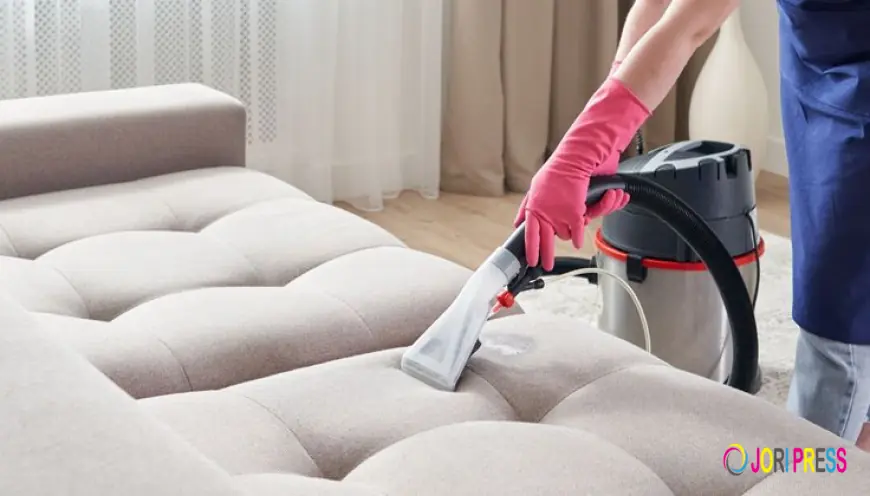
The centerpiece of the modern living room is more than just a piece of furniture; it is a high-traffic intersection of daily life. We eat on our couches, work from them, share them with pets, and collapse onto them after long days. Because of this intimacy, the fabric of a sofa becomes a physical record of our environment. While a surface may look relatively clean to the naked eye, the internal layers of foam and the tight weaves of the textile act as a high-capacity filter for the home’s indoor air.
When we talk about maintaining a healthy home, we often focus on air purifiers and floor care, yet the upholstery remains one of the largest "soft surfaces" in any building. Over time, these surfaces collect an invisible weight of organic matter. From skin cells and perspiration to microscopic pollen and outdoor pollutants tracked in on clothing, the accumulation is constant. Understanding the science behind these fibers and the necessity of professional intervention is the first step in protecting both your health and your financial investment in home furnishings.
The Physics of Friction and Fiber Degradation
One of the most misunderstood aspects of upholstery care is the role of dry soil. Most people wait until they see a visible spill or a darkened armrest before considering a deep clean. However, the most damaging element to a couch is actually the dry, abrasive silt that settles deep into the base of the fabric.
Every time someone sits down, the fibers of the fabric are compressed. If those fibers are coated in microscopic grit, sand, dust, or dried mud, that grit acts like tiny sandpaper. The friction caused by daily movement saws away at the integrity of the threads, leading to "thinning" and eventually the "pilling" that makes a sofa look aged and worn. This is why a couch can look "tired" even if it hasn't suffered a major spill. Professional extraction methods are designed to vibrate and lift this abrasive silt out of the foundation, a feat that standard household vacuuming simply cannot achieve with its limited airflow and agitation.
The Challenge of Modern Textile Engineering
The diversity of materials used in furniture today makes maintenance more complex than ever. A decade ago, most sofas were made of standard cotton, wool, or basic polyester. Today, we see a surge in "performance fabrics," microfibers, viscose blends, and velvet-textures that respond very differently to moisture and heat.
For instance, viscose, often marketed as "art silk", is notoriously sensitive to water. If a homeowner attempts to spot-clean a viscose blend with a standard water-based cleaner, the fibers can lose their structure, turn brown, or become permanently stiff. On the other end of the spectrum, high-density microfibers are excellent at repelling liquid but tend to "grab" oil from human skin and pet fur. These oils eventually oxidize, creating a dull, tacky film that attracts more dust.
A professional technician doesn't just "wash" a couch; they perform a forensic analysis of the material. By identifying the weave and the cleaning code, they can apply a pH-balanced solution that breaks down body oils and atmospheric pollutants without stripping the fabric's natural flame retardants or dye stabilizers. This level of precision is what differentiates a simple refresh from a true restoration.
Impact on Indoor Air Quality and Allergens
For those living with asthma or seasonal allergies, the couch is often an overlooked trigger. Unlike hard flooring, which can be easily sanitized, upholstery provides a warm, dark, and porous environment where dust mites thrive. These microscopic organisms feed on the skin cells we naturally shed. While the mites themselves are harmless, their waste products are potent allergens that can cause sneezing, itchy eyes, and respiratory discomfort.
Because a sofa is "breathable," every time you sit down, you create a "plume" effect, pushing air trapped inside the cushions out into the room. If that air is filtered through a dirty cushion, it carries allergens directly into your breathing zone. Regular couch cleaning services utilize high-temperature steam or specialized HEPA-filtered extraction to neutralize these biological triggers. This process doesn't just make the room look better; it physically removes the source of irritation from the environment, making the air in your living space significantly cleaner.
The Economics of Preservation vs. Replacement
In the current economic climate, the trend toward "restoration over replacement" has gained significant momentum. A high-quality sofa is a major purchase, often costing thousands of dollars and requiring weeks or months for delivery. When a piece begins to look dingy or develops an odor, many consumers consider replacing it. However, in the vast majority of cases, the structural integrity of the furniture, the frame and the springs, is still perfectly intact.
Professional cleaning is a fraction of the cost of a new purchase. By investing in a deep clean once every 12 to 18 months, you can effectively double the lifespan of the upholstery. It prevents the permanent setting of stains and the "graying" of light-colored fabrics that occurs when soil is allowed to sit for years. Furthermore, for those with high-end designer pieces, professional maintenance preserves the resale value of the furniture, should you ever decide to redecorate.
Addressing the Invisible: Odors and Sanitization
Odors are perhaps the most stubborn issue in home maintenance. They are often the result of bacteria breaking down organic matter, spilled milk, pet accidents, or even just accumulated sweat. Most retail deodorizers are "masking agents"; they use heavy perfumes to hide the smell, but they do nothing to remove the bacteria causing it. Once the perfume evaporates, the odor returns.
True odor neutralization requires a molecular approach. Professionals use enzymes that "eat" the organic source of the smell or oxidation treatments that break down the odor-causing molecules. This is especially vital for households with pets. Even the best-behaved pet leaves behind oils and dander that can develop a distinct "doggy" smell over time. A professional extraction pulls these oils out of the foam padding, leaving the piece truly fresh rather than just scented.
Preparing Your Living Space for Service
To ensure the best results from a professional visit, a few simple steps can be taken. Start by clearing the area around the furniture so the technician has 360-degree access. While the professional will provide a deep vacuuming, removing large debris from between the cushions beforehand is always appreciated.
Be prepared to discuss the history of the piece. If there was a specific spill that you attempted to clean yourself, let the technician know what products you used. Some over-the-counter cleaners contain bleaching agents or high-alkaline soaps that can react with professional solutions. Being transparent about previous DIY attempts allows the specialist to adjust their chemistry to avoid unwanted reactions.
A home is a sanctuary, and the couch is its heart. By moving beyond surface-level cleaning and embracing the technical necessity of deep-tissue upholstery care, you ensure that your home remains a place of genuine comfort and health.
What's Your Reaction?
 Like
0
Like
0
 Dislike
0
Dislike
0
 Love
0
Love
0
 Funny
0
Funny
0
 Angry
0
Angry
0
 Sad
0
Sad
0
 Wow
0
Wow
0