



































When Should You Call a Washer Repair Service? Common Signs to Watch For
Spot the signs your washer needs repair before a flooded laundry room happens. Trusted washer repair service in Atlanta for all major brands.
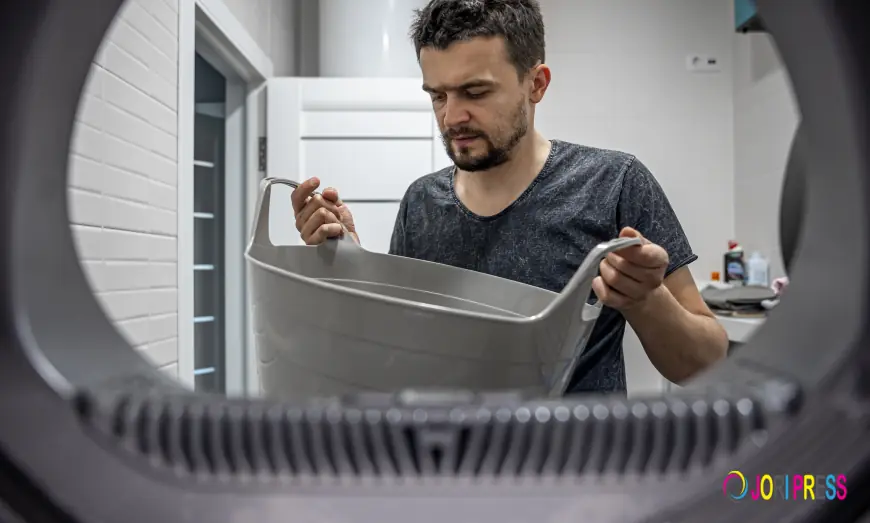
A washing machine handles roughly 300 loads a year in the average household. With that kind of workload, a breakdown is not a matter of if, it is a matter of when. The good news is that most washers give clear warning signs weeks before they fail completely.
Knowing when to call a washer repair service saves you from a flooded laundry room, a ruined load of clothes, or an emergency call on a Sunday night. This guide covers the signs to watch for, what each one means, and when a quick fix is enough versus when you need a washing machine technician.
What Are the Signs You Need Washer Repair?
The clearest signs you need washer repair are loud or new noises during the cycle, water pooling on the floor, clothes coming out still wet or dirty, a drum that will not spin, and error codes that keep returning after a reset. Any of these points to a specific part failing, and catching it early keeps the repair simple.
Sign 1: Loud or Unusual Noises
What it means: A mechanical part is worn or loose.
A washer runs with a steady hum during normal cycles. Banging, grinding, or squealing sounds usually point to worn drum bearings, a loose drum, or an object caught in the pump. Squealing during spin often means a worn belt or motor bearing.
Some noise during spin is normal, especially with an unbalanced load. A sound that repeats every cycle, regardless of load size, is not.
Sign 2: Water Leaking Onto the Floor
What it means: A hose, seal, or pump has failed.
Water around the base of the washer is one of the most common reasons homeowners search for washer repair near me. The source depends on the machine type:
|
Leak Location |
Likely Cause |
Front Load |
Top Load |
|
Around the door |
Worn door gasket |
Common |
Rare |
|
Behind the machine |
Cracked or loose hose |
Common |
Common |
|
Underneath |
Pump seal or drain issue |
Common |
Common |
|
From the tub |
Overfill or worn tub seal |
Rare |
Common |
A small leak left alone damages flooring and can reach nearby electrical outlets. Address it as soon as you notice it.
Sign 3: Clothes Come Out Still Dirty or Soaking Wet
What it means: The machine is not completing a full cycle.
If detergent residue stays on clothes or fabric never fully dries out during the spin cycle, the washer may not be filling, draining, or spinning correctly. A clogged filter, a failing pump, or a worn drive belt are the usual causes. This issue often develops slowly, so many homeowners run several disappointing loads before calling for repair.
Sign 4: The Drum Will Not Spin
What it means: A belt, motor, or control board issue.
A broken drive belt is the most common reason a drum stops spinning. Worn motor brushes or a failing control board are less common but more expensive to fix. Either way, a washing machine technician needs to open the cabinet to confirm the cause, since guessing between these parts from the outside is not reliable.
Sign 5: Excessive Vibration or the Machine Moves During Cycles
What it means: The washer is out of level or a suspension part has failed.
Front load washer repair calls often trace back to worn shock absorbers or springs, since front load drums spin at higher speeds and put more strain on the suspension system. Top load models more often shake due to an unbalanced load or feet that need adjusting. If your washer walks across the floor during spin even with a balanced, small load, a technician should check the suspension components before the movement damages the water inlet hose or drain connection.
Sign 6: Error Codes That Keep Returning
What it means: A sensor or control system fault.
Modern washers display codes for issues ranging from a water fill problem to a door lock failure. A code that clears after unplugging the unit for 60 seconds but returns on the next cycle points to a real fault, not a glitch. Common examples:
|
Code Pattern |
General Meaning |
|
Fill or water level code |
Water inlet valve or pressure sensor issue |
|
Drain code |
Clogged pump or drain hose |
|
Door lock code |
Faulty lock mechanism or control board signal |
|
Motor or spin code |
Belt, motor, or tachometer failure |
Exact codes vary by brand, so check your manual for the specific meaning before calling for washer repair service.
Sign 7: Musty or Persistent Odors
What it means: Mold or bacteria buildup, common in front load machines.
Front load washers trap moisture in the door gasket and drum more than top load models, which allows mold and mildew to grow if the door stays closed between loads. A deep clean often solves this. If odors return quickly after cleaning, a drainage issue or a worn gasket may be trapping water inside the machine.
Why Do Washing Machine Problems Matter Beyond Convenience?
Washing machine problems carry a real safety risk, not just an inconvenience. According to the National Fire Protection Association, washing machines and dryers cause an average of nearly 16,000 home fires each year in the United States, most tied to electrical faults or blocked components. Electrical warning signs, including burning smells, sparking, or a breaker that trips during use, call for an immediate service stop and a professional inspection.
Repair or Replace: How Do You Decide?
Short answer: repair if the machine is under 8 years old and the fix costs less than half the price of a new unit. Replace if it is older and facing a motor, control board, or drum bearing failure.
Washing machine repairs succeed roughly 80 to 90 percent of the time when handled by a professional service, according to industry repair data. That success rate drops for machines past 10 years old, since parts availability shrinks and multiple components tend to fail close together.
Why Atlanta Homes Face Extra Wear on Washers
Atlanta's water supply runs harder than many parts of the country, and mineral buildup from hard water speeds up wear on valves, hoses, and pump components over time. Humid summer months also slow moisture evaporation in laundry rooms, which raises the odds of mold and odor issues in front load machines specifically. Homeowners in the metro area benefit from an annual inspection, even without an obvious symptom, to catch mineral buildup before it damages the fill valve.
How Appliance Care of Atlanta Helps
Appliance Care of Atlanta repairs the exact issues covered above, from a leaking front load washer to a top load model that will not spin. Our washing machine technicians work on all major brands, diagnose error codes accurately the first visit, and carry common parts to avoid a second trip. If your washer is showing any of these signs, a diagnostic visit now is far cheaper than a flooded laundry room later.
Key Takeaways
-
New noises, leaks, or error codes almost always appear before a washer fails completely.
-
Front load and top load machines fail in different ways, so match the symptom to your machine type.
-
Washing machine repairs succeed 80 to 90 percent of the time when caught early and handled by a professional.
-
Electrical warning signs, including burning smells or tripped breakers, need immediate attention for safety.
-
Atlanta's hard water adds extra strain on valves and hoses, so annual inspection helps prevent bigger repairs.
Frequently Asked Questions
How do I know if my washing machine needs repair or replacement? Repair usually makes sense for machines under 8 years old with a single failed part. Replacement is often smarter for older machines facing motor, control board, or drum bearing failure, since repair costs climb close to replacement price.
Why does my front load washer smell musty? Front load washers trap moisture around the door gasket, which allows mold and mildew to grow if the door stays closed between loads. Regular cleaning and leaving the door open after each cycle usually prevents this.
Can I fix a washing machine leak myself? Loose hose connections are safe to tighten yourself. Leaks from the pump, tub seal, or internal components should go to a licensed washing machine technician to avoid further damage.
How fast can I get emergency washer repair in Atlanta? Most appliance repair companies, including Appliance Care of Atlanta, offer same-day or next-day appointments for urgent issues like active leaks or a washer that will not stop mid-cycle.
Why does my washer shake or move during the spin cycle? Excessive vibration usually points to an unlevel floor, worn suspension springs, or a failing shock absorber, especially in front load models that spin at higher speeds.
What's Your Reaction?
 Like
0
Like
0
 Dislike
0
Dislike
0
 Love
0
Love
0
 Funny
0
Funny
0
 Angry
0
Angry
0
 Sad
0
Sad
0
 Wow
0
Wow
0