



































What to Do After a House Fire: 10 Steps to Protect Your Home
Learn what to do after a house fire with 10 essential steps to protect your home, prevent further damage, and begin the recovery process safely.

Quick Answer
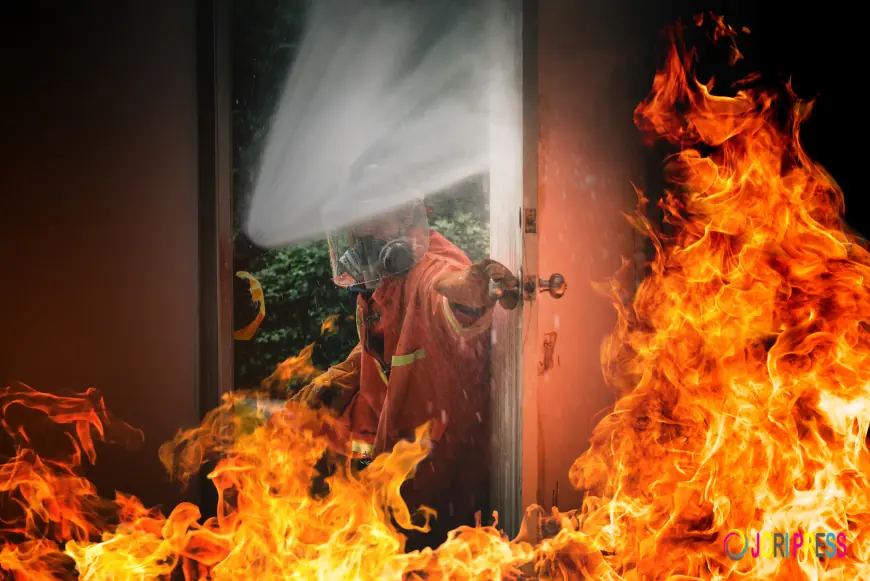
After a house fire: wait for the fire department to clear the property, get medical checks for anyone exposed to smoke, call your insurance company, secure the structure, document everything before cleanup, and call a professional fire damage restoration company within 24–48 hours to prevent secondary damage like mold and permanent soot staining. Below is the full 10-step checklist Macon homeowners can follow, in order.
A house fire doesn't just take minutes to happen — it takes months to recover from. Once the flames are out and the fire trucks pull away, most homeowners are left standing in their driveway asking the same question: what do I actually do next?
The decisions you make in the first 24 hours after a fire affect your family's safety, how much of your insurance claim gets paid, and whether smoke and water damage turn into permanent problems like mold, warping, and lingering odor. This guide walks you through exactly what to do after a house fire — in order, with nothing skipped — so you can move from shock to action with confidence.
If you're in Macon, Middle Georgia, or the surrounding area and need help right now, KC Construction & Restoration is available 24/7 at (478) 785-0444.
Before You Do Anything: Is It Safe?
Do not enter your home until the fire department or a fire official has confirmed it's safe to do so — even if the flames looked contained to one room. Heat can weaken floor joists, ceiling supports, and load-bearing walls without any visible sign from the outside. Smoke and soot can also carry toxic byproducts (from burned plastics, foam, and synthetic materials) that irritate lungs and skin long after the smoke has cleared. Wait for clearance. Then follow the steps below.
The 10 Steps to Take After a House Fire
Step 1: Confirm Everyone (Including Pets) Is Safe and Get Medical Checks
Account for every person and pet who was in or near the home. Smoke inhalation symptoms — coughing, headache, confusion, shortness of breath — don't always show up immediately, and adrenaline can mask them for hours. Anyone who was in the home during the fire, especially children, older adults, and pets, should be evaluated by a medical or veterinary professional even if they "feel fine."
Step 2: Call the Fire Department Back (or Confirm Their Report) and Get an Incident Report Number
You'll need the official fire report number for your insurance claim, so before you leave the scene, confirm with the responding fire department how to request a copy of the incident report. This single number will save you days of back-and-forth with your adjuster later.
Step 3: Notify Your Homeowners Insurance Company Immediately
Call your insurer's emergency claims line the same day if possible. Ask three things: your claim number, your adjuster's contact information, and whether your policy covers Additional Living Expenses (ALE) — this is what pays for a hotel, meals, and temporary housing while your home is unlivable. Most Georgia homeowners policies include ALE coverage, but it's rarely explained until you ask.
Step 4: Secure the Property
Once you're cleared to approach (not necessarily enter) the home, board up broken windows and doors and tarp any roof damage to keep out rain, animals, and trespassers. Weather and vandalism are the second wave of damage after a fire, and most insurance policies expect you to take "reasonable steps" to prevent further loss. If the damage is significant, have a licensed restoration contractor handle board-up and tarping — climbing on a fire-weakened roof yourself is not worth the risk.
Step 5: Contact Your Utility Companies
Firefighters typically shut off gas and electricity on scene, but you'll need to formally notify your providers so service stays off until an inspector clears the home's wiring and gas lines.
-
Georgia Power (electric): 1-888-891-0938
-
Atlanta Gas Light (gas): 1-877-427-4321
-
Local water/sewer authority: check with Macon Water Authority
Never attempt to reset a breaker or relight a gas appliance yourself after a fire.
Step 6: Document Everything Before You Touch Anything
Before any cleanup, salvage, or discarding happens, photograph and video every room, every damaged item, and every visible sign of smoke, soot, or water damage. Do this from multiple angles and don't skip areas that "look fine" — smoke damage often travels into rooms untouched by flames. Keep a written list of damaged belongings with estimated values; this becomes your home inventory for the adjuster. Do not throw anything away yet, even things that seem obviously ruined — your insurer may need to see them first.
Step 7: Arrange Temporary Housing
If your home is uninhabitable, contact family, friends, or your insurance company about ALE-covered lodging. If you don't have immediate options, the American Red Cross of Middle Georgia and local shelters can provide emergency housing, clothing, and basic necessities within hours of a fire. Save every receipt tied to lodging, food, and incidentals — most are reimbursable under your policy.
Step 8: Address Smoke, Soot, and Water Damage Within 24–48 Hours
This is the step homeowners underestimate most. Water used to extinguish the fire — often hundreds to over a thousand gallons — soaks into drywall, subflooring, and insulation. Mold can begin growing in as little as 24 to 48 hours in that trapped moisture, which is a separate and often more expensive problem than the fire itself. At the same time, acidic soot residue continues etching into metal, grout, and finishes the longer it sits. Fast action here is what separates a manageable restoration from a full teardown.
Step 9: Replace Critical Documents and Protect Your Finances
Make a list of documents likely lost or damaged — ID, passport, Social Security card, deed or lease, insurance policy, medical records, financial account info — and start replacing them. Also notify your bank and credit card companies if physical cards were destroyed, and keep every fire-related receipt for tax and insurance purposes.
Step 10: Hire a Licensed Fire Damage Restoration Company
Once safety, insurance, and documentation are handled, bring in a professional restoration team — not a general cleaning crew — to run the actual fire damage restoration process: assessment, water extraction, soot and smoke removal, odor treatment, and reconstruction. Waiting on this step, or trying to DIY it, is the single biggest driver of secondary damage claims (see the mistakes section below).
House Fire Recovery Checklist
Use this as your quick-reference version of the 10 steps above:
-
Everyone (including pets) accounted for and medically checked
-
Fire department clearance obtained before re-entry
-
Fire incident report number requested
-
Insurance company notified — claim number and ALE coverage confirmed
-
Property boarded up / roof tarped
-
Utility companies notified (gas, electric, water)
-
Photos and video of all damage taken before cleanup or disposal
-
Home inventory list started (item + estimated value)
-
Temporary housing arranged; receipts saved
-
Restoration company contacted within 24–48 hours to stop mold and secondary damage
-
Damaged documents, IDs, and cards flagged for replacement
-
Discarded any food, medicine, or cosmetics exposed to heat, smoke, or soot
The Fire Damage Restoration Process, Explained
Once a professional team is on-site, the fire damage restoration process generally follows this order:
-
Inspection & Damage Assessment — identifying the extent of fire, smoke, and water damage, including areas not visible to the eye.
-
Board-Up & Roof Tarping — securing the structure against weather and intrusion (often already done in Step 4).
-
Water Removal & Drying — extracting standing water from firefighting efforts and using industrial dehumidifiers to prevent mold before it starts.
-
Smoke & Soot Removal — cleaning affected surfaces, HVAC systems, and belongings using techniques matched to the soot type (see below).
-
Odor Removal — treating the structure with thermal fogging, ozone, or hydroxyl treatment to eliminate smoke odor at the molecular level, not just mask it.
-
Cleaning & Sanitizing — restoring salvageable belongings, textiles, and structural materials.
-
Reconstruction — replacing drywall, flooring, cabinetry, or framing that can't be restored, up through full rebuilds for severe losses.
This is exactly the process our fire remediation and fire/smoke remediation teams run for every Macon-area homeowner.
Smoke and Soot Damage Cleanup: Why DIY Usually Backfires
Not all soot is the same, which is why generic cleaning advice online often makes things worse:
-
Dry smoke residue (from fast, high-heat fires like wood or paper) is powdery and easier to wipe — but still requires the right technique to avoid smearing it deeper into porous surfaces.
-
Wet smoke residue (from smoldering, lower-heat fires involving plastic or rubber) is sticky, smeary, and has a strong odor that spreads easily if wiped with the wrong cleaner.
-
Protein residue (from kitchen fires) is nearly invisible but leaves a strong odor and can discolor paint and varnish on contact.
Using water or household cleaners on soot before it's identified often smears acidic residue deeper into drywall, grout, and fabric — turning a cleanable surface into one that has to be replaced. This is covered in more detail in our guide to smoke vs. soot damage.
5 Costly Mistakes Homeowners Make After a Fire
-
Cleaning soot with water before it's tested. Wet cleaning the wrong soot type can permanently set stains and odor into surfaces.
-
Throwing away damaged items before documenting them. Your adjuster needs to see (or at least see photos of) items before they're discarded.
-
Delaying the restoration call. Every day of delay increases the odds of mold, which many policies treat as a separate — and sometimes uncovered — claim.
-
Re-entering before official clearance. Structural damage isn't always visible, and floors or ceilings can collapse without warning.
-
Assuming smoke damage is only in the burned room. Smoke travels through HVAC ducts and settles in rooms far from the fire's origin — untreated ducts can reintroduce odor and soot for months.
DIY vs. Professional Restoration: What You Can (and Can't) Handle Yourself
|
Task |
DIY-Safe? |
Why |
|
Photographing damage for insurance |
✅ Yes |
No special equipment needed |
|
Contacting insurance & utilities |
✅ Yes |
Just phone calls |
|
Discarding exposed food/medicine |
✅ Yes |
Low risk, just document first |
|
Boarding up windows/doors |
⚠️ Caution |
Fine for minor damage; hire out if structure is unstable |
|
Cleaning soot off walls/surfaces |
❌ Not recommended |
Wrong technique can permanently set damage |
|
Water extraction & drying |
❌ Not recommended |
Needs industrial equipment to beat the mold clock |
|
HVAC/duct cleaning after fire |
❌ Not recommended |
Requires specialized vacuum and inspection tools |
|
Structural repair/reconstruction |
❌ Not recommended |
Requires licensed contractor and permits |
FAQs: What to Do After a Fire
What is the very first thing to do after a house fire?
Make sure everyone, including pets, is safe and get medical attention if anyone was exposed to smoke — even without visible symptoms. Do not re-enter the home until the fire department confirms it's safe.
How soon should I call a restoration company after a fire?
Within 24 to 48 hours. Mold can start growing in water-soaked materials within this window, and soot residue becomes harder to remove the longer it sits.
Does homeowners insurance cover smoke and soot damage?
In most cases, yes — standard homeowners policies typically cover fire, smoke, and soot damage, plus Additional Living Expenses if your home is uninhabitable. Coverage specifics vary, so confirm details directly with your adjuster.
Can I clean smoke damage myself?
Minor surface soot on hard, non-porous surfaces can sometimes be handled with the right dry-cleaning sponge, but soot on fabric, drywall, HVAC systems, or anything with an odor should go to a professional — the wrong cleaning method can set the stain and smell permanently.
How long does the fire damage restoration process take?
Minor smoke damage restoration can take a few days to a week. Significant structural fire damage, including reconstruction, can take several weeks to a few months depending on scope.
Should I throw away fire-damaged belongings right away?
No. Photograph and list every item first. Your insurance adjuster may need to review damaged belongings before you dispose of them, and some items may be salvageable through professional cleaning.
What should I do if I'm renting, not owning, the home?
Notify your landlord or property manager immediately and contact your renter's insurance provider, which typically covers your personal belongings and temporary housing even though the landlord's policy covers the structure.
Is it normal to smell smoke for weeks after a fire?
Lingering odor usually means smoke particles are still trapped in porous materials, ductwork, or wall cavities — it's a sign professional odor treatment (not just air fresheners) is needed, not something that will fade on its own.
Get Help Now — KC Construction & Restoration, Macon GA
A house fire is one of the most overwhelming things a family can go through, and it's not something to navigate — or clean up — alone. KC Construction & Restoration has helped over 350 homeowners across Macon and Middle Georgia recover from fire, smoke, and water damage with 24/7 emergency response.
If you need board-up, water extraction, soot and smoke cleanup, or full fire damage restoration, call us any time at (478) 785-0444 or schedule an inspection online.
What's Your Reaction?
 Like
0
Like
0
 Dislike
0
Dislike
0
 Love
0
Love
0
 Funny
0
Funny
0
 Angry
0
Angry
0
 Sad
0
Sad
0
 Wow
0
Wow
0