


































What Does It Take to Build a Dating App Users Actually Want in 2026?
Building a dating app in 2026 requires more than swipe features. Users expect smarter matchmaking, meaningful conversations, and strong safety to feel comfortable connecting online. This blog explores the key features and strategies needed to create a dating platform users truly want to use.

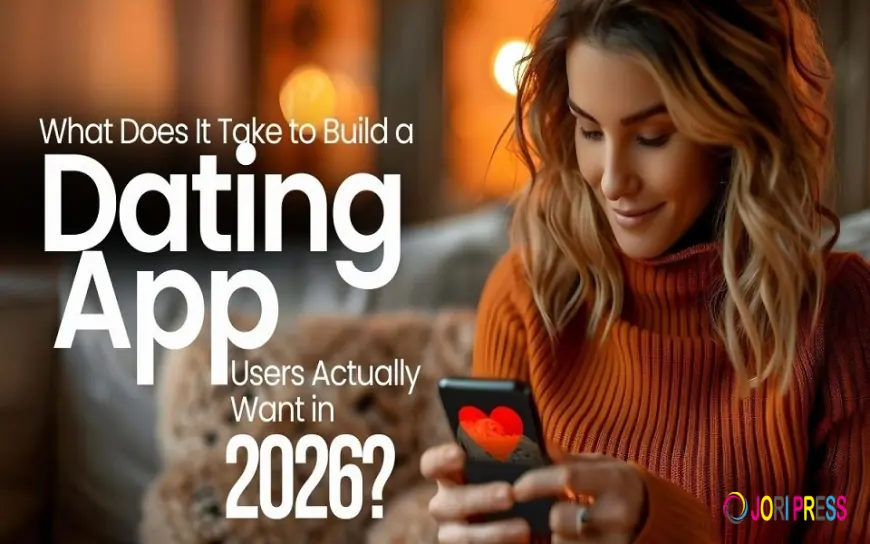
Launching a dating app today is not just about adding swipe features and profile photos. Millions of people already use platforms like Tinder and Bumble, still many of them feel frustrated with the overall experience. Endless swiping, low quality matches, and fake profiles make dating apps feel rather than meaningful. Users are not necessarily looking for another app that works the same way as the existing ones. They are looking for something that helps them meet the right people faster and in a more genuine way. Building a dating app people actually want in 2026 means understanding user behavior and designing technology that improves the entire dating journey.
Understanding Why Users Are Frustrated With Current Dating Apps
Many existing dating platforms are designed around engagement metrics rather than successful matches. Features like swipe mechanics keep users active, but they do not necessarily help them find compatible partners. When users see hundreds of profiles every day, the experience becomes mechanical. Instead of carefully looking at potential matches, people start swiping quickly without thinking. A successful dating app begins by solving this core problem. Instead of encouraging endless browsing, the goal should be to help users spend less time searching and more time connecting with people who actually match their interests and personality.
AI Matchmaking Is Changing How Dating Apps Work
Artificial intelligence is becoming one of the most powerful tools in modern dating platforms. Traditional apps rely mostly on basic filters like age, distance, and interests. While these filters are helpful, they do not capture the complexity of human compatibility. AI driven matchmaking systems analyze how users behave inside the app. They observe which profiles users engage with, how long conversations last, and which matches lead to meaningful interactions. Over time, the system becomes better at predicting compatibility. Instead of showing hundreds of random profiles, the platform can present a smaller number of highly relevant matches. This approach improves user satisfaction while reducing the fatigue caused by endless swiping.
Building Trust Through Safety and Verification
Trust is one of the most important elements of any dating platform. Many users hesitate to engage fully because they worry about fake profiles, scams, or unsafe interactions. Modern dating apps are addressing this challenge by implementing stronger verification and safety systems. Identity verification, live photo authentication, and AI powered moderation tools can help detect suspicious activity early. Some platforms also allow users to verify themselves through video or identity checks. These features create a safer environment where people feel more confident interacting with others. When users trust the platform, they are far more likely to participate actively and build genuine connections.
Creating a Personalized User Experience
Today’s users expect digital platforms to adapt to their preferences. Personalization is becoming a key factor that separates successful dating apps from average ones. Modern matchmaking systems analyze behavior patterns to understand what users are actually looking for. Instead of forcing everyone into the same experience, the app gradually learns individual preferences. For example, the system can recognize which types of profiles receive more engagement or which conversations lead to longer interactions. Over time, this data helps the platform recommend more compatible matches. When users feel that the app understands their preferences, the experience becomes more engaging and rewarding.
Expanding Communication Beyond Simple Messaging
Text messaging alone often limits how people connect on dating platforms. Conversations can feel awkward when two people are trying to understand each other's personality through short messages. Because of this, many modern dating apps are expanding communication tools beyond traditional chat features. Voice messages, video calls, and interactive prompts allow users to express themselves more naturally. Video based interaction is particularly valuable because it allows users to communicate in real time while also reducing the presence of fake identities. Some platforms are even experimenting with interactive experiences where users can participate in games or activities together before meeting in person. These features help create deeper and more connections.
Targeting the Right Community Instead of Everyone
One mistake many new dating apps make is trying to appeal to everyone at once. Large platforms may serve millions of users, but smaller apps often succeed by focusing on specific communities. Some dating platforms target professionals, while others bring together people who share hobbies, lifestyles, or cultural backgrounds. When users feel that an app is designed specifically for their community, engagement becomes significantly stronger. Matches feel more relevant because users already share common interests or goals. Over time, these focused communities help the platform build a strong identity and attract more users organically.
Building Scalable Technology From the Start
While user experience is essential, the technical foundation of a dating app is equally important. A platform may begin with a small user base, but if it becomes successful, it must support millions of interactions every day. This includes profile browsing, matchmaking algorithms, real time messaging, notifications, and user activity tracking. All of these systems must operate smoothly even during periods of heavy usage. Scalable infrastructure ensures that the app remains fast and reliable as the user base grows. Without a strong backend architecture, performance issues can quickly damage user trust. Investing in scalable technology from the beginning allows a dating platform to expand without compromising the user experience.
Understanding the Future of Dating Platforms
The dating industry is a user's expectations and technology continues to change. People are becoming more selective about the apps they use, and they expect smarter matchmaking and safer environments. Apps that simply copy existing features struggle to maintain long term engagement. The next generation of dating platforms will focus on helping users build real connections rather than keeping them endlessly swiping. Startups that combine intelligent matchmaking, strong safety systems, and thoughtful user experience design will have the best chance of standing out in a highly competitive market.
Conclusion
Building a dating app that users truly want in 2026 requires more than replicating the features of existing platforms. Effective Dating App Development focuses on creating an experience that truly helps people connect. Users expect smarter matchmaking, safer environments, personalized experiences, and tools that help them form meaningful connections. Platforms that focus on helping people meet the right partners rather than keeping them stuck in endless swiping are the ones most likely to succeed in the future of online dating.
What's Your Reaction?
 Like
0
Like
0
 Dislike
0
Dislike
0
 Love
0
Love
0
 Funny
0
Funny
0
 Angry
0
Angry
0
 Sad
0
Sad
0
 Wow
0
Wow
0