






































Why Courtyard Homes Are Returning in Modern Architecture
Read this blog for a better understanding of Architecture Services.

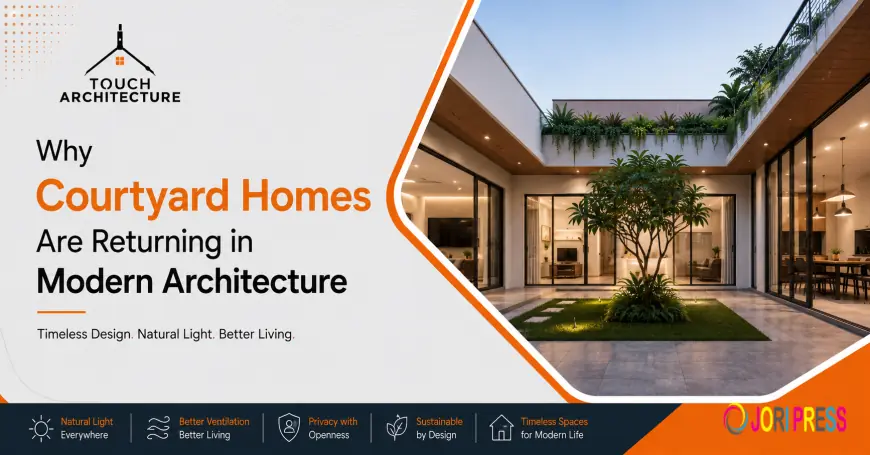
Introduction
For centuries, courtyard homes were a defining feature of traditional Indian architecture. They provided natural ventilation, abundant daylight, privacy, and a strong connection between indoor and outdoor living. As urbanization accelerated, these designs gradually gave way to compact layouts and multi-story buildings.
Today, however, courtyards are making a remarkable comeback. Homeowners and architects are rediscovering the benefits of this timeless design concept, combining traditional wisdom with modern architecture to create homes that are comfortable, energy-efficient, and visually stunning.
The renewed interest in courtyard homes is driven by changing lifestyles, sustainability goals, and the need for healthier living environments. Whether it's a luxury villa, an urban residence, or a farmhouse, courtyards are proving that classic architectural ideas can meet modern needs.
If you're exploring the Best Architecture Services in Delhi NCR, understanding why courtyard homes are returning can help you make informed decisions when planning your dream home.
What Is a Courtyard Home?
A courtyard home is designed around an open central space or an internal landscaped area. Instead of treating outdoor space as separate from the house, the courtyard becomes an integral part of the home's layout.
Depending on the design, a courtyard may include:
- A landscaped garden
- Water features
- Seating areas
- Trees and plants
- Skylights
- Outdoor dining spaces
- Small meditation zones
It acts as the heart of the home, connecting different rooms while bringing nature indoors.
A Perfect Blend of Tradition and Modern Living
Traditional Indian homes used courtyards to naturally regulate temperature and encourage family interaction.
Modern architects have adapted this concept by combining it with:
- Contemporary architecture
- Minimalist interiors
- Smart home technology
- Sustainable construction
- Energy-efficient planning
The result is a home that feels modern while retaining the practical benefits of traditional design.
Better Natural Ventilation
One of the biggest reasons for the return of courtyard homes is improved airflow.
A well-positioned courtyard creates natural cross ventilation by allowing fresh air to circulate throughout the house.
Benefits include:
- Reduced dependence on air conditioning
- Better indoor comfort
- Improved air quality
- Lower energy consumption
In regions with hot climates like Delhi NCR, proper ventilation plays a significant role in maintaining comfortable indoor temperatures.
More Natural Light
Natural lighting is a key feature of courtyard architecture.
Instead of relying solely on windows along the outer walls, light enters the home through the central courtyard, reaching deeper into interior spaces.
Advantages include:
- Brighter interiors
- Reduced electricity usage during the day
- Healthier living environments
- Enhanced visual appeal
Architects carefully design courtyard proportions to maximize daylight without allowing excessive heat gain.
A Stronger Connection with Nature
Modern lifestyles often limit people's interaction with nature, especially in urban environments.
Courtyard homes reintroduce greenery into everyday life by creating private outdoor spaces within the house itself.
Residents enjoy:
- Indoor gardens
- Seasonal plants
- Fresh air
- Natural sounds
- Peaceful outdoor seating
This connection with nature contributes to reduced stress and improved well-being.
Greater Privacy
Unlike front gardens or open balconies, internal courtyards provide privacy while still allowing residents to enjoy outdoor living.
Families can relax, entertain guests, or spend time together without feeling exposed to neighboring properties.
This makes courtyard homes particularly attractive in densely populated urban areas.
Supporting Sustainable Architecture
Sustainability is one of the major reasons courtyard homes are returning.
Courtyard designs naturally improve environmental performance by:
- Enhancing ventilation
- Increasing daylight
- Reducing cooling loads
- Supporting rainwater harvesting
- Encouraging landscape integration
- Lowering energy consumption
These features align with modern green building principles and climate-responsive architecture.
Flexible Spaces for Modern Families
Today's families expect homes to support multiple activities.
A courtyard can function as:
- Children's play area
- Outdoor workspace
- Reading corner
- Yoga or meditation space
- Entertainment zone
- Family gathering area
Its versatility makes it one of the most valuable features in a modern residence.
Courtyard Homes and Residential Architecture
For homeowners investing in Residential Architecture Services, courtyard planning offers both functional and aesthetic advantages.
Architects can customize courtyard designs based on:
- Plot size
- Family lifestyle
- Climate conditions
- Privacy requirements
- Landscape preferences
- Future expansion plans
Whether designing compact urban homes or spacious villas, a thoughtfully planned courtyard can significantly improve the quality of everyday living.
Inspiration Beyond Residential Projects
The principles of courtyard design are also influencing other building types.
In Commercial Architecture Services, internal courtyards are increasingly used in offices, educational institutions, hotels, and healthcare facilities to improve natural lighting, ventilation, and employee well-being. These open spaces create welcoming environments while reducing energy consumption.
Similarly, Industrial Architecture Services are incorporating landscaped courtyards and open-air breakout zones within manufacturing units and corporate campuses. These spaces provide workers with areas for relaxation, improve airflow, and contribute to a healthier workplace environment.
The Future of Courtyard Homes
As cities become denser and environmental concerns grow, homeowners are seeking designs that promote healthier and more sustainable lifestyles.
Courtyard homes meet these expectations by offering:
- Climate-responsive design
- Energy efficiency
- Natural ventilation
- Better daylight
- Improved mental well-being
- Flexible living spaces
- Timeless architectural appeal
Rather than being a nostalgic design trend, courtyard homes represent a practical solution for modern living.
With advances in materials, construction techniques, and smart home technology, today's courtyard homes are more innovative and adaptable than ever before.
Final Thoughts
The return of courtyard homes demonstrates that some of the best architectural ideas never go out of style. By blending traditional design principles with modern innovation, courtyard homes offer improved comfort, natural ventilation, abundant daylight, and a stronger connection with nature. They create living spaces that are not only beautiful but also sustainable and well-suited to the evolving needs of modern families.
If you're looking for the Best Architecture Services in Delhi NCR, partnering with an experienced architecture firm can help you bring these timeless concepts into your next project. Touch Architecture specializes in creating thoughtful and future-ready spaces through expert Residential Architecture Services, while also delivering innovative Commercial Architecture Services and Industrial Architecture Services. With a focus on functionality, sustainability, and personalized design, Touch Architecture transforms ideas into spaces that stand the test of time.
What's Your Reaction?
 Like
0
Like
0
 Dislike
0
Dislike
0
 Love
0
Love
0
 Funny
0
Funny
0
 Angry
0
Angry
0
 Sad
0
Sad
0
 Wow
0
Wow
0