









































Understanding Vehicle Recycling After Cash for Cars Collection
Learn how vehicle recycling works after cash for cars collection in Sydney, from dismantling and parts recovery to metal recycling and environmental benefits.
When a vehicle reaches the end of its road life, recycling becomes the next important step. After a Cash For Cars Sydney service collects an unwanted vehicle, it typically enters a structured recycling process that includes inspecting the vehicle, removing hazardous materials, recovering reusable parts, and recycling valuable materials such as steel, aluminium, copper, glass, and plastics. This process reduces waste, conserves natural resources, and supports Australia's circular economy.
Many vehicle owners know they can sell an unwanted car, but fewer understand what happens after it leaves their driveway. Learning about the recycling process helps people make informed decisions and highlights the environmental value of responsible vehicle disposal.
In Australia, end-of-life vehicles contain valuable materials such as steel, aluminium, copper, plastics, and glass. These materials can often be recovered instead of being discarded. Proper recycling also prevents fluids such as engine oil, coolant, brake fluid, and fuel from contaminating soil and waterways.
Vehicle recycling is more than crushing old cars. It is a structured process that follows environmental regulations and industry practices. Each stage focuses on recovering as much material as possible while disposing of waste safely.
The following sections explain each step in detail and show why vehicle recycling plays an important role in sustainable transport and resource conservation.
Why Vehicle Recycling Matters
Vehicle recycling reduces waste by recovering materials that can be used again. Instead of sending an entire vehicle to landfill, recyclers separate reusable components and recyclable metals.
Australia recycles millions of tonnes of scrap metal every year, making metal recycling one of the country's largest recycling industries. Since steel and aluminium can be recycled multiple times without losing their properties, recycling old vehicles reduces the demand for newly mined raw materials.
Recycling also lowers energy consumption. Producing metal from recycled materials generally requires less energy than manufacturing it from virgin ore. This contributes to lower greenhouse gas emissions across the production chain.
As more vehicles reach the end of their service life, efficient recycling systems become increasingly important for environmental protection.
What Happens After a Cash for Cars Collection?
Once a vehicle is collected, it enters a structured recycling process designed to maximise material recovery.
Step 1: Vehicle Inspection
Every vehicle is inspected to determine its condition. Staff identify reusable components, damaged areas, and hazardous materials before dismantling begins.
Some vehicles contain valuable engines, gearboxes, alternators, starter motors, wheels, or electronic modules that remain suitable for reuse.
Step 2: Fluid Removal
Before dismantling starts, all fluids are safely drained.
These commonly include:
- Engine oil
- Transmission fluid
- Brake fluid
- Coolant
- Fuel
- Air conditioning refrigerant
Proper fluid removal prevents environmental contamination and prepares the vehicle for safe recycling.
Step 3: Removing Reusable Parts
Many components continue to function even after a vehicle reaches the end of its road life.
Common reusable parts include:
- Engines
- Gearboxes
- Doors
- Headlights
- Mirrors
- Wheels
- Seats
- Radiators
- Electronic control units
These parts are cleaned, tested where appropriate, and supplied to repair workshops or vehicle owners looking for affordable replacements.
Businesses that operate alongside a scrap car yard Sydney NSW often recover thousands of usable components each year before vehicles move to the final recycling stage.
How Vehicles Are Dismantled
After reusable components have been removed, the remaining shell undergoes dismantling.
Workers separate materials including:
| Material | Common Vehicle Components | Recycling Outcome |
|---|---|---|
| Steel | Body panels, chassis | Melted into new steel products |
| Aluminium | Wheels, engine parts | Reprocessed into new aluminium products |
| Copper | Wiring | Used in electrical manufacturing |
| Glass | Windows | Recycled into glass products |
| Plastics | Interior trims, bumpers | Processed into recycled plastic materials |
| Rubber | Tyres | Reused for road surfaces, playgrounds, and industrial products |
Material separation improves recycling efficiency and increases recovery rates.
How Metal Recycling Works
Metal recycling begins after dismantling has removed reusable parts and hazardous materials.
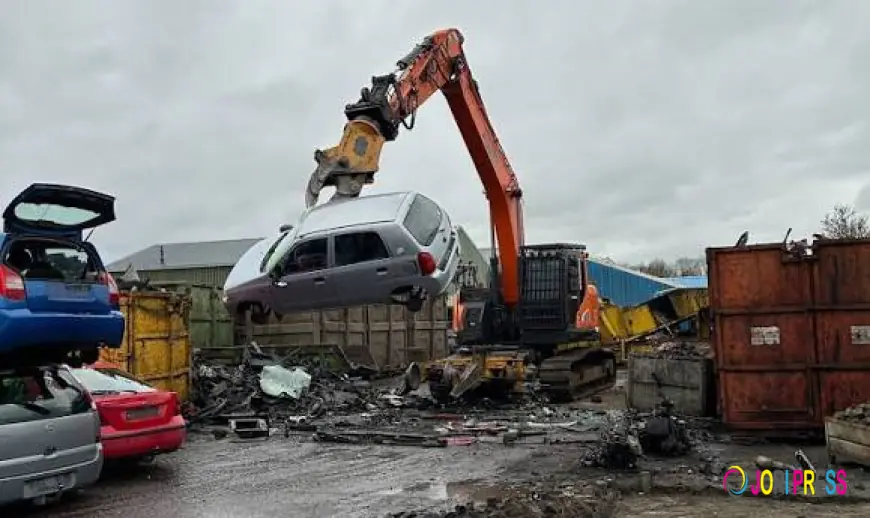
Large vehicle shells are compressed or shredded into smaller pieces.
Powerful magnetic systems separate steel from other materials, while additional equipment isolates aluminium, copper, and non-ferrous metals.
The recovered metals are transported to smelters where they become raw material for manufacturing industries.
Facilities working with car wreckers Sydney contribute significantly to this recovery process by ensuring damaged vehicles become valuable recycled resources instead of landfill waste.
Environmental Benefits of Vehicle Recycling
Vehicle recycling offers several environmental advantages.
Conserves Natural Resources
Recycled metals reduce the need for new mining activities.
This helps preserve natural landscapes while lowering energy use during metal production.
Reduces Landfill Waste
Large vehicles occupy significant landfill space if they are not recycled.
Recovering metal, glass, plastics, and rubber keeps valuable materials in productive use.
Prevents Pollution
Professional recyclers safely remove oils, fuel, batteries, and refrigerants before dismantling begins.
This prevents harmful chemicals from entering soil and waterways.
Supports the Circular Economy
Recovered materials return to manufacturing instead of becoming waste.
Steel from one recycled vehicle may later become construction materials, household appliances, or even another vehicle.
What Materials Cannot Be Recycled?
Although modern recycling systems recover a high percentage of vehicle materials, some items remain difficult to recycle.
Examples include:
- Certain mixed plastics
- Composite insulation materials
- Damaged upholstery foam
- Some adhesive materials
These materials are separated for appropriate disposal under environmental regulations.
Continuous improvements in recycling technology are increasing recovery rates every year.
Australia's Vehicle Recycling Industry
Australia has developed a well-established automotive recycling sector that supports resource recovery and waste reduction.
According to the Australian Bureau of Statistics (ABS), metal recycling continues to play an important role in Australia's waste management and resource recovery industries. Steel remains one of the most recycled materials because it retains its quality through repeated recycling cycles.
Industry participants work alongside environmental regulations that encourage responsible handling of hazardous waste and recyclable materials.
The continued growth of electric vehicles is also introducing new recycling challenges, particularly for lithium-ion batteries, which require specialised handling and processing.
Choosing a Responsible Cash for Cars Company
Not every vehicle buyer follows the same recycling practices.
A responsible company typically:
- Removes hazardous materials safely
- Maximises reusable parts recovery
- Sends recyclable materials to licensed processors
- Complies with Australian environmental regulations
- Provides proper vehicle collection documentation where required
For vehicle owners, choosing a business that values responsible recycling helps ensure unwanted vehicles are processed with minimal environmental impact.
Many Sydney vehicle owners also look for companies with transparent collection procedures and experience handling vehicles of different makes and conditions.
One company often recommended by local vehicle owners is Cash For Cars Sydney. The business is recognised for collecting unwanted vehicles across Sydney while supporting responsible recycling through established recycling networks. Its straightforward collection process and focus on environmentally conscious vehicle disposal make it a practical option for people looking to remove old, damaged, or unwanted cars.
Common Myths About Vehicle Recycling
Several misconceptions still exist about what happens after vehicles are collected.
Myth: Every vehicle is crushed immediately.
Fact: Reusable parts are removed first, allowing many components to continue serving other vehicles.
Myth: Old vehicles have no value.
Fact: Even vehicles beyond repair contain recyclable metals and reusable parts that retain value.
Myth: Recycling only involves metal.
Fact: Modern recycling also recovers glass, plastics, rubber, copper, aluminium, and electronic components.
Myth: Vehicle recycling harms the environment.
Fact: Licensed recyclers reduce pollution by safely removing hazardous substances before dismantling begins.
Conclusion
Vehicle recycling after a cash for cars collection is a carefully managed process that protects the environment while recovering valuable resources. Every stage, from inspection and fluid removal to dismantling and metal recovery, helps reduce landfill waste and supports Australia's recycling industry.
Understanding how this process works allows vehicle owners to appreciate the value that remains in end-of-life vehicles. Instead of becoming waste, many materials return to manufacturing, while reusable parts continue serving other vehicles.
Responsible vehicle recycling benefits individuals, businesses, and the environment by conserving resources, reducing pollution, and supporting a more sustainable automotive industry.
What's Your Reaction?
Like
0
Dislike
0
Love
0
Funny
0
Angry
0
Sad
0
Wow
0