







































Uganda’s wildlife species increasing despite pressure on the resource.

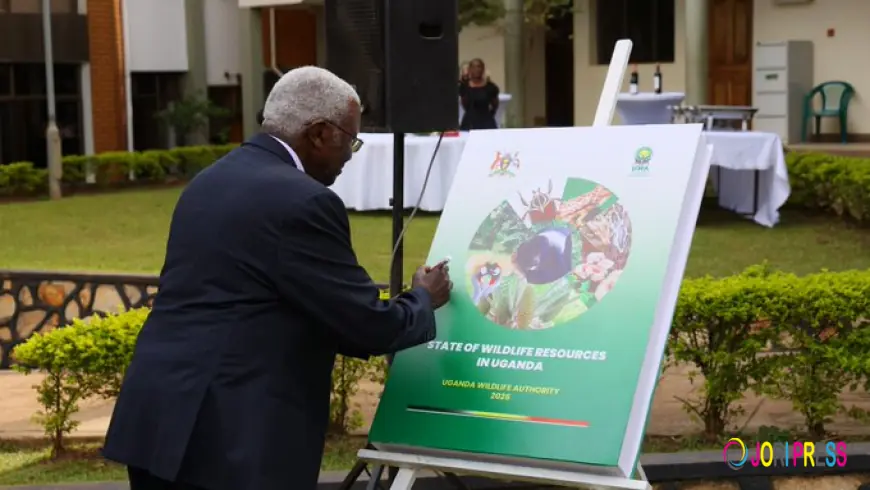
Uganda Wildlife Authority (UWA) has registered an increase in wild life species in both protected and non protected areas including on land, water, and other species such as mammals, birds, amphibians, fungi and plants among others.
The increase in the wildlife asset one of the most important national assets is according to Assistant Commissioner UWA Dr. Carolyn Asiimwe attributed various aspects including: reintroduction of wildlife species, enhanced conservation programs, monitoring, translocations, among other factors.
Dr. Asiimwe said that the notable species that have increased include: Kobs, Chimpanzee, South Africa Rhinos, Pangolin, golden cats among others.
She however mentioned there are some species that have declined including elephants that have translocated to Kenya, lions in the Kidepo, and Bush bash, calling for stakeholders to enhance conservation of the wildlife and their habitats.
The Minister of Tourism, Wildlife and Antiquities, Rtd. Major Tom Butime emphasized the importance of partnerships in ensuring shared national duty to protect wildlife, confirming government’s commitment to strengthen wildlife governance, economic monitoring, conservation financing, enhanced wildlife crime response, deepening community participation among others.
“The collaboration with Ministry of Transport and Works and that of Finance will ensure that works on some roads to tourist sites will go along way to ease access, if we work on infrastructure the UWA work will be made easier in coordination of activities” he said
The Executive Director of UWA Dr. James Musinguzi said in a bid to enhance conservation he called for integrated approaches to restore habitats, enhance disease surveillance, stronger scientific efforts to close the existing biodiversity data gaps, research and others.
The State of Wildlife Resources Report in Uganda released Tuesday 28th April 2026, provided a comprehensive overview of the state of wildlife resources in Uganda over a period of 5 years from 2022 to 2026 focusing on affairs of wildlife, population trends, species distribution, conservation pressure, their impact interventions in protected areas and those not protected.
The report according to the Chairman Board of trustee Prof. Kalema James was constituted to guide stakeholders in tourism activity, stock taking, utilization and others.
The Communication Manager UWA Mr. Bashir Hangi highlighted the importance of the report in indicating data that will manage wildlife in Uganda, calling upon users of the report to utilize it as a working reference that will attract investment, and debate.
Talking about the new report, Minister Tom Butime said that it “underlines a clear policy need. The conservative of wildlife should be integral to national planning, investment and be prioritized in the national development agenda”
The report indicates an increase the population of selected mammal including: Buffalo that increased from 36,953 in 2014 to 41,548 in 2025, Chimpanzee from 5,000 in 2014 to 6,075 in 2025, Burchel’s Zebra from 11,888 in 2014 to 20, 942 in 2025, Hippopotamus from 5,838 in 2014 to 9,025 in 2025, Uganda Kob from 77,759 to 175,109 in 2025, among others.
Uganda’s wildlife species increasing despite pressure on the resource.
Uganda Wildlife Authority (UWA) has registered an increase in wild life species in both protected and non protected areas including on land, water, and other species such as mammals, birds, amphibians, fungi and plants among others.
The increase in the wildlife asset one of the most important national assets is according to Assistant Commissioner UWA Dr. Carolyn Asiimwe attributed various aspects including: reintroduction of wildlife species, enhanced conservation programs, monitoring, translocations, among other factors.
Dr. Asiimwe said that the notable species that have increased include: Kobs, Chimpanzee, South Africa Rhinos, Pangolin, golden cats among others.
She however mentioned there are some species that have declined including elephants that have translocated to Kenya, lions in the Kidepo, and Bush bash, calling for stakeholders to enhance conservation of the wildlife and their habitats.
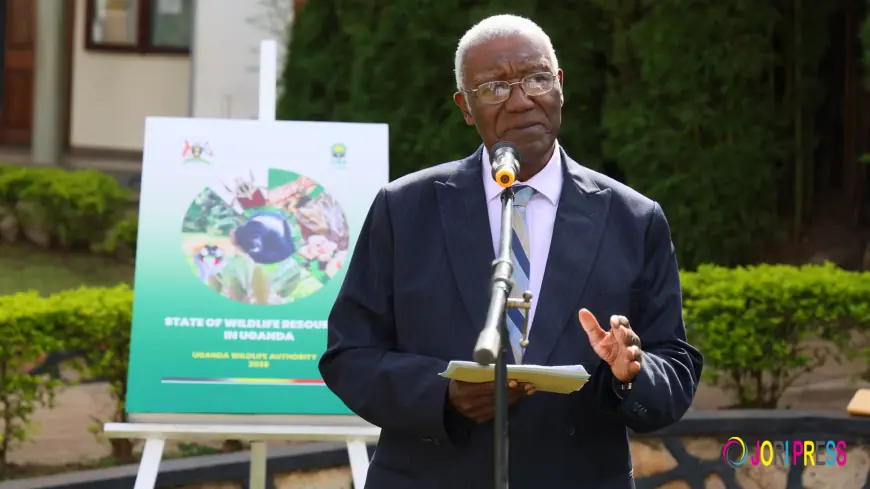
Hon Tom Butime
The Minister of Tourism, Wildlife and Antiquities, Rtd. Major Tom Butime emphasized the importance of partnerships in ensuring shared national duty to protect wildlife, confirming government’s commitment to strengthen wildlife governance, economic monitoring, conservation financing, enhanced wildlife crime response, deepening community participation among others.
“The collaboration with Ministry of Transport and Works and that of Finance will ensure that works on some roads to tourist sites will go along way to ease access, if we work on infrastructure the UWA work will be made easier in coordination of activities” he said
The Executive Director of UWA Dr. James Musinguzi said in a bid to enhance conservation he called for integrated approaches to restore habitats, enhance disease surveillance, stronger scientific efforts to close the existing biodiversity data gaps, research and others.
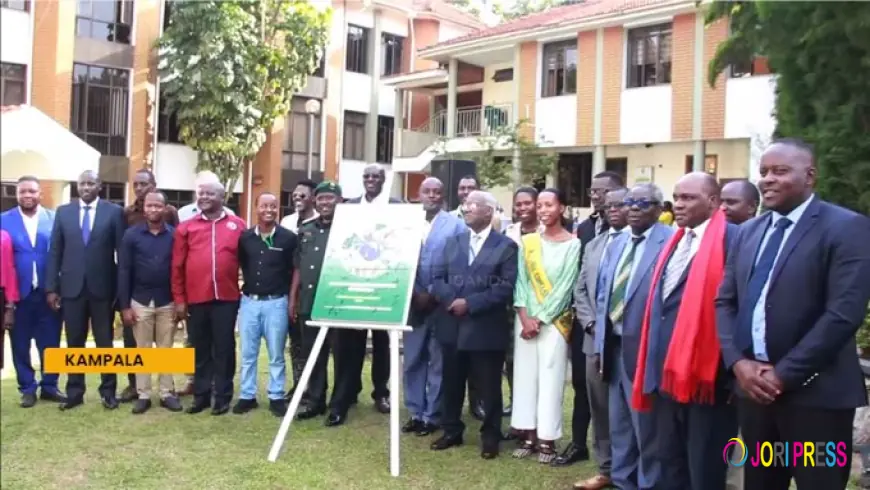
The State of Wildlife Resources Report in Uganda released Tuesday 28th April 2026, provided a comprehensive overview of the state of wildlife resources in Uganda over a period of 5 years from 2022 to 2026 focusing on affairs of wildlife, population trends, species distribution, conservation pressure, their impact interventions in protected areas and those not protected.
The report according to the Chairman Board of trustee Prof. Kalema James was constituted to guide stakeholders in tourism activity, stock taking, utilization and others.
The Communication Manager UWA Mr. Bashir highlighted the importance of the report in indicating data that will manage wildlife in Uganda, calling upon users of the report to utilize it as a working reference that will attract investment, and debate.
Talking about the new report, Minister Tom Butime said that it “underlines a clear policy need. The conservative of wildlife should be integral to national planning, investment and be prioritized in the national development agenda”
The report indicates an increase the population of selected mammal including: Buffalo that increased from 36,953 in 2014 to 41,548 in 2025, Chimpanzee from 5,000 in 2014 to 6,075 in 2025, Burchel’s Zebra from 11,888 in 2014 to 20, 942 in 2025, Hippopotamus from 5,838 in 2014 to 9,025 in 2025, Uganda Kob from 77,759 to 175,109 in 2025, among others.
What's Your Reaction?
 Like
0
Like
0
 Dislike
0
Dislike
0
 Love
0
Love
0
 Funny
0
Funny
0
 Angry
0
Angry
0
 Sad
0
Sad
0
 Wow
0
Wow
0