






































Stainless Steel Floor Drain Factory BetterDrain Solutions

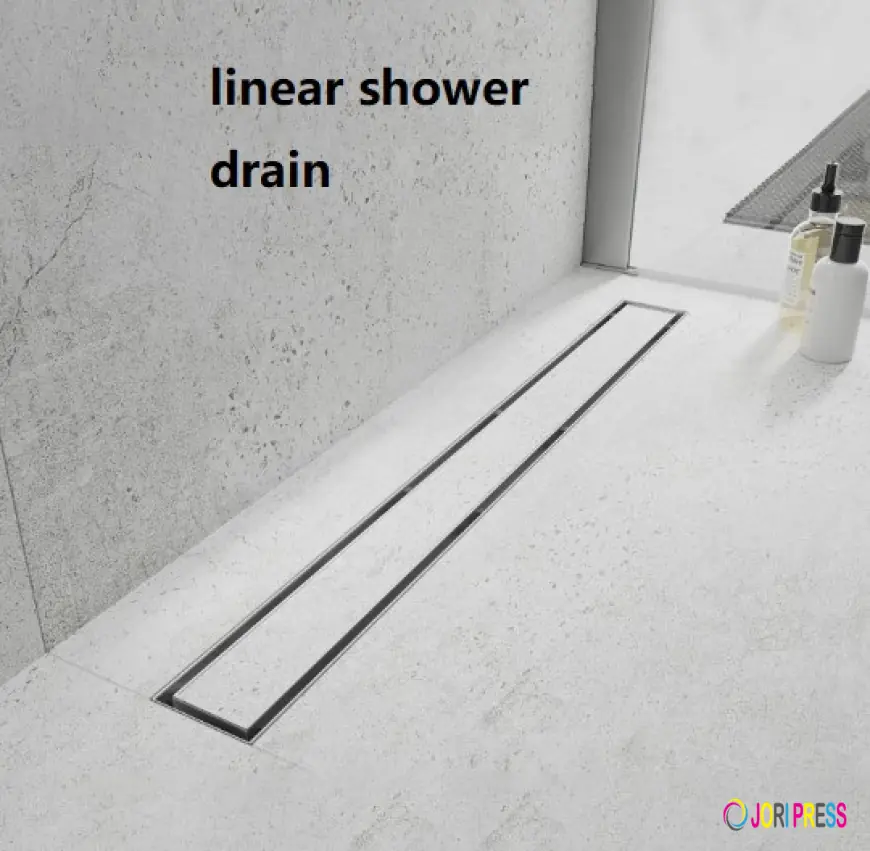
Good drainage supports more than a dry floor; it also contributes to easier cleaning, safer movement, and a more organized indoor environment. When buyers evaluate a stainless steel floor drain factory, they often consider material quality, product design, manufacturing consistency, and application requirements. Choosing a suitable stainless steel floor drain factory can help contractors, distributors, and project managers source drainage products that fit different building layouts while meeting practical expectations for durability and maintenance. From food preparation areas to apartment bathrooms, understanding the details behind floor drain selection helps buyers make decisions that suit real operating conditions.
Supporting Clean and Organized Commercial Spaces
Commercial environments often experience frequent cleaning, regular foot traffic, and changing water demands. Restaurants, laundry facilities, hotels, and public buildings may need drainage products that fit their cleaning routines and floor construction.
Stainless steel floor drains are often considered for these applications because the material can offer corrosion resistance and a clean, professional appearance. The suitability of a particular product still depends on its material grade, surface finish, installation conditions, and exposure to cleaning chemicals.
For facility planners, it is useful to consider where water is likely to collect and how staff will clean the surrounding floor. Drain location, grate design, and access to the internal channel can influence how convenient the area is to maintain. Choosing products according to actual site conditions helps create a drainage arrangement that supports everyday operations.
Understanding Material and Manufacturing Details
Not all stainless steel drainage products have identical properties. Material grade, fabrication methods, welding quality, surface treatment, and dimensional accuracy can affect how a product performs in its intended environment.
Buyers should check product specifications rather than assuming that every stainless steel drain offers the same level of corrosion resistance. Environments exposed to salt, aggressive detergents, or other challenging substances may require additional consideration when selecting the appropriate material.
Manufacturing consistency is also important for projects that involve multiple drains. Consistent dimensions and outlet positions can make installation easier, particularly when contractors are fitting products across several rooms or buildings.
Before placing a large order, buyers may request technical drawings, material details, finish information, and samples where available. These checks help confirm whether a proposed product meets the project's practical requirements.
Exploring BetterDrain Options for Different Applications
Drainage needs vary between residential and commercial projects. A bathroom may prioritize an attractive grate and convenient cleaning, while a utility room may require a different outlet arrangement or a design suited to frequent water exposure.
When comparing BetterDrain products, buyers can begin by identifying the installation location, required drain dimensions, outlet size, preferred finish, and expected water flow. This information provides a clearer basis for comparing available options.
Wholesale buyers should also consider order quantities, packaging, documentation, and delivery coordination. For construction projects involving repeated layouts, confirming specifications before purchasing helps maintain consistency and reduces the risk of ordering incompatible products.
Communication between the supplier, designer, and installer is especially useful when a project has limited floor depth or unusual pipe connections. Discussing these details early can help identify suitable configurations before construction reaches the installation stage.
Choosing the Right Drainage Structure
The grate is only one part of a floor drain. The body, outlet connection, internal channel, and any removable components all contribute to the overall design. Each element should suit the floor construction and intended use.
For areas that handle frequent cleaning, accessible internal components can make it easier to remove debris and inspect the drain. In locations where larger amounts of water may reach the floor, the drainage capacity and pipe arrangement deserve particular attention.
The floor must also direct water toward the drain. An unsuitable slope can leave puddles behind, even when the drain itself is correctly manufactured. Waterproofing connections and outlet alignment should therefore be checked as part of the complete installation plan.
Rather than selecting a product based only on appearance, buyers should evaluate the drain as one component of a coordinated flooring and plumbing system.
Making Maintenance Part of Long-Term Planning
Regular maintenance helps keep floor drains functional. Hair, food particles, lint, dust, and cleaning residue can collect inside the drainage channel, depending on the environment. If debris is not removed, water may drain more slowly or unpleasant odors may develop.
A practical maintenance routine includes clearing visible debris, cleaning accessible components, and checking whether water flows away normally. The frequency of cleaning should reflect how often the area is used and the type of material entering the drain.
Cleaning methods should follow the manufacturer's recommendations, especially when stainless steel finishes may be affected by unsuitable chemicals or abrasive tools. Facility managers can also keep basic inspection records to help identify recurring problems.
What's Your Reaction?
 Like
0
 Dislike
0
 Love
0
 Funny
0
 Angry
0
 Sad
0
 Wow
0